Glycemic Index Explained Simply
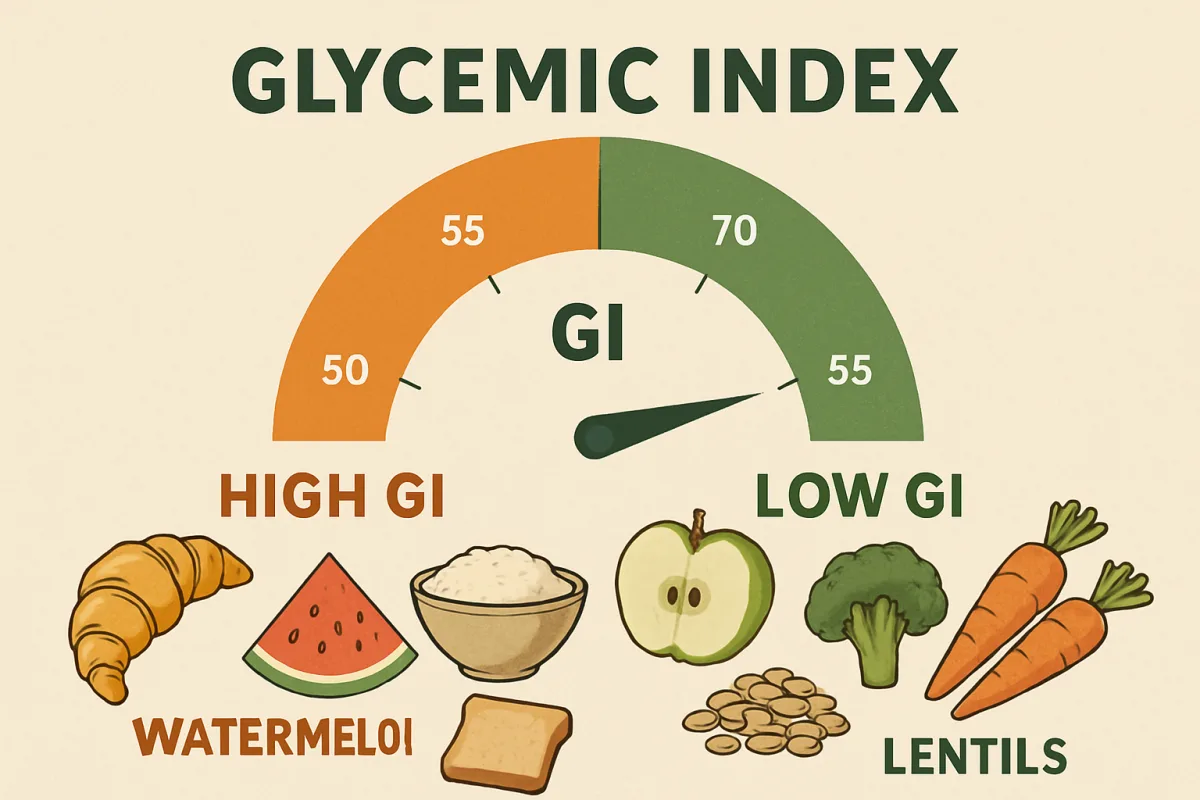
The glycemic index (GI) is a ranking of carbohydrates in foods according to how they affect blood glucose levels. Foods with a high GI are rapidly digested and absorbed, causing a quick spike in blood sugar. Conversely, low GI foods are digested more slowly, leading to a gradual rise in blood glucose. Understanding the glycemic index can help individuals manage their blood sugar levels, which is particularly important for those with diabetes or insulin resistance.
Quick Summary
The glycemic index (GI) measures how quickly foods raise blood sugar levels. High GI foods cause rapid spikes, while low GI foods lead to gradual increases. This knowledge is crucial for managing blood sugar, especially for those with diabetes.
Curator Notes
The glycemic index (GI) is a valuable tool for understanding how different carbohydrates affect blood sugar levels. Foods are classified on a scale from 0 to 100, with pure glucose assigned a value of 100. High GI foods, such as white bread and sugary snacks, are quickly digested and can lead to rapid increases in blood glucose.
This can be detrimental for individuals with diabetes or insulin resistance, as it may result in unstable blood sugar levels. In contrast, low GI foods, such as whole grains, legumes, and most fruits, are digested more slowly, resulting in a gradual rise in blood glucose. This slower digestion can help maintain stable energy levels and reduce the risk of overeating.
Understanding the GI of foods can empower individuals to make healthier dietary choices, ultimately aiding in better blood sugar management and overall health.
Best Sources
Videos and Community Signals
Tonnes of diets out there recommend eating low GI foods, but what exactly is the glycemic index? Subscribe to Nourishable at ...
The glycemic index and the glycemic load: what they are, how they are calculated, and how they can be used to lower blood ...
Comparison
| Decision Point | Good Starting Choice | When to Go Further |
|---|---|---|
| Understanding GI Levels | Focus on low GI foods for stable blood sugar. | Incorporate a mix of low and moderate GI foods for balanced energy. |
| Meal Planning | Plan meals around low GI options. | Combine low and moderate GI foods for variety and nutrition. |
FAQ
The glycemic index (GI) is a ranking of carbohydrates based on their effect on blood sugar levels.
Understanding the GI helps individuals manage blood sugar levels, especially those with diabetes.