Gas Fees on Ethereum Explained
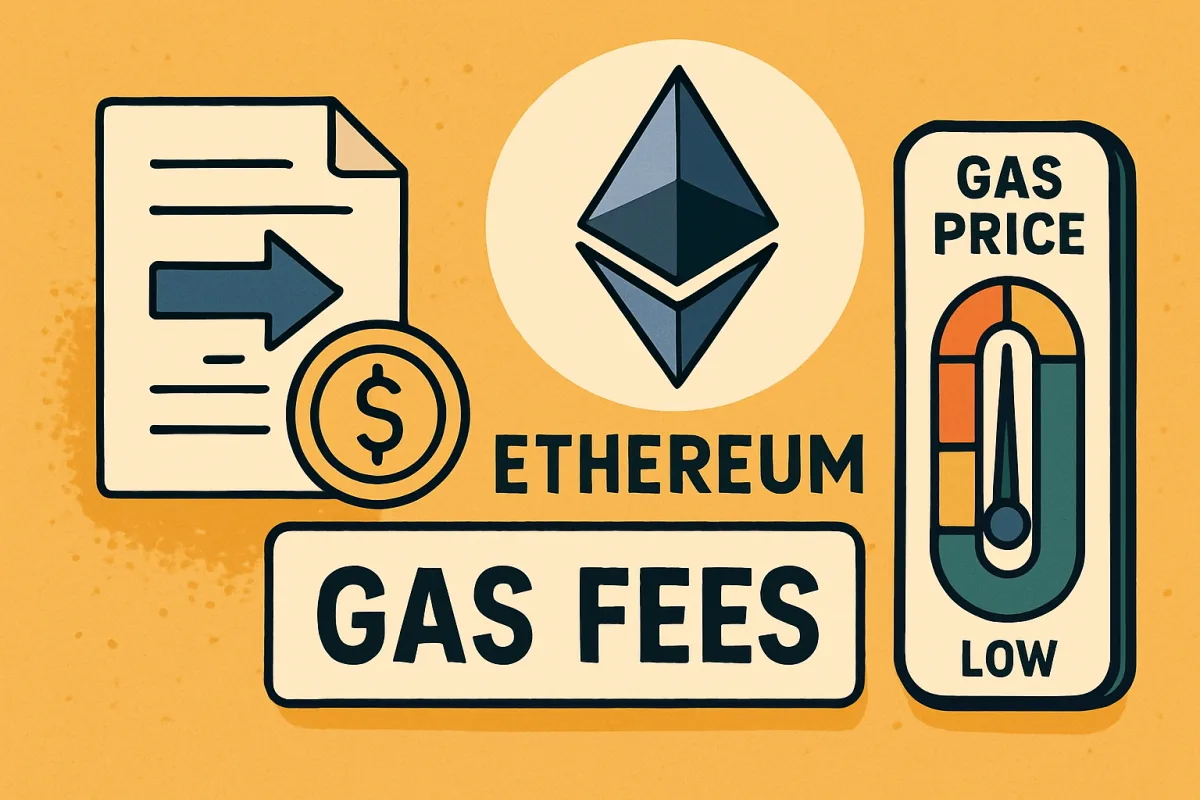
Gas fees on Ethereum are the costs incurred for processing transactions on the Ethereum blockchain. Measured in Gwei, these fees can vary significantly based on network demand. Understanding gas fees is essential for Ethereum users, as they directly impact transaction speed and overall costs. Users should monitor gas prices to optimize their transactions and avoid excessive fees.
Quick Summary
Gas fees on Ethereum are crucial for transaction processing, fluctuating based on network congestion and measured in Gwei. Users must be aware of these fees to manage costs effectively.
Curator Notes
Gas fees are a fundamental aspect of the Ethereum blockchain, representing the cost of executing transactions and smart contracts. These fees are denominated in Gwei, a subunit of Ether (ETH), and can fluctuate dramatically based on network congestion. When the network is busy, gas prices rise, leading to higher transaction costs.
Conversely, during quieter times, fees may decrease, making it more economical to process transactions. Understanding how gas fees work is vital for Ethereum users. Each transaction requires a certain amount of gas, which is determined by the complexity of the operation being performed.
Users can set a gas price they are willing to pay, and miners prioritize transactions with higher gas prices. Therefore, to ensure timely processing, users often need to monitor gas prices and adjust their bids accordingly, especially during peak times when demand surges. Additionally, various tools and platforms can help users track gas prices in real-time, allowing them to make informed decisions about when to execute transactions.
By being strategic about timing and gas fees, users can significantly reduce their overall transaction costs on the Ethereum network.
Best Sources
Videos and Community Signals
If you're a web3 developer you know how expensive main net testing could be, here's how to reduce those fees. Song: Advertising ...
The role of Gas in Ethereum - Part 1 ➡️ Talk about the second-largest blockchain network in the world is unavoidably going to ...
Comparison
| Decision Point | Good Starting Choice | When to Go Further |
|---|---|---|
| Transaction Complexity | Simple transactions (e.g., sending ETH) | Complex transactions (e.g., interacting with DeFi protocols) |
| Network Congestion | Low congestion times for lower fees | High congestion times requiring higher gas prices |
| Gas Price Monitoring | Using basic gas trackers | Utilizing advanced analytics tools for optimal timing |
FAQ
Gas fees are determined by network demand, transaction complexity, and the gas price set by users.
You can reduce gas fees by timing your transactions during low congestion periods and using gas tracking tools.
Gwei is a denomination of Ether, used specifically to measure gas fees on the Ethereum network.