Functional Medicine vs Conventional
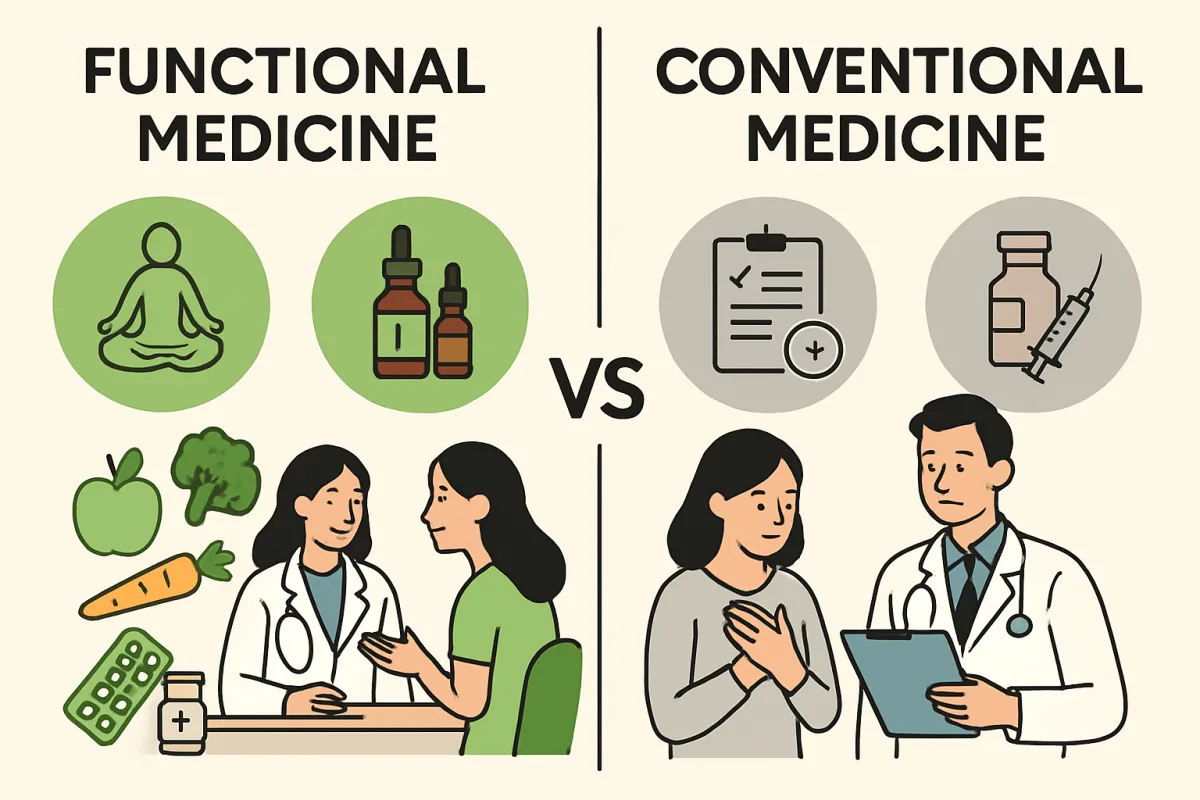
Functional medicine focuses on identifying and addressing the root causes of diseases, while conventional medicine typically emphasizes symptom management and standardized treatments. Each approach has its strengths and weaknesses, making them suitable for different patient needs and preferences.
Quick Summary
This page explores the differences between functional medicine and conventional medicine, highlighting their methodologies, strengths, and weaknesses. Understanding these distinctions can help patients make informed healthcare decisions based on their individual needs.
Curator Notes
Functional medicine is a patient-centered approach that seeks to understand the underlying causes of illness. Practitioners often spend more time with patients, gathering comprehensive health histories and considering lifestyle factors. This holistic view allows for personalized treatment plans that may include dietary changes, supplements, and lifestyle modifications alongside conventional treatments.
In contrast, conventional medicine tends to focus on diagnosing and treating specific diseases using standardized protocols. While this approach is effective for acute conditions and emergencies, it may not address chronic issues that require a more individualized strategy. Patients often find that conventional methods can overlook the interconnectedness of bodily systems, which functional medicine aims to address.
Ultimately, the choice between functional and conventional medicine depends on individual health needs, preferences, and the nature of the health issue at hand. Some patients may benefit from a combination of both approaches, leveraging the strengths of each to achieve optimal health outcomes.
Recommended Options
- Cleveland Clinic Center for Functional Medicine: Best for Patients seeking personalized, holistic care Renowned for its comprehensive approach and expert practitioners Signal checked: High patient satisfaction ratings and numerous success stories Alternative to consider: Institute for Functional Medicine
- Mayo Clinic: Best for Patients needing specialized, evidence-based conventional care Highly respected for its research and clinical expertise Signal checked: Ranked among the top hospitals in the U.S. Alternative to consider: Johns Hopkins Medicine
Best Sources
Videos and Community Signals
If you wish to support this show, shop my new fragrance collection here: https://www.fineforever.com/ Use code DRDAFSHOW for ...
Although I strongly considered training in functional medicine, I decided it was not a good fit and here is why: 1. Training consisted ...
Comparison
| Decision Point | Good Starting Choice | When to Go Further |
|---|---|---|
| Approach to Treatment | Symptom management with standardized protocols | Root cause analysis and personalized treatment plans |
| Patient Interaction | Short consultations focusing on specific issues | In-depth consultations considering lifestyle and history |
| Focus Areas | Acute and emergency care | Chronic disease management and prevention |
FAQ
Functional medicine is a holistic approach that focuses on identifying and addressing the root causes of diseases rather than just treating symptoms.
Conventional medicine typically emphasizes standardized treatments and symptom management, while functional medicine aims for personalized care based on individual health histories.