Freemium Model Pros and Cons
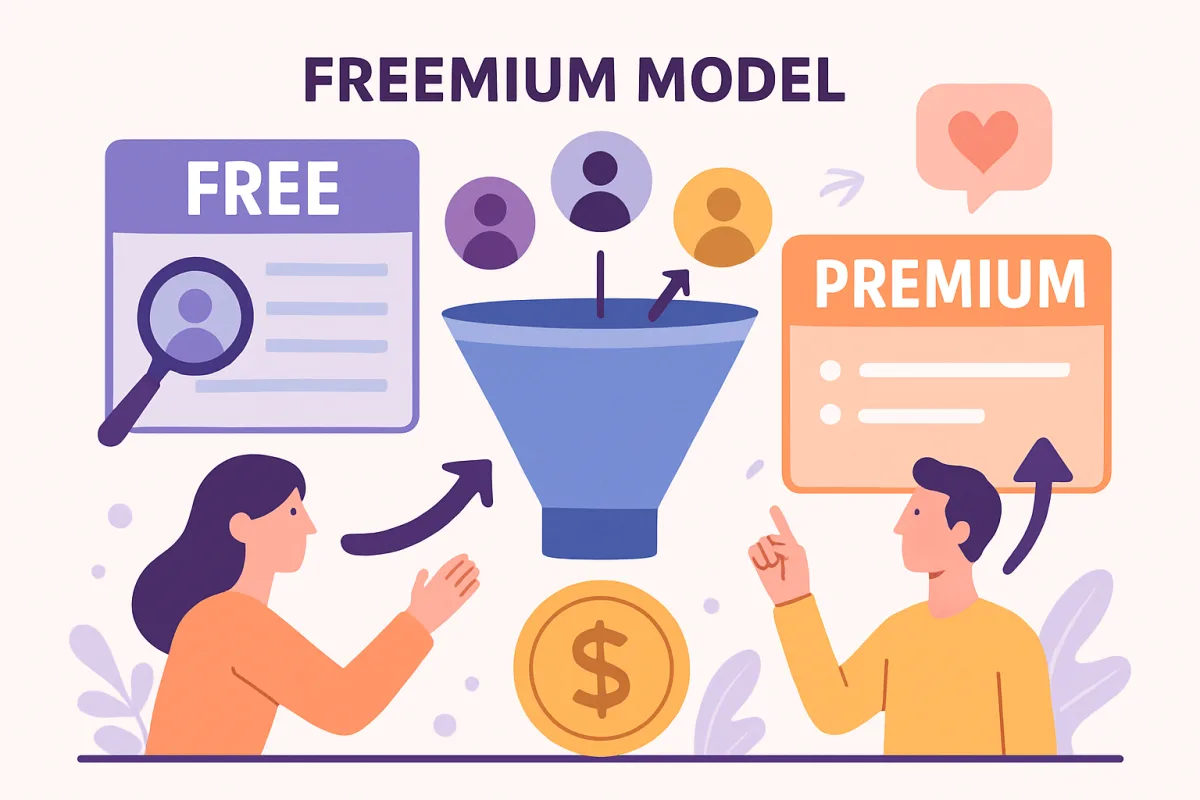
The freemium model offers a unique approach to monetization, allowing users to access basic features for free while charging for premium features. This model can attract a large user base quickly, but it also poses challenges, such as converting free users to paying customers and managing operational costs. Understanding both the advantages and disadvantages is crucial for businesses considering this model.
Quick Summary
The freemium model has become a popular strategy in various industries, particularly in software and digital services. It allows users to try a product for free, which can lead to increased user acquisition. However, it also comes with challenges, including the need for effective conversion strategies and potential revenue limitations.
Curator Notes
The freemium model is a business strategy where basic services are provided free of charge, while more advanced features or services are offered at a premium. This approach can significantly boost user acquisition, as it lowers the barrier to entry for potential customers. Companies like Spotify and Dropbox have successfully utilized this model, attracting millions of users who may later convert to paying customers for additional features.
However, the freemium model is not without its drawbacks. One major challenge is converting free users into paying customers, which often requires ongoing marketing efforts and a compelling value proposition. Additionally, businesses must manage the operational costs associated with maintaining a large user base, which can strain resources if not managed properly.
Companies must also be cautious about the balance between free and paid features to avoid alienating paying customers. Ultimately, the success of the freemium model hinges on a company's ability to engage users effectively and provide clear incentives for upgrading to premium services. Understanding these pros and cons is essential for any entrepreneur considering this approach.
Recommended Options
- Spotify: Best for Music streaming enthusiasts looking for a free trial. Offers a vast library of music with a user-friendly interface. Signal checked: Over 400 million users, with millions converting to paid subscriptions. Alternative to consider: Apple Music for a more curated experience.
- Dropbox: Best for Individuals and teams needing cloud storage solutions. Provides seamless file sharing and collaboration tools. Signal checked: Widely used in businesses, with a strong reputation for reliability. Alternative to consider: Google Drive for integrated Google services.
Best Sources
Videos and Community Signals
In this video, we break down the key differences between the Freemium and Subscription business models, how they work, and ...
A freemium model offers basic features to users at no cost and charges a premium for advanced features. This approach has ...
Comparison
| Decision Point | Good Starting Choice | When to Go Further |
|---|---|---|
| User Acquisition | Freemium model to attract users quickly. | Targeted marketing to convert free users to paid. |
| Revenue Generation | Limited revenue from free users. | Diversified revenue streams through premium features. |
| Operational Costs | Lower initial costs with a free model. | Higher costs if user conversion is low. |
FAQ
The main benefits include increased user acquisition, the ability to showcase product value, and potential for upselling premium features.
Challenges include converting free users to paying customers, managing operational costs, and maintaining a balance between free and premium features.