FPS Competitive Controller Tips
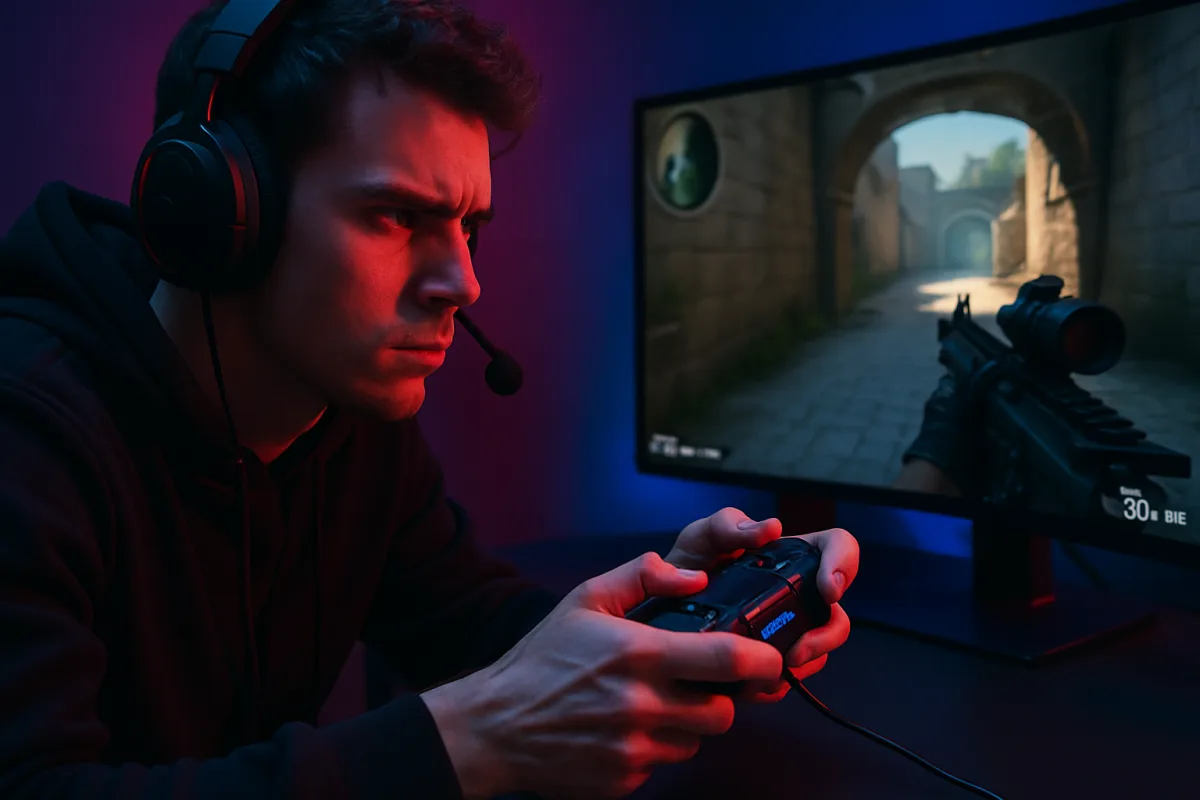
Improving your FPS competitive controller skills involves mastering sensitivity settings, grip styles, and button layouts. Start by adjusting your sensitivity to find a balance between speed and accuracy. Experiment with different grip styles, such as claw or palm grip, to see which offers better control. Customizing your button layout can also enhance your reaction time. Lastly, practice regularly in various game modes to develop muscle memory and improve your overall performance.
Quick Summary
To excel in FPS games using a controller, focus on optimizing your sensitivity settings, experimenting with grip styles, and customizing your button layout. Sensitivity should strike a balance between speed and precision, while grip style affects control and comfort. Custom button layouts can enhance your reaction time, and consistent practice across different game modes is essential for muscle memory development. These strategies collectively contribute to improved performance in competitive settings.
Curator Notes
Mastering FPS games on a controller requires a strategic approach to several key factors. Sensitivity settings are paramount; finding the right balance between speed and accuracy can significantly impact your gameplay. Lower sensitivity allows for finer control, while higher sensitivity can help with quick turns.
It's advisable to start with a lower sensitivity and gradually increase it as you become more comfortable with your aim and movement. Grip style plays a crucial role in how you handle your controller. The two most common styles are claw and palm grip.
The claw grip allows for quicker access to buttons, which can be beneficial for fast-paced games. In contrast, the palm grip offers more comfort for extended play sessions. Testing both styles can help you determine which provides better control and comfort for your gameplay.
Customizing your button layout is another effective strategy. Many competitive players opt for layouts that prioritize quick access to essential functions, such as jumping or crouching. Some controllers even allow for remapping buttons, enabling you to create a setup that feels intuitive.
This can lead to faster reaction times and a more fluid gaming experience. Regular practice is essential for developing muscle memory. Engaging in various game modes can expose you to different scenarios, helping you adapt your skills to diverse challenges.
Consider using training modes or aim trainers to refine your shooting accuracy and reflexes. Additionally, consider the importance of controller settings, such as dead zones and vibration feedback. Lowering the dead zone can enhance responsiveness, while adjusting vibration settings can help you focus better during intense moments.
Lastly, community feedback and tutorials can provide valuable insights. Engaging with forums and watching expert gameplay can reveal tips and tricks that you might not discover on your own. Learning from others can accelerate your improvement and keep you motivated.
In summary, optimizing your FPS controller skills involves a combination of sensitivity adjustments, grip experimentation, button customization, and consistent practice. Each of these elements contributes to a more effective and enjoyable gaming experience, ultimately enhancing your competitive edge.
Recommended Options
- SCUF Infinity4PS Pro: Best for Competitive gamers looking for customizable options. Offers remappable buttons and adjustable sensitivity. Signal checked: Highly rated among professional players for its performance. Alternative to consider: Razer Raiju Ultimate for additional features.
- Microsoft Xbox Elite Wireless Controller Series 2: Best for Gamers seeking premium build quality and customization. Features interchangeable thumbsticks and paddles for enhanced control. Signal checked: Widely praised for its durability and performance. Alternative to consider: PlayStation DualSense for a more traditional feel.
- Astro Gaming Astro C40 TR: Best for Players wanting a versatile and modular design. Allows for extensive customization and has a comfortable grip. Signal checked: Recommended by many esports professionals. Alternative to consider: Nacon Revolution Pro for a different ergonomic approach.
Best Sources
Videos and Community Signals
The Gamesir G7 Pro is GOATED. No joke, made Halo more enjoyable these past few weeks testing it out. TMR sticks explained: ...
My attempt to teach anyone who wants to get better at FPS games on different ways to improve, besides mechanics. Hopefully this ...
Comparison
| Decision Point | Good Starting Choice | When to Go Further |
|---|---|---|
| Sensitivity Settings | Start with lower sensitivity for accuracy. | Adjust higher as you gain confidence and skill. |
| Grip Style | Try palm grip for comfort. | Switch to claw grip for faster access to buttons. |
| Button Layout | Use default layout for beginners. | Customize layout for quick access to essential functions. |
| Practice Routine | Play regularly to build muscle memory. | Incorporate aim training and diverse game modes. |
FAQ
Start with a sensitivity around 5-7 and adjust based on comfort and accuracy.
It depends on personal preference; claw grip allows for quicker button access, while palm grip offers more comfort.
Practice regularly, use aim trainers, and adjust your sensitivity settings for better control.