Founder Vesting: Why It Matters
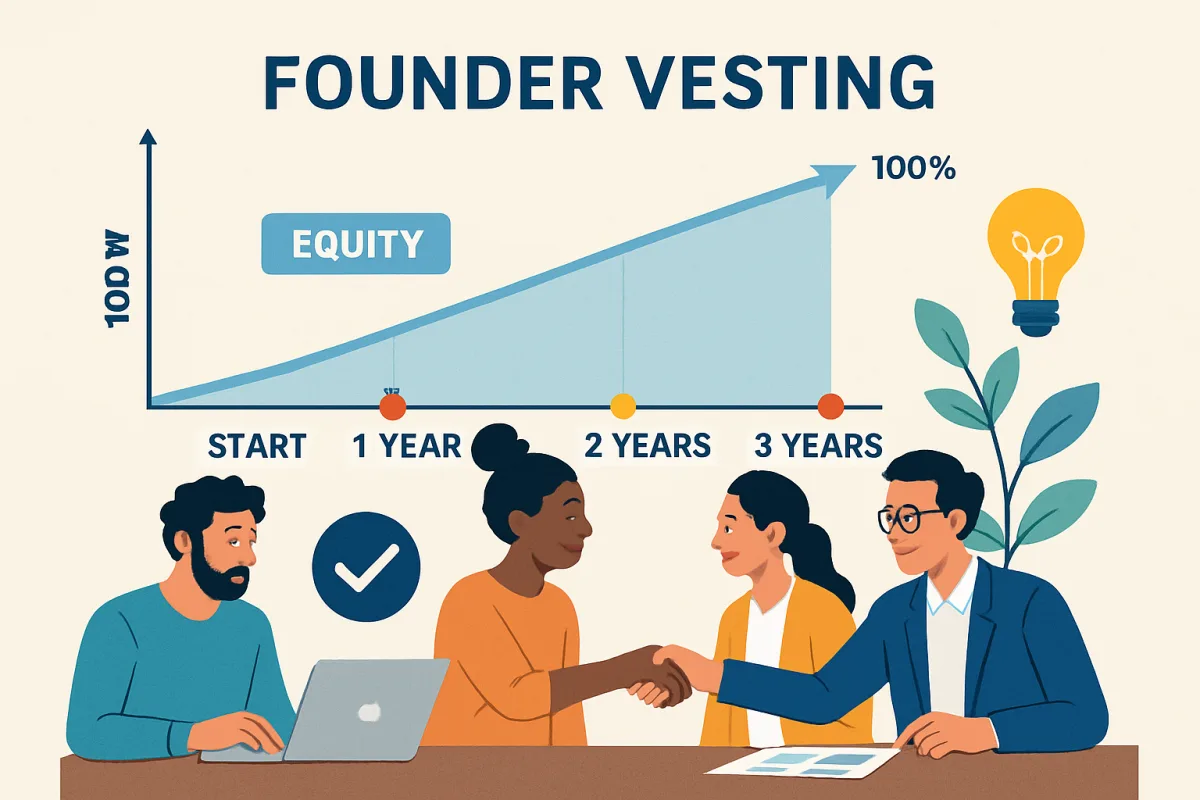
Founder vesting is a critical mechanism that ensures founders earn their equity over time, aligning their interests with the long-term success of the company. Typically structured over a four-year period with a one-year cliff, vesting protects the startup from losing significant equity to founders who may leave early. This approach not only incentivizes commitment but also reassures investors about the dedication of the founding team. Without proper vesting, a founder could walk away with a large equity stake, potentially jeopardizing the startup's future.
Quick Summary
Understanding founder vesting is essential for startup founders and investors alike. This process involves the gradual earning of equity over a specified period, usually four years, with a one-year cliff. It serves to motivate founders to remain committed to their venture while safeguarding the interests of investors. By implementing vesting, startups can prevent scenarios where a founder retains a significant equity stake without contributing to the company's growth. This structured approach fosters a more stable and aligned founding team, ultimately benefiting the startup's trajectory.
Curator Notes
Founder vesting is a crucial aspect of startup equity management that ensures founders earn their shares over time rather than receiving them all upfront. This mechanism is typically structured over a four-year period with a one-year cliff, meaning that founders must remain with the company for at least one year before any equity is vested. This structure is designed to align the interests of the founders with those of the investors, promoting long-term commitment to the company's success.
One of the primary benefits of founder vesting is that it protects the startup from losing significant equity to founders who may leave early. Without vesting, a founder could walk away with a large portion of the company's equity after only a short time, which could jeopardize the startup's future. By implementing a vesting schedule, startups can ensure that equity is earned based on continued contribution and commitment.
Additionally, vesting can serve as a motivational tool for founders. Knowing that their equity is tied to their ongoing involvement can encourage founders to stay engaged and work towards the company's success. This can be particularly important in the early stages of a startup when challenges are prevalent and sustained effort is required.
Investors also favor founder vesting as it provides a level of assurance that the founding team is dedicated to the company's long-term goals. When investors see that founders have a vested interest in the company's success, they are more likely to invest, knowing that the team is committed to building value over time. However, there are potential downsides to consider.
For instance, if a founder is forced to leave the company due to unforeseen circumstances, the vesting schedule could result in them losing out on equity they might have otherwise earned. This can lead to tension and dissatisfaction among founding team members, especially if the vesting terms are not clearly communicated and agreed upon from the outset. In conclusion, founder vesting is an essential practice for startups that helps align the interests of founders and investors while promoting long-term commitment.
It is crucial for founders to understand the implications of vesting and to negotiate terms that reflect their contributions and expectations. By doing so, they can create a more stable and motivated founding team, ultimately enhancing the startup's chances of success.
Best Sources
Videos and Community Signals
shorts What are share vesting agreements and why do they exist? So you want to build a product, develop services, create a team ...
Many founders think vesting is only for employees, but investors expect everyone (including founders) to earn their equity over ...
Comparison
| Decision Point | Good Starting Choice | When to Go Further |
|---|---|---|
| Online booking | A simple booking page with service duration, staff assignment and confirmation emails. | Multi-location calendars, deposits, cancellation rules and waitlist handling. |
| Client records | Basic notes, visit history and contact details are enough to start. | Segmentation, purchase history, memberships, forms and before-after notes become more important. |
| Reminders | SMS or email reminders help reduce no-shows without adding admin work. | Automated rebooking, follow-up campaigns and missed-appointment recovery matter more. |
| Payments | Card capture and checkout should be simple and transparent. | Packages, memberships, staff commissions, tips and refunds need cleaner reporting. |
| Marketing | Light email or SMS campaigns are useful if they are easy to run. | Automated win-back, birthday offers, review requests and audience segments create more leverage. |
FAQ
Founder vesting is a process where founders earn their equity over a specified period, typically four years, with a one-year cliff, ensuring commitment to the startup.
It protects the startup from losing equity to founders who leave early and aligns the interests of founders with those of investors.
If a founder leaves before the vesting period is complete, they typically forfeit any unvested equity, retaining only what has been earned.
Vesting terms can be negotiated based on the founders' roles, expected contributions, and the specific needs of the startup, ensuring clarity and fairness.