Foods That Cause Bloating to Avoid
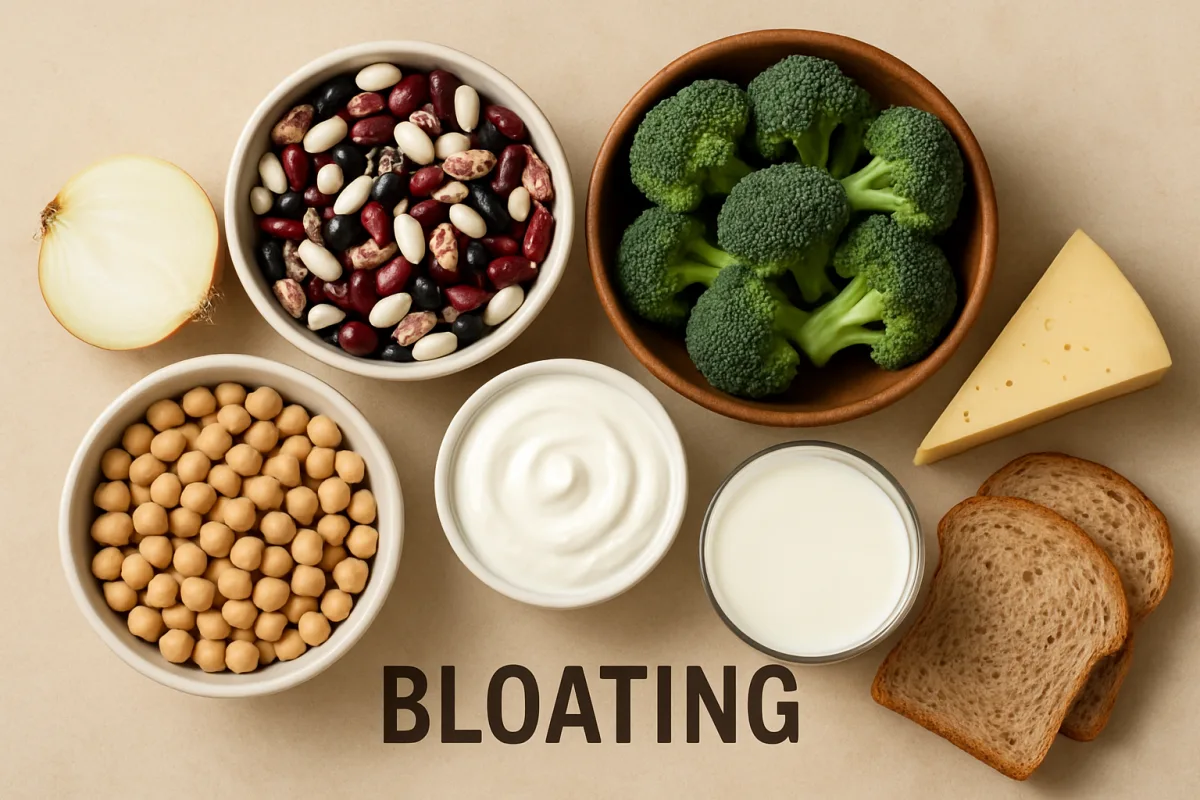
Certain foods are known to cause bloating, which can be uncomfortable and disruptive. Common culprits include beans, lentils, cruciferous vegetables (like broccoli and cauliflower), dairy products, and high-sugar fruits (such as apples and pears). These foods can lead to gas production in the digestive system, resulting in bloating. It's essential to identify personal triggers, as individual responses to these foods can vary.
Quick Summary
Bloating can be caused by various foods, particularly those high in fiber, sugar, or lactose. Key offenders include beans, cruciferous vegetables, dairy, and certain fruits. Understanding these triggers can help manage and reduce bloating effectively.
Curator Notes
Bloating is a common digestive issue that can be triggered by several types of foods. Foods high in fiber, such as beans and lentils, are notorious for causing gas production in the intestines. This is due to their complex carbohydrates that are not easily digestible, leading to fermentation by gut bacteria.
Similarly, cruciferous vegetables like broccoli and cauliflower contain compounds that can also lead to gas formation. Dairy products are another significant contributor, especially for individuals who are lactose intolerant. The inability to properly digest lactose can result in bloating and discomfort.
Additionally, high-sugar fruits like apples and pears can exacerbate bloating due to their fructose content, which can be difficult for some people to digest. Identifying personal triggers is crucial, as individual responses to these foods can vary widely. To manage bloating, it may be beneficial to keep a food diary to track which foods cause symptoms.
Gradually reintroducing foods can also help pinpoint specific triggers. Consulting with a healthcare professional or a registered dietitian can provide personalized guidance and strategies for managing bloating effectively.
Best Sources
Videos and Community Signals
Tired of feeling bloated after every meal? This video reveals what's really causing bloating and how to stop bloating forever, ...
Discover the top foods that won't bloat and keep our digestive system happy! This video dives into a variety of delicious options ...
Comparison
| Decision Point | Good Starting Choice | When to Go Further |
|---|---|---|
| Online booking | A simple booking page with service duration, staff assignment and confirmation emails. | Multi-location calendars, deposits, cancellation rules and waitlist handling. |
| Client records | Basic notes, visit history and contact details are enough to start. | Segmentation, purchase history, memberships, forms and before-after notes become more important. |
| Reminders | SMS or email reminders help reduce no-shows without adding admin work. | Automated rebooking, follow-up campaigns and missed-appointment recovery matter more. |
| Payments | Card capture and checkout should be simple and transparent. | Packages, memberships, staff commissions, tips and refunds need cleaner reporting. |
| Marketing | Light email or SMS campaigns are useful if they are easy to run. | Automated win-back, birthday offers, review requests and audience segments create more leverage. |
FAQ
Common foods that cause bloating include beans, lentils, cruciferous vegetables, dairy products, and high-sugar fruits.
To reduce bloating, identify and avoid personal trigger foods, keep a food diary, and consider consulting a healthcare professional.
No, bloating can also be caused by other factors such as stress, overeating, or digestive disorders.