Foods For Gut Health Digestion
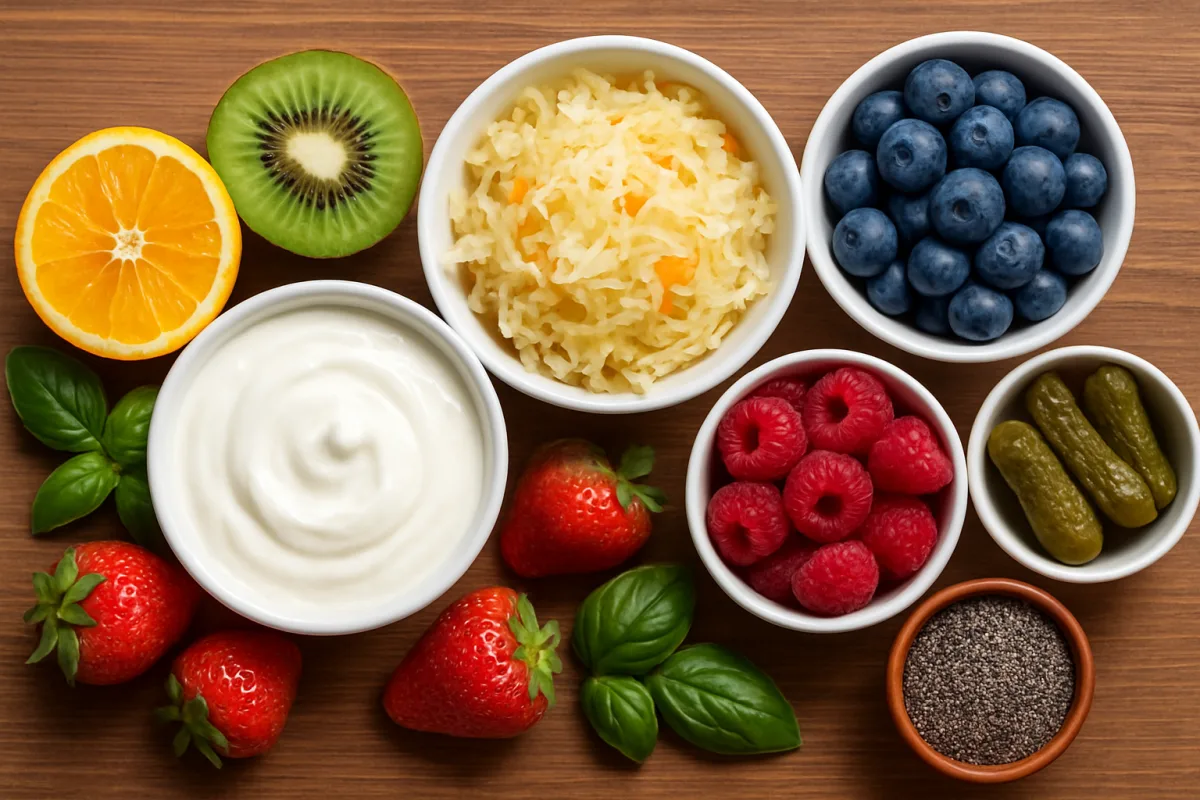
Incorporating specific foods into your diet can significantly enhance gut health and digestion. Fermented foods like yogurt, kefir, and sauerkraut are rich in probiotics, which promote a healthy gut microbiome. Fiber-rich foods such as fruits, vegetables, and whole grains support digestive health by aiding regular bowel movements. Additionally, foods high in omega-3 fatty acids, like salmon and walnuts, can reduce inflammation in the gut. It's essential to balance these foods with adequate hydration and limit processed foods to optimize gut function.
Quick Summary
Gut health is crucial for overall well-being, and certain foods can play a pivotal role in enhancing digestion. Fermented foods are excellent for introducing beneficial bacteria, while fiber-rich options help maintain regularity. Omega-3 fatty acids also contribute to reducing gut inflammation. By focusing on these food groups, individuals can improve their digestive health effectively. It's equally important to stay hydrated and minimize processed food intake to support these efforts.
Curator Notes
A healthy gut is foundational for overall health, and diet plays a vital role in maintaining gut integrity. Fermented foods, such as yogurt, kefir, and kimchi, are packed with probiotics. These beneficial bacteria help balance the gut microbiome, which is essential for digestion and nutrient absorption.
Including these foods regularly can lead to improved gut flora diversity, which is linked to better health outcomes. Fiber is another critical component for gut health. Foods like beans, lentils, fruits, and vegetables provide soluble and insoluble fiber, both of which are necessary for regular bowel movements.
Soluble fiber can help manage cholesterol levels, while insoluble fiber aids in preventing constipation. A diet rich in fiber can also promote a feeling of fullness, which can help with weight management. Omega-3 fatty acids, found in fatty fish like salmon, walnuts, and flaxseeds, are known for their anti-inflammatory properties.
Chronic inflammation can lead to various digestive issues, including irritable bowel syndrome (IBS) and inflammatory bowel disease (IBD). Incorporating omega-3-rich foods can help mitigate these risks and promote a healthier gut lining. Hydration is often overlooked but is equally important for digestive health.
Water helps dissolve nutrients and soluble fiber, making it easier for the body to absorb them. Aim for at least eight glasses of water a day, adjusting based on activity level and climate. While focusing on gut-friendly foods, it's also crucial to limit processed foods high in sugar and unhealthy fats.
These can disrupt gut flora and lead to digestive problems. Instead, opt for whole, unprocessed foods whenever possible. Lastly, consider the role of prebiotics, which are non-digestible food components that promote the growth of beneficial bacteria.
Foods like garlic, onions, and asparagus are excellent sources of prebiotics. Including a variety of these foods can further enhance gut health. In summary, a balanced diet rich in fermented foods, fiber, omega-3 fatty acids, and plenty of water can significantly improve gut health and digestion.
Making these dietary changes can lead to long-term benefits for overall health and well-being.
Recommended Options
- Chobani Greek Yogurt: Best for Individuals seeking probiotics for gut health High in protein and contains live cultures that support digestion. Signal checked: Widely reviewed positively for taste and health benefits. Alternative to consider: Kefir, which is also rich in probiotics and easier to digest.
- Chia Seeds: Best for Those looking to increase fiber intake High in omega-3 fatty acids and soluble fiber, promoting digestive health. Signal checked: Popular among health enthusiasts and often recommended by nutritionists. Alternative to consider: Flaxseeds, which offer similar benefits.
- Bubbies Sauerkraut: Best for People wanting a flavorful source of probiotics Signal checked: Highly rated for quality and taste in health food stores. Alternative to consider: Kimchi, which offers a spicy alternative with similar benefits.
Best Sources
Videos and Community Signals
SUBSCRIBE FOR MORE: https://www.youtube.com/c/DrJoshAxe?sub_confirmation=1 Your diet plays a big part in establishing ...
Gut health isn't the first thing that comes to mind when talking about fat loss. But a healthy gut microbiome is key! Want to improve ...
Comparison
| Decision Point | Good Starting Choice | When to Go Further |
|---|---|---|
| Probiotic Source | Greek Yogurt for a creamy texture and high protein. | Kefir for a wider variety of probiotics and easier digestion. |
| Fiber Content | Chia Seeds for a simple addition to smoothies. | Flaxseeds for a more robust source of omega-3s. |
| Fermented Options | Sauerkraut for a tangy side dish. | Kimchi for those who enjoy spicy flavors. |
FAQ
Fermented foods like yogurt and sauerkraut, fiber-rich fruits and vegetables, and omega-3 fatty acids are among the best for gut health.
Fiber aids in regular bowel movements and helps prevent constipation, promoting overall digestive health.
While immediate changes can be made, long-term gut health improvements require consistent dietary adjustments.