Food Safety While Traveling Guide
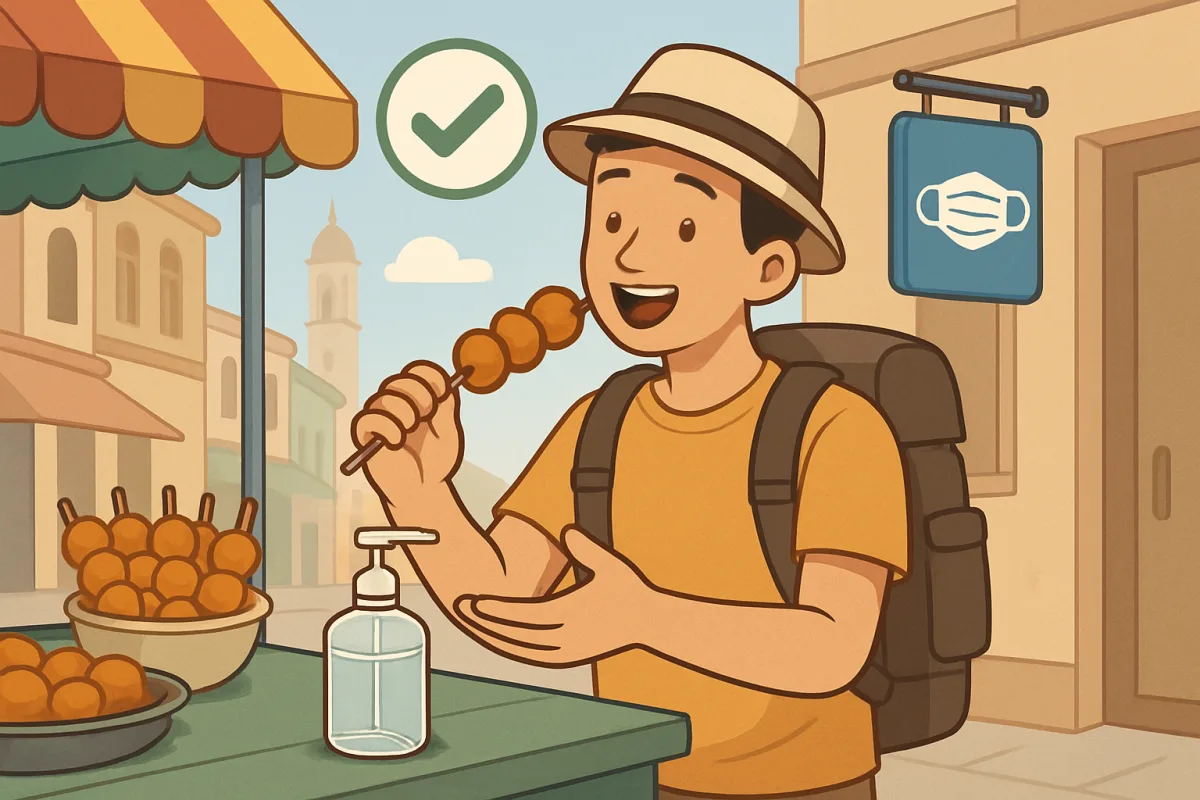
Ensuring food safety while traveling is crucial to avoid foodborne illnesses. Start by choosing reputable restaurants, checking food freshness, and being cautious with street food. Always wash your hands before eating and consider carrying hand sanitizer. Additionally, drink bottled water and avoid ice unless you know it’s made from purified water. These practices can significantly reduce your risk of food-related health issues while traveling.
Quick Summary
Food safety while traveling is essential for a healthy trip. Key practices include choosing reputable dining options, maintaining hygiene, and being cautious with local food and water. This guide provides practical tips to help you enjoy your travels without foodborne illnesses.
Curator Notes
Traveling exposes you to new cuisines and dining environments, but it also increases your risk of foodborne illnesses. To mitigate this risk, begin by selecting reputable restaurants and eateries. Look for places that are busy, as high customer turnover often indicates food safety practices are being followed.
Avoid establishments with questionable hygiene or that appear dirty. Hygiene is paramount. Always wash your hands before meals, and if soap and water aren’t available, use hand sanitizer.
Be cautious with street food; while it can be delicious, ensure it’s freshly prepared and served hot. When it comes to beverages, stick to bottled water and avoid ice unless you’re certain it’s made from purified water. These simple practices can help ensure a safe and enjoyable travel experience.
Best Sources
Videos and Community Signals
Traveling can be an exciting adventure, but food safety is crucial to ensure we enjoy our journey without any health hiccups.
Our latest video, 'Ultimate Guide to Food Safety While Traveling Abroad,' is the perfect resource for travelers looking to explore the ...
Comparison
| Decision Point | Good Starting Choice | When to Go Further |
|---|---|---|
| Choosing Restaurants | Opt for busy, reputable places to ensure food safety. | Research local health ratings and reviews for deeper insights. |
| Hygiene Practices | Always wash hands before eating. | Carry hand sanitizer for situations without soap and water. |
| Water Safety | Drink bottled water. | Avoid ice unless you know it’s from purified water. |
FAQ
Seek medical attention immediately, stay hydrated, and avoid solid foods until symptoms improve.
Street food can be safe if it’s freshly cooked and served hot. Always observe hygiene practices.
Research local food safety practices, choose busy restaurants, and avoid raw or undercooked foods.