Food Allergy vs Food Sensitivity
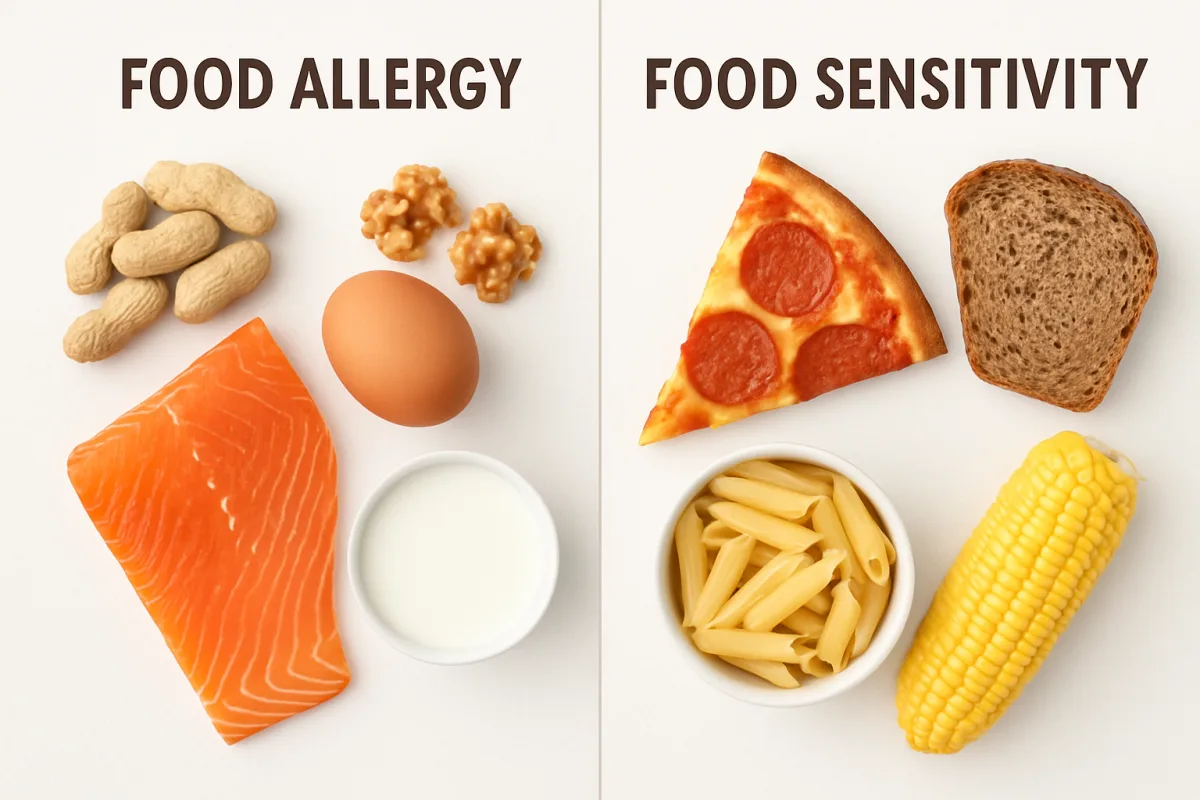
Food allergies and food sensitivities are distinct conditions that affect individuals differently. A food allergy triggers an immune response, often resulting in severe symptoms like hives, swelling, or anaphylaxis. In contrast, food sensitivities typically lead to digestive issues, such as bloating or gas, and do not involve the immune system. Understanding these differences is crucial for effective management and treatment, especially for those who may need to avoid certain foods for health reasons.
Quick Summary
Differentiating between food allergies and food sensitivities is essential for proper health management. Food allergies provoke an immune response, leading to severe reactions that can be life-threatening. On the other hand, food sensitivities generally result in milder digestive issues and do not involve the immune system. Recognizing these distinctions can help individuals make informed dietary choices and seek appropriate medical advice.
Curator Notes
Food allergies and food sensitivities are often confused, but they have distinct characteristics that affect how individuals respond to certain foods. A food allergy involves the immune system, where the body mistakenly identifies a harmless food protein as a threat. This can lead to severe reactions, including anaphylaxis, which requires immediate medical attention.
Common allergens include peanuts, tree nuts, shellfish, and dairy. For those with food allergies, even a small amount of the allergen can trigger a serious response, making strict avoidance necessary. In contrast, food sensitivities do not involve the immune system.
Instead, they often manifest as gastrointestinal discomfort, such as bloating, gas, or diarrhea. Symptoms can vary widely and may not appear immediately after consuming the offending food, making it harder to identify the cause. Common culprits include gluten, lactose, and certain food additives.
While food sensitivities can significantly affect quality of life, they are typically not life-threatening. Diagnosis also differs between the two conditions. Food allergies are usually confirmed through skin prick tests or blood tests that measure specific IgE antibodies.
Conversely, food sensitivities often require an elimination diet followed by gradual reintroduction to pinpoint the problematic food. This process can be time-consuming and may require guidance from a healthcare professional. Management strategies vary as well.
Those with food allergies must carry emergency epinephrine auto-injectors and avoid allergens entirely. In contrast, individuals with food sensitivities may find they can tolerate small amounts of the offending food or may benefit from digestive aids. This flexibility can make living with food sensitivities less restrictive than managing a food allergy.
It's also important to note that food allergies can develop at any age, while food sensitivities are more commonly reported in adults. This age factor can influence how individuals approach their diets and health management strategies. Understanding the differences between food allergies and food sensitivities is crucial for effective dietary planning and health management.
Misdiagnosis can lead to unnecessary dietary restrictions or, conversely, exposure to potentially life-threatening allergens. Therefore, consulting with healthcare providers for accurate diagnosis and tailored advice is essential for anyone experiencing adverse reactions to food. In summary, while both conditions can significantly impact daily life, their underlying mechanisms, symptoms, and management strategies differ greatly.
Awareness of these differences can empower individuals to make informed choices about their health and nutrition.
Best Sources
Videos and Community Signals
Food Allergies Vs. Food Sensitivities: How to Best Test// It's hard to tell the difference between food allergies vs food intolerance.
What is happening when we feel less than 100% after eating certain foods? WholisticMatters shows how your body responds to a ...
Comparison
| Decision Point | Good Starting Choice | When to Go Further |
|---|---|---|
| Online booking | A simple booking page with service duration, staff assignment and confirmation emails. | Multi-location calendars, deposits, cancellation rules and waitlist handling. |
| Client records | Basic notes, visit history and contact details are enough to start. | Segmentation, purchase history, memberships, forms and before-after notes become more important. |
| Reminders | SMS or email reminders help reduce no-shows without adding admin work. | Automated rebooking, follow-up campaigns and missed-appointment recovery matter more. |
| Payments | Card capture and checkout should be simple and transparent. | Packages, memberships, staff commissions, tips and refunds need cleaner reporting. |
| Marketing | Light email or SMS campaigns are useful if they are easy to run. | Automated win-back, birthday offers, review requests and audience segments create more leverage. |
FAQ
Food allergies can cause symptoms like hives, swelling, difficulty breathing, and anaphylaxis, which can be life-threatening.
Identifying a food sensitivity often involves an elimination diet followed by gradual reintroduction of foods to pinpoint triggers.
Yes, food allergies can develop at any age, even in individuals who previously tolerated the food without issues.
Food sensitivities may not be permanent; some individuals find they can tolerate certain foods over time.