Foam Rolling Techniques That Help
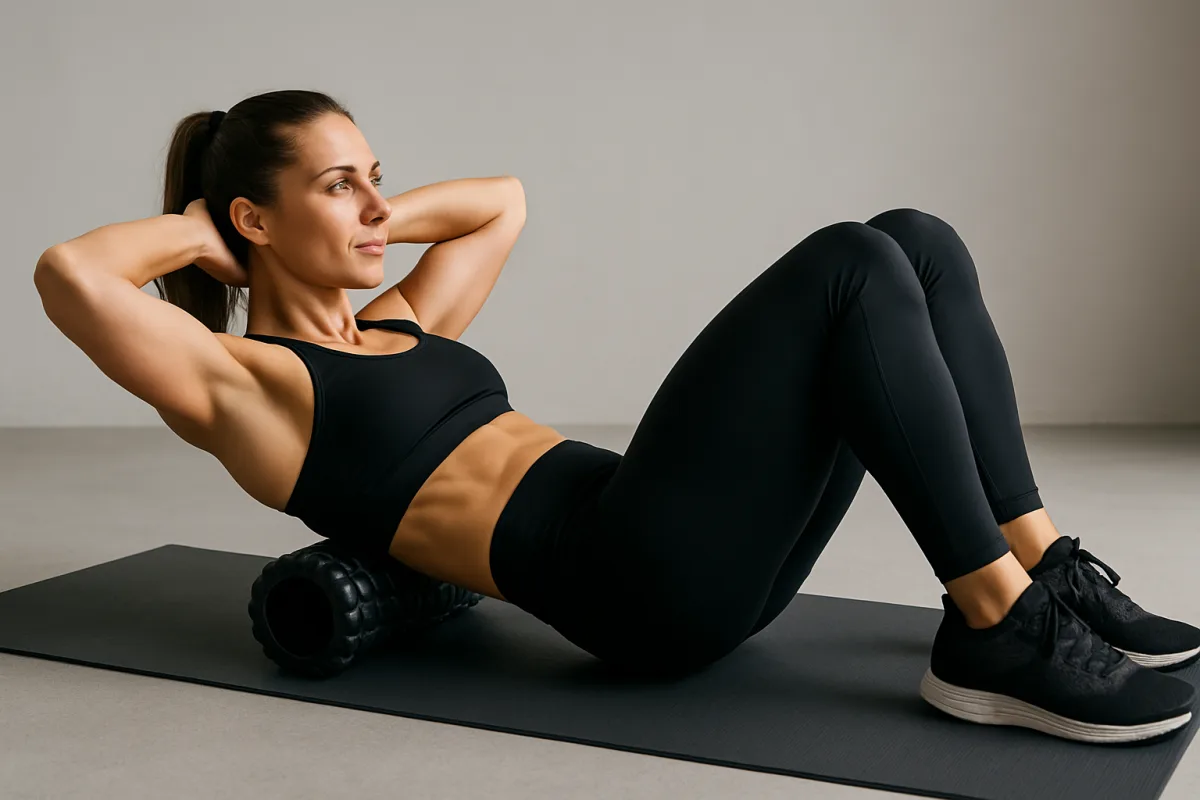
Foam rolling techniques are essential for muscle recovery and injury prevention. Effective methods include rolling on major muscle groups such as the back, thighs, and calves. Start with slow, controlled movements, applying pressure to tight areas for 30 seconds to 2 minutes. Incorporate dynamic stretches before workouts and static rolling afterward to enhance flexibility and reduce soreness. Always listen to your body and adjust pressure according to your comfort level.
Quick Summary
Foam rolling is a self-myofascial release technique that helps alleviate muscle tightness and improve flexibility. Key techniques involve rolling on specific muscle groups with controlled pressure. This practice can enhance recovery, reduce soreness, and prevent injuries when done correctly. Incorporate foam rolling into your fitness routine for optimal results.
Curator Notes
Foam rolling is a technique used to relieve muscle tightness and improve overall flexibility. By applying pressure to specific muscle groups, you can enhance blood flow and reduce soreness. The most effective areas to target include the back, thighs, calves, and glutes.
Start with slow, controlled movements, focusing on tight spots for 30 seconds to 2 minutes. This method not only helps in muscle recovery but also aids in injury prevention. Incorporating foam rolling into your fitness routine can be highly beneficial.
It’s recommended to perform dynamic stretches before workouts to prepare your muscles, followed by static foam rolling afterward to enhance recovery. Always listen to your body; if a certain area feels particularly tight, spend extra time rolling there. Adjust the pressure according to your comfort level, ensuring that you are not causing pain but rather alleviating tension.
Recommended Options
- TriggerPoint GRID Foam Roller: Best for Athletes and fitness enthusiasts Its unique grid design mimics the feeling of a massage therapist's hands, providing targeted relief. Signal checked: Highly rated on Amazon with thousands of positive reviews. Alternative to consider: RumbleRoller
- LuxFit Foam Roller: Best for Beginners and casual users Affordable and versatile, suitable for various muscle groups. Signal checked: Popular choice among new users with good reviews for its durability. Alternative to consider: ProForm Foam Roller
Best Sources
Videos and Community Signals
The Complete Guide to Full-Body Foam Rolling Exercises | Including the Do's & Don'ts! Learn all about the basics of foam rolling ...
Ready to feel amazing in just 10 minutes? Don't just own a foam roller—learn how to use it! In this quick video, I'll guide you ...
Comparison
| Decision Point | Good Starting Choice | When to Go Further |
|---|---|---|
| Intensity of Pressure | Use a softer foam roller for beginners or sensitive areas. | Opt for a firmer roller for deeper tissue release. |
| Targeted Muscle Groups | Focus on major muscle groups like thighs and calves. | Incorporate rolling on smaller muscle groups like forearms and feet. |
FAQ
Foam rolling can be done daily, especially after workouts, to aid recovery and prevent soreness.
Yes, foam rolling can improve blood flow and flexibility, which may aid in the recovery process.