FIRE Movement Explained Simply
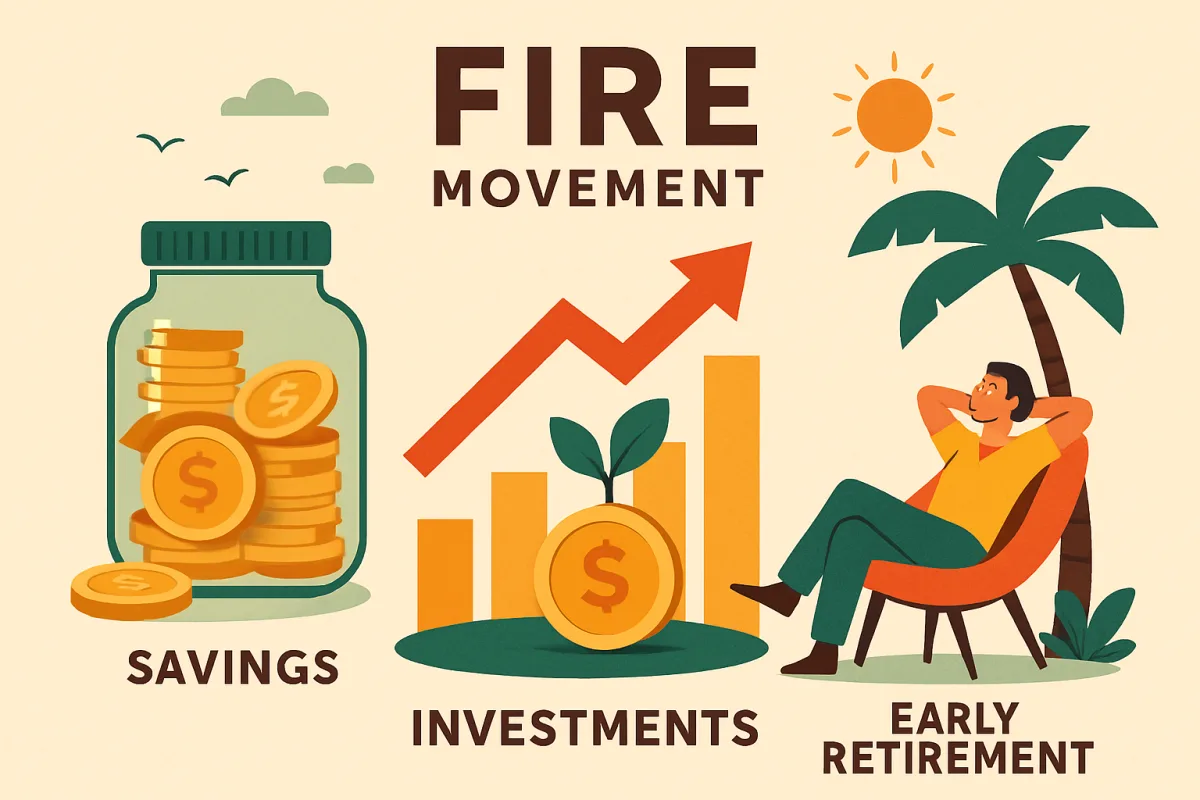
The FIRE (Financial Independence, Retire Early) Movement is a lifestyle philosophy focused on extreme savings and investment to achieve financial independence and retire much earlier than traditional retirement age. Advocates typically aim to save 50-70% of their income, allowing them to retire in their 30s or 40s. The movement emphasizes frugality, smart investing, and a clear understanding of personal finance. Key strategies include reducing expenses, maximizing income, and investing in low-cost index funds or real estate. The FIRE Movement has gained traction through online communities and blogs, making financial independence more accessible to a broader audience.
Quick Summary
FIRE Movement encourages individuals to achieve financial independence through aggressive saving and investing strategies. By saving a significant portion of their income, often 50-70%, followers aim to retire decades earlier than the norm. This lifestyle emphasizes frugality, smart financial planning, and investment in low-cost assets. The movement has gained popularity through online platforms, inspiring many to rethink their approach to work and retirement. Understanding the principles of FIRE can empower individuals to take control of their finances and pursue a more fulfilling life.
Curator Notes
The FIRE Movement is not just about saving money; it's about fundamentally changing how you view work and retirement. Many adherents believe that traditional retirement at 65 is outdated and that with disciplined saving and investing, one can retire much earlier. This shift in mindset is crucial for anyone considering the FIRE path.
To achieve FIRE, individuals typically adopt a frugal lifestyle, drastically cutting unnecessary expenses. This might mean living in a smaller home, driving a used car, or forgoing expensive vacations. The idea is to maximize savings, which can then be invested to generate passive income.
This approach requires a strong commitment to financial discipline and a willingness to make sacrifices in the short term for long-term gain. Investing plays a critical role in the FIRE Movement. Many followers advocate for low-cost index funds, which provide broad market exposure with minimal fees.
Real estate is another popular investment avenue, as it can offer both appreciation and rental income. Understanding the risks and rewards of different investment strategies is essential for anyone looking to achieve financial independence. Community support is a significant aspect of the FIRE Movement.
Online forums and blogs provide resources, encouragement, and shared experiences. Engaging with others on similar journeys can help maintain motivation and provide practical tips for overcoming challenges. However, the FIRE Movement is not without its criticisms.
Some argue that it promotes an unrealistic lifestyle that may not be feasible for everyone. Additionally, the intense focus on saving can lead to a lack of enjoyment in life, as followers may feel pressured to constantly cut costs. It’s important to find a balance between saving for the future and enjoying the present.
For those considering the FIRE path, it’s essential to create a personalized plan that aligns with individual goals and circumstances. This may involve setting specific savings targets, choosing the right investment vehicles, and regularly reviewing financial progress. The journey to financial independence can be rewarding but requires careful planning and commitment.
Ultimately, the FIRE Movement encourages a proactive approach to personal finance. By understanding your financial situation and making informed choices, you can take control of your future and work towards a life that aligns with your values and aspirations.
Best Sources
Videos and Community Signals
Financial Independence. Retire Early. Those words sound great right? But is it too good to be true? I'll explain the different types ...
I Tried FIRE (Financial Independence, Retire Early) for 5 Years — and It Wasn't What I Expected. Everyone talks about retiring ...
Comparison
| Decision Point | Good Starting Choice | When to Go Further |
|---|---|---|
| Online booking | A simple booking page with service duration, staff assignment and confirmation emails. | Multi-location calendars, deposits, cancellation rules and waitlist handling. |
| Client records | Basic notes, visit history and contact details are enough to start. | Segmentation, purchase history, memberships, forms and before-after notes become more important. |
| Reminders | SMS or email reminders help reduce no-shows without adding admin work. | Automated rebooking, follow-up campaigns and missed-appointment recovery matter more. |
| Payments | Card capture and checkout should be simple and transparent. | Packages, memberships, staff commissions, tips and refunds need cleaner reporting. |
| Marketing | Light email or SMS campaigns are useful if they are easy to run. | Automated win-back, birthday offers, review requests and audience segments create more leverage. |
FAQ
FIRE stands for Financial Independence, Retire Early.
Most advocates suggest saving 50-70% of your income to reach FIRE.
While the principles can benefit many, the extreme frugality may not be feasible or desirable for everyone.
Common strategies include investing in low-cost index funds and real estate.
Yes, it's important to find a balance between saving and enjoying life; many advocate for mindful spending.