EV Home Charging Setup Guide
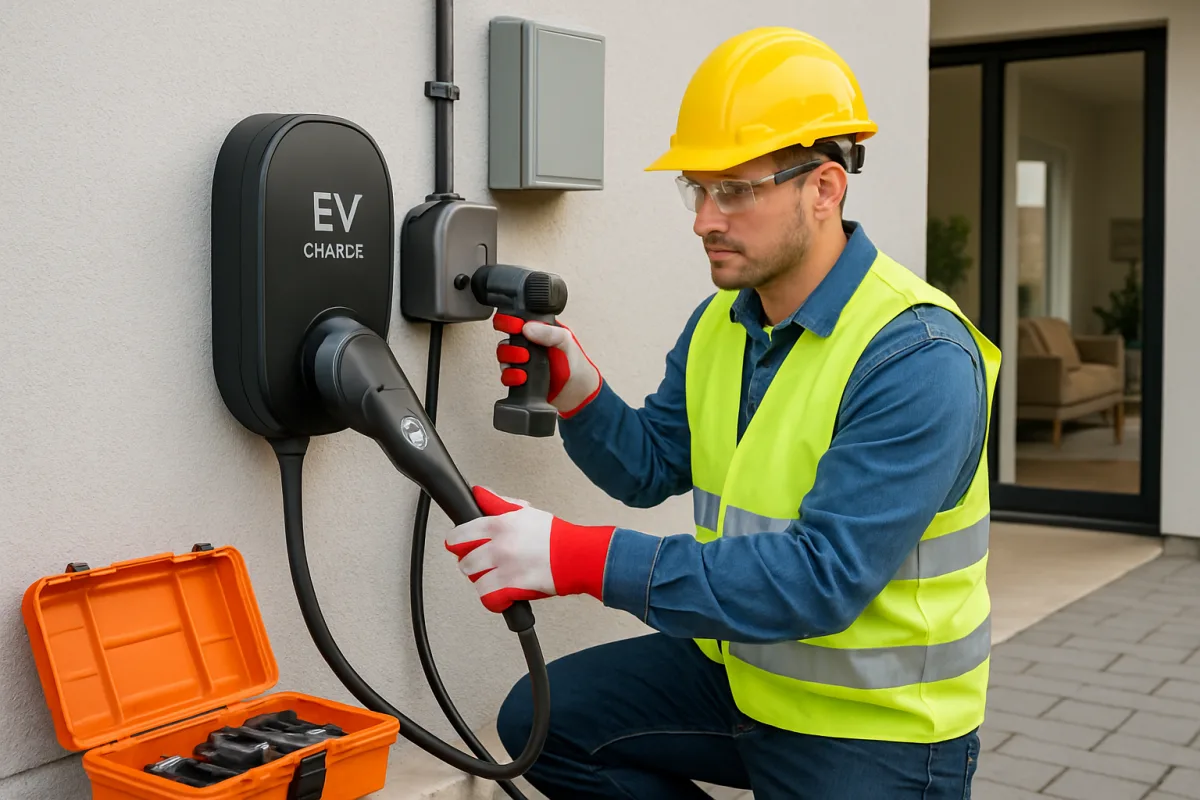
Setting up an EV home charging station involves several key steps: assessing your electrical capacity, selecting the right charger, and installation. First, evaluate your home's electrical system to ensure it can handle the additional load. Next, choose a Level 2 charger for faster charging times. Finally, consider hiring a licensed electrician for installation to ensure safety and compliance with local codes.
Quick Summary
This guide provides a comprehensive overview of setting up an EV home charging station. It covers essential steps such as evaluating your electrical capacity, selecting the appropriate charger, and the importance of professional installation. By following these guidelines, you can ensure a safe and efficient charging solution for your electric vehicle.
Curator Notes
To set up an EV home charging station, the first step is to assess your home's electrical capacity. This involves checking your main electrical panel to determine if it can support the additional load required by an EV charger. If your home has an older electrical system, you may need to upgrade it to accommodate the charger safely.
Next, selecting the right charger is crucial. A Level 2 charger is typically recommended for home use, as it offers faster charging times compared to a standard Level 1 charger. Look for chargers that are compatible with your specific EV model and consider features like Wi-Fi connectivity for monitoring and scheduling charging sessions.
Finally, hiring a licensed electrician for installation is essential. They can ensure that the installation meets local codes and safety standards. This step not only guarantees safety but can also help you avoid potential issues down the line, such as electrical fires or equipment damage.
Recommended Options
- ChargePoint Home Flex: Best for Homeowners looking for a versatile and smart charging solution. Offers adjustable amperage settings and Wi-Fi connectivity for remote management. Signal checked: Highly rated on multiple review platforms with a strong user base. Alternative to consider: JuiceBox 40 Smart EV Charger
- Enel X JuiceBox 40 Smart EV Charger: Best for Users who want a powerful charger with smart features. Features built-in Wi-Fi and is compatible with most EVs. Signal checked: Positive reviews for performance and ease of use. Alternative to consider: Siemens VersiCharge
- Siemens VersiCharge: Best for Those seeking a reliable and straightforward charging solution. User-friendly design with a robust build quality. Signal checked: Well-reviewed for durability and performance. Alternative to consider: Blink HQ 100
Best Sources
Videos and Community Signals
So, you just bought an electric vehicle. Congratulations! But now you've got to decide if you should invest in a Level 2 charger.
In this video, When a homeowner grew tired of her Level 1 charger at home, she called the team at Ask This Old House for help.
Comparison
| Decision Point | Good Starting Choice | When to Go Further |
|---|---|---|
| Electrical Capacity Assessment | Check your existing electrical panel for capacity. | Consider a professional assessment for older homes. |
| Charger Selection | Choose a Level 1 charger for basic needs. | Opt for a Level 2 charger for faster charging. |
| Installation | DIY installation if you have electrical knowledge. | Hire a licensed electrician for safety and compliance. |
FAQ
Level 1 chargers use a standard 120V outlet and are slower, while Level 2 chargers use a 240V outlet and provide faster charging.
Yes, most local jurisdictions require a permit for installing EV chargers to ensure safety and compliance with electrical codes.