EV Home Charging Setup Cost
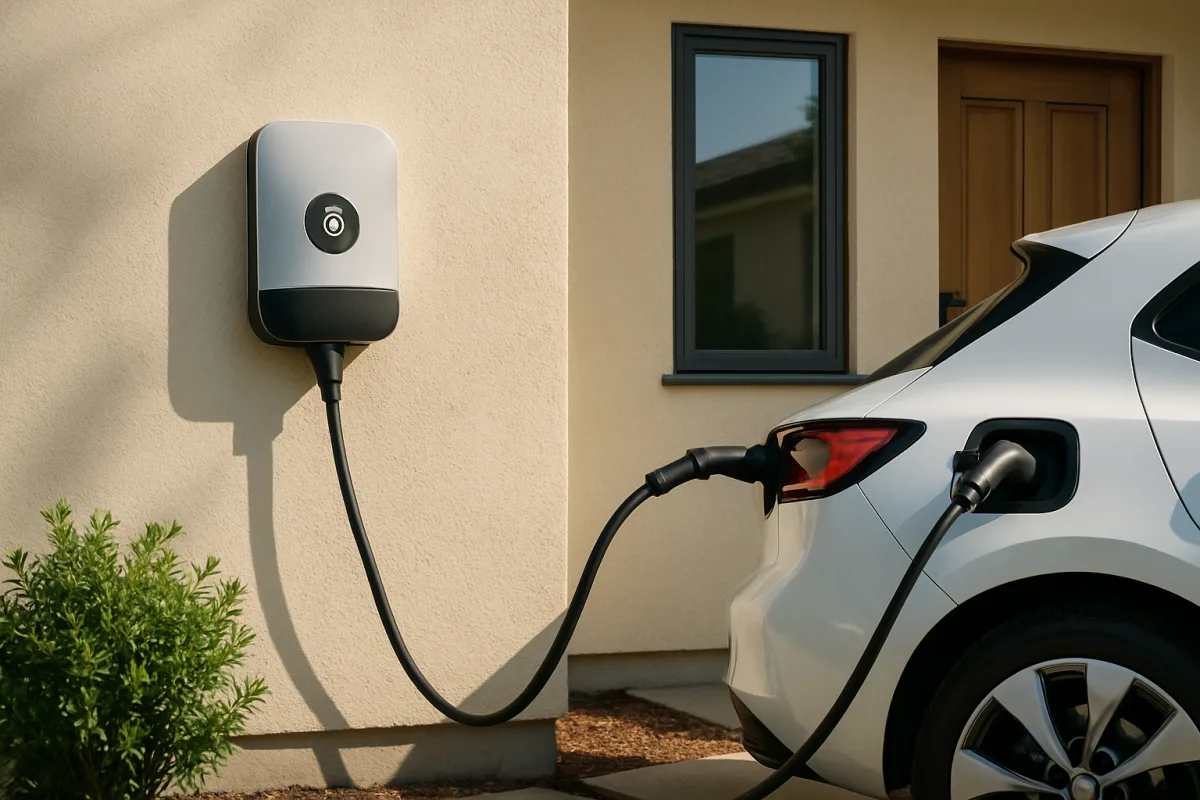
Setting up an EV home charging station typically costs between $500 to $2,000, depending on various factors including the type of charger, installation complexity, and local electrical infrastructure. Level 1 chargers are the most affordable but take longer to charge, while Level 2 chargers are faster and more efficient but come with higher installation costs. Additionally, local incentives and rebates can significantly reduce the overall expense, making it essential to research available options in your area.
Quick Summary
The cost of installing an EV home charging station can vary widely, influenced by charger type, installation complexity, and local incentives. Generally, homeowners can expect to pay between $500 and $2,000. Level 1 chargers are cheaper but slower, while Level 2 chargers offer quicker charging at a higher initial cost. Exploring local rebates can help mitigate expenses, making it vital to assess your specific circumstances before proceeding.
Curator Notes
Installing an EV home charging station is an investment that can significantly enhance the convenience of owning an electric vehicle. The costs involved can range from $500 to $2,000, influenced by several factors. The type of charger you choose is a primary determinant; Level 1 chargers are less expensive but can take up to 24 hours to fully charge a vehicle, making them less practical for daily use.
In contrast, Level 2 chargers, while more costly, can charge a vehicle in just a few hours, making them a more efficient choice for most homeowners. Installation complexity also plays a crucial role in determining the overall cost. If your home’s electrical system is outdated or requires upgrades to handle the additional load, installation costs can rise significantly.
It's advisable to consult with a licensed electrician to assess your current setup and understand any necessary modifications. Local incentives and rebates can dramatically affect the final cost. Many states and local governments offer financial assistance for EV charger installations, which can help offset the initial investment.
Researching available programs in your area can lead to substantial savings, making the installation more financially feasible. Another consideration is the long-term savings associated with home charging. By charging your EV at home, you can often benefit from lower electricity rates compared to public charging stations.
This can lead to significant savings over time, especially for daily commuters. It's also essential to consider the future of EV technology. As battery technology improves, the efficiency and charging speeds of home chargers are likely to evolve.
Investing in a more advanced charger now may provide better long-term value as EVs become more prevalent. Finally, be aware of the potential for hidden costs, such as permits or additional electrical work that may be required during installation. It's crucial to get a detailed estimate from your electrician that outlines all potential costs to avoid surprises later on.
In summary, while the upfront costs of setting up an EV home charging station can seem daunting, careful planning, research into local incentives, and consideration of long-term savings can make it a worthwhile investment for any EV owner.
Recommended Options
- ChargePoint Home Flex: Best for Homeowners looking for a versatile and fast charging solution. Offers adjustable amperage settings and Wi-Fi connectivity for monitoring. Signal checked: Highly rated by users for its performance and ease of use. Alternative to consider: JuiceBox 40 Smart EV Charger
- eMotorWerks JuiceBox 40 Smart EV Charger: Best for Tech-savvy users who want smart features. Includes smart charging features and is compatible with various EVs. Signal checked: Positive reviews for its smart capabilities and user-friendly app. Alternative to consider: Blink HQ 100
- Blink Charging Blink HQ 100: Best for Budget-conscious homeowners. Signal checked: Good reviews for basic functionality without extra costs. Alternative to consider: Level 1 chargers
Best Sources
Videos and Community Signals
So, you just bought an electric vehicle. Congratulations! But now you've got to decide if you should invest in a Level 2 charger.
In this video, When a homeowner grew tired of her Level 1 charger at home, she called the team at Ask This Old House for help.
Comparison
| Decision Point | Good Starting Choice | When to Go Further |
|---|---|---|
| Charger Type | Level 1 charger for basic home use. | Level 2 charger for faster charging. |
| Installation Complexity | Minimal installation for Level 1 chargers. | Professional installation needed for Level 2 chargers. |
| Cost | Lower upfront cost for Level 1 chargers. | Higher initial investment for Level 2 chargers but better long-term value. |
| Charging Speed | Slow charging suitable for overnight use. | Fast charging ideal for daily use. |
| Incentives | Check for local rebates for any charger type. | Maximize savings with Level 2 charger incentives. |
FAQ
The average cost ranges from $500 to $2,000, depending on the charger type and installation needs.
Yes, many local governments and utilities offer rebates and incentives to reduce installation costs.
Charging time varies; Level 1 chargers can take up to 24 hours, while Level 2 chargers typically take a few hours.
Yes, especially for Level 2 chargers, professional installation is recommended to ensure safety and compliance.