Ethernet vs WiFi for Online Gaming
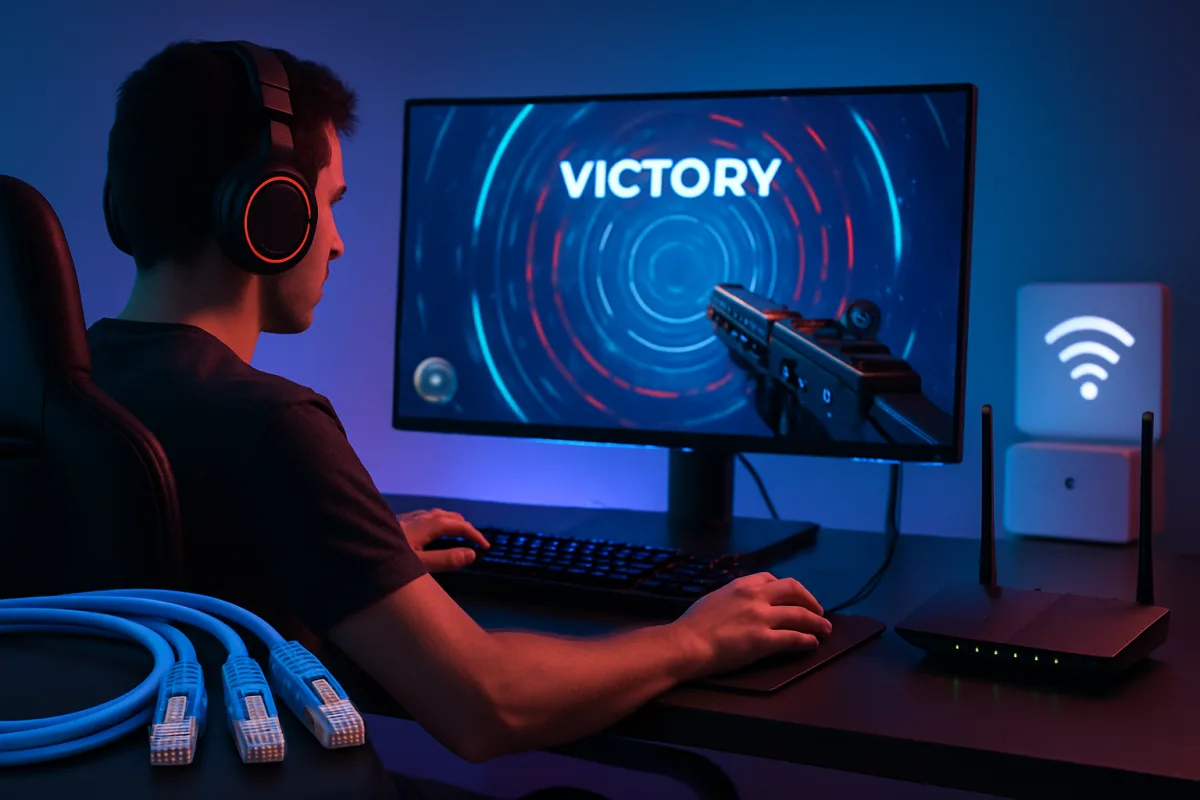
When it comes to online gaming, Ethernet is generally preferred over WiFi due to its stability and lower latency. Ethernet connections provide a direct link to the router, minimizing interference and packet loss, which are critical for real-time gaming. WiFi, while convenient, can suffer from signal degradation and higher latency, especially in crowded environments. However, modern WiFi standards (like WiFi 6) have made significant improvements, making them viable for many gamers.
Quick Summary
Ethernet offers a more stable and faster connection for online gaming compared to WiFi, reducing latency and packet loss. While WiFi is convenient, it may not always provide the same level of performance, especially in busy networks. Understanding the trade-offs between these two options can help gamers make informed decisions based on their specific needs.
Curator Notes
Ethernet connections are often favored for online gaming due to their reliability. A wired connection minimizes interference from other devices and environmental factors, which can lead to a smoother gaming experience. Latency, or the time it takes for data to travel from your device to the game server, is typically lower with Ethernet, making it ideal for fast-paced games where every millisecond counts.
On the other hand, WiFi offers flexibility and ease of setup, allowing gamers to connect multiple devices without the clutter of cables. Recent advancements in WiFi technology, particularly with WiFi 6, have improved speed and reliability, making it a more viable option for gaming. However, users may still experience issues such as signal dropouts and increased latency, particularly in homes with multiple users or devices competing for bandwidth.
Ultimately, the choice between Ethernet and WiFi for online gaming will depend on individual circumstances, including the layout of your home, the number of devices connected, and your gaming habits. For serious gamers, a wired connection is usually the best choice, while casual gamers may find WiFi sufficient for their needs.
Recommended Options
- Netgear Nighthawk RAX200: Best for Gamers needing high-speed WiFi Supports WiFi 6, offering faster speeds and better performance in crowded networks. Signal checked: Highly rated for gaming performance with advanced QoS features. Alternative to consider: Asus RT-AX88U
- TP-Link Archer AX6000: Best for Large homes with multiple devices Dual-band with robust performance and extensive coverage. Signal checked: Consistently receives positive reviews for its range and speed. Alternative to consider: Linksys MR9600
- Cat6 Ethernet Cable: Best for Gamers looking for reliable wired connections Signal checked: Widely recommended for gaming setups. Alternative to consider: Cat7 Ethernet Cable
Best Sources
Videos and Community Signals
Wi-Fi vs ethernet gaming. Does it really make any difference? What you need to know if using Wi-Fi for online gaming. The real ...
Everyone knows that WiFi is bad for online gaming, but is it really? Articles online were largely inconclusive and I knew I needed ...
Comparison
| Decision Point | Good Starting Choice | When to Go Further |
|---|---|---|
| Connection Type | WiFi for convenience and mobility | Ethernet for stability and low latency |
| Latency | Higher latency acceptable for casual gaming | Low latency essential for competitive gaming |
| Interference | WiFi can handle moderate interference | Ethernet avoids interference entirely |
| Setup Complexity | WiFi is easier to set up and manage | Ethernet requires more setup but offers better performance |
FAQ
WiFi can be sufficient for casual gaming, especially with modern routers, but Ethernet is generally better for competitive gaming.
Cat6 or Cat7 cables are recommended for gaming due to their high speed and low interference.
Yes, some setups allow for both, but prioritize Ethernet for the best performance.