Ethereum Layer 2 Projects
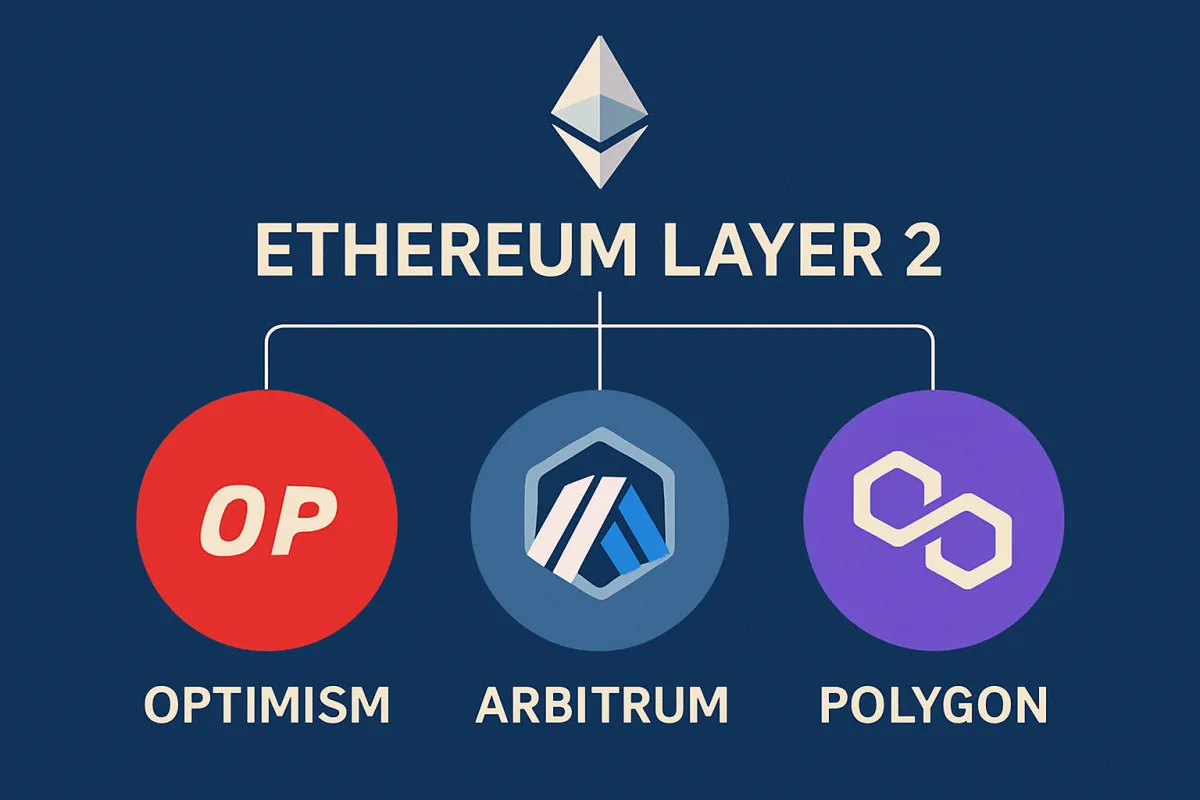
Ethereum Layer 2 projects are designed to enhance the scalability and efficiency of the Ethereum blockchain. Key players include Optimism, Arbitrum, and Polygon. Optimism focuses on simplicity and user experience, making it ideal for developers looking to deploy dApps quickly. Arbitrum offers robust security features, appealing to projects requiring high transaction integrity. Polygon stands out for its extensive ecosystem and support for various scaling solutions, making it suitable for diverse applications. Each option has unique strengths, allowing users to choose based on their specific needs and project goals.
Quick Summary
Ethereum Layer 2 projects are crucial for scaling the Ethereum network, addressing issues like high gas fees and slow transaction times. Notable options include Optimism, Arbitrum, and Polygon, each catering to different needs. Optimism excels in user-friendly deployment, Arbitrum prioritizes security, and Polygon offers a versatile ecosystem. Understanding these distinctions can help developers select the right platform for their projects, ensuring better performance and user experience.
Curator Notes
Ethereum Layer 2 solutions are essential for enhancing the scalability of the Ethereum blockchain. As the demand for decentralized applications (dApps) grows, the limitations of Ethereum's base layer become increasingly apparent, particularly in terms of transaction speed and cost. Layer 2 projects aim to alleviate these issues by processing transactions off-chain while still benefiting from the security of the Ethereum mainnet.
Optimism is one of the leading Layer 2 solutions, known for its simplicity and focus on user experience. It utilizes optimistic rollups, which allow for faster transactions by assuming transactions are valid unless proven otherwise. This makes it an excellent choice for developers looking to deploy dApps quickly without getting bogged down by complex protocols.
Arbitrum, on the other hand, emphasizes security and integrity. It also employs optimistic rollups but includes additional features to enhance transaction verification. This makes it particularly appealing for projects that prioritize security and require a high level of trust in their transaction processes.
Developers may find Arbitrum's robust security features beneficial for applications involving significant financial transactions. Polygon stands out for its extensive ecosystem, offering a variety of scaling solutions beyond just Layer 2. It supports sidechains and hybrid solutions, making it versatile for different types of applications.
This flexibility allows developers to choose the best scaling method for their specific needs, whether they require high throughput or lower costs. When selecting a Layer 2 solution, it's crucial to consider the specific requirements of your project. For instance, if rapid deployment is a priority, Optimism may be the best fit.
If security is paramount, Arbitrum could be the preferred choice. For projects that need flexibility and a wide range of tools, Polygon offers a comprehensive platform. In addition to these options, developers should also keep an eye on emerging Layer 2 solutions and updates within the Ethereum ecosystem.
The landscape is rapidly evolving, and new projects may offer innovative features that could better suit specific needs. Staying informed about the latest developments will help ensure that your project remains competitive and efficient. Ultimately, the choice of a Layer 2 solution should align with your project's goals, user experience expectations, and the technical requirements of your dApp.
Each option has its strengths and trade-offs, making it essential to evaluate them carefully before making a decision.
Recommended Options
- Optimism: Best for Developers seeking quick deployment of dApps User-friendly interface and fast transaction speeds Signal checked: Widely adopted by various dApps for its simplicity Alternative to consider: Arbitrum for enhanced security
- Arbitrum: Best for Projects requiring high transaction integrity Robust security features and strong verification processes Signal checked: Used by many high-value DeFi projects Alternative to consider: Optimism for faster deployment
- Polygon: Best for Projects needing a versatile ecosystem Offers multiple scaling solutions and a large developer community Signal checked: Strong partnerships and extensive dApp ecosystem Alternative to consider: Optimism for simpler use cases
Best Sources
Videos and Community Signals
Everyone's looking at Ethereum for the next bull run… but the real explosive gains might come from its Layer 2 projects. In this ...
Highly simplified summary of layer-2 scaling solutions on Ethereum. #shorts ---------------------------------------------------- All Exchanges ...
Comparison
| Decision Point | Good Starting Choice | When to Go Further |
|---|---|---|
| Deployment Speed | Optimism for quick dApp launches | Arbitrum for projects needing thorough security checks |
| Security | Optimism for general use cases | Arbitrum for high-value transactions requiring trust |
| Ecosystem Support | Polygon for diverse applications | Polygon for extensive tools and community resources |
FAQ
Ethereum Layer 2 projects enhance the scalability and efficiency of the Ethereum blockchain by processing transactions off-chain.
Consider your project's specific needs, such as deployment speed, security requirements, and ecosystem support.
Yes, most Layer 2 solutions like Arbitrum and Optimism utilize advanced security measures to ensure transaction integrity.