Estimated Quarterly Taxes Guide
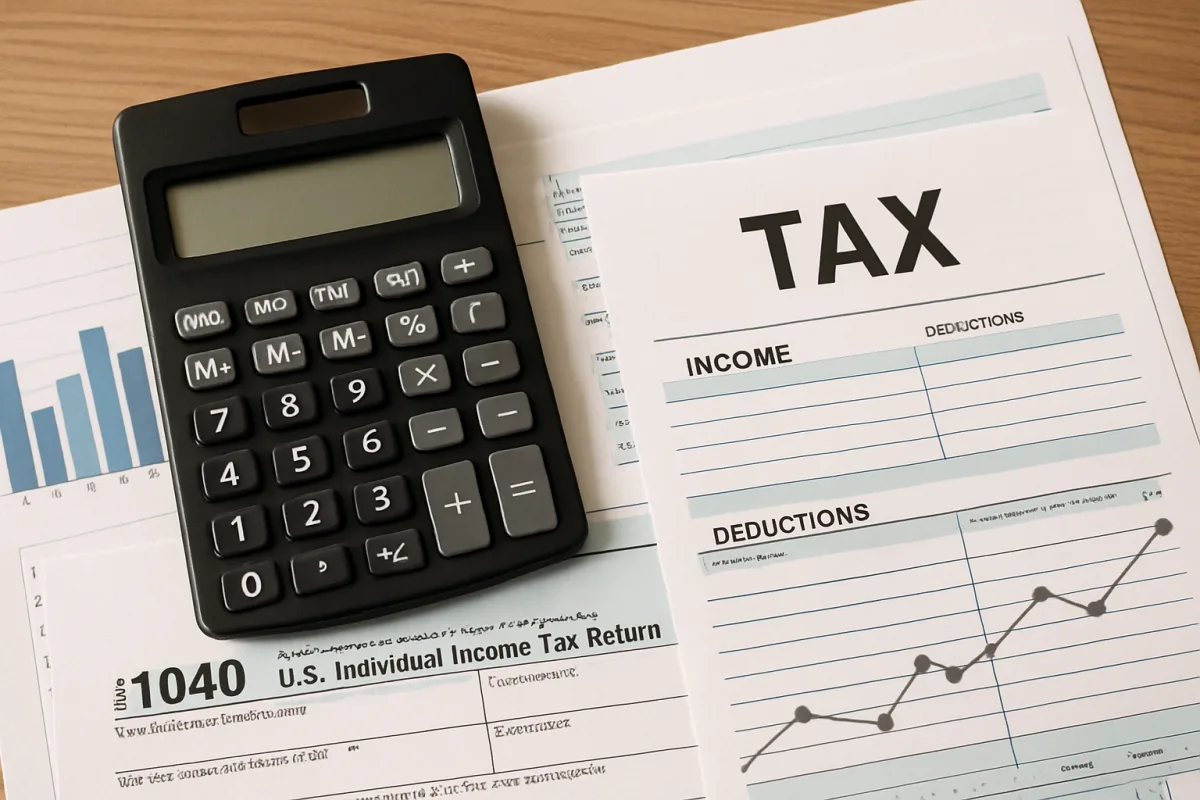
Estimated quarterly taxes are payments made to the IRS by self-employed individuals and businesses to cover their expected tax liabilities throughout the year. These payments are typically due four times a year and are based on your estimated annual income. To calculate your estimated taxes, you can use IRS Form 1040-ES, which provides worksheets to help determine your expected income and tax liability. It's essential to keep accurate records of your income and expenses to ensure you're paying the correct amount.
Quick Summary
This guide provides essential information on estimated quarterly taxes, including how to calculate them, payment deadlines, and tips for self-employed individuals and businesses. Understanding these taxes is crucial for avoiding penalties and managing your finances effectively throughout the year.
Curator Notes
Estimated quarterly taxes are crucial for self-employed individuals and businesses to manage their tax liabilities effectively. Unlike traditional employees, who have taxes withheld from their paychecks, self-employed individuals must estimate their tax obligations and pay them directly to the IRS. This process typically involves calculating your expected annual income and determining the appropriate tax rate based on that income.
The IRS provides Form 1040-ES, which includes worksheets to assist in these calculations. Payments are generally due four times a year: April 15, June 15, September 15, and January 15 of the following year. Failing to pay estimated taxes on time can result in penalties and interest.
Therefore, it’s advisable to keep detailed records of your income and expenses throughout the year to ensure accurate calculations. Additionally, if your income fluctuates significantly, you may need to adjust your estimates accordingly to avoid underpayment. To simplify the process, consider using accounting software or consulting with a tax professional.
These resources can help you navigate the complexities of estimated taxes and ensure compliance with IRS regulations. By staying organized and proactive, you can manage your estimated quarterly taxes effectively and avoid unexpected financial burdens.
Best Sources
Videos and Community Signals
Quarterly estimated tax payments come as a surprise to many first-time self employed business owners. When you don't have an ...
Calculating your quarterly taxes as a business owner can be quite difficult. Here are some tips and methods you can utilize to do ...
Comparison
| Decision Point | Good Starting Choice | When to Go Further |
|---|---|---|
| Payment Frequency | Quarterly payments are standard for most self-employed individuals. | Consider annual payments if your income is stable and predictable. |
| Calculation Method | Use IRS Form 1040-ES for a straightforward estimation. | Consult a tax professional for complex income situations. |
| Record Keeping | Maintain basic records of income and expenses. | Utilize accounting software for detailed tracking and reporting. |
FAQ
Missing a payment can result in penalties and interest charges. It's important to pay as soon as possible to minimize these costs.
Yes, you can adjust your payments if your income changes significantly. It's advisable to recalculate your estimates regularly.
Yes, self-employed individuals can deduct business expenses, which can lower your taxable income and estimated tax payments.