Engine Oil Types Explained
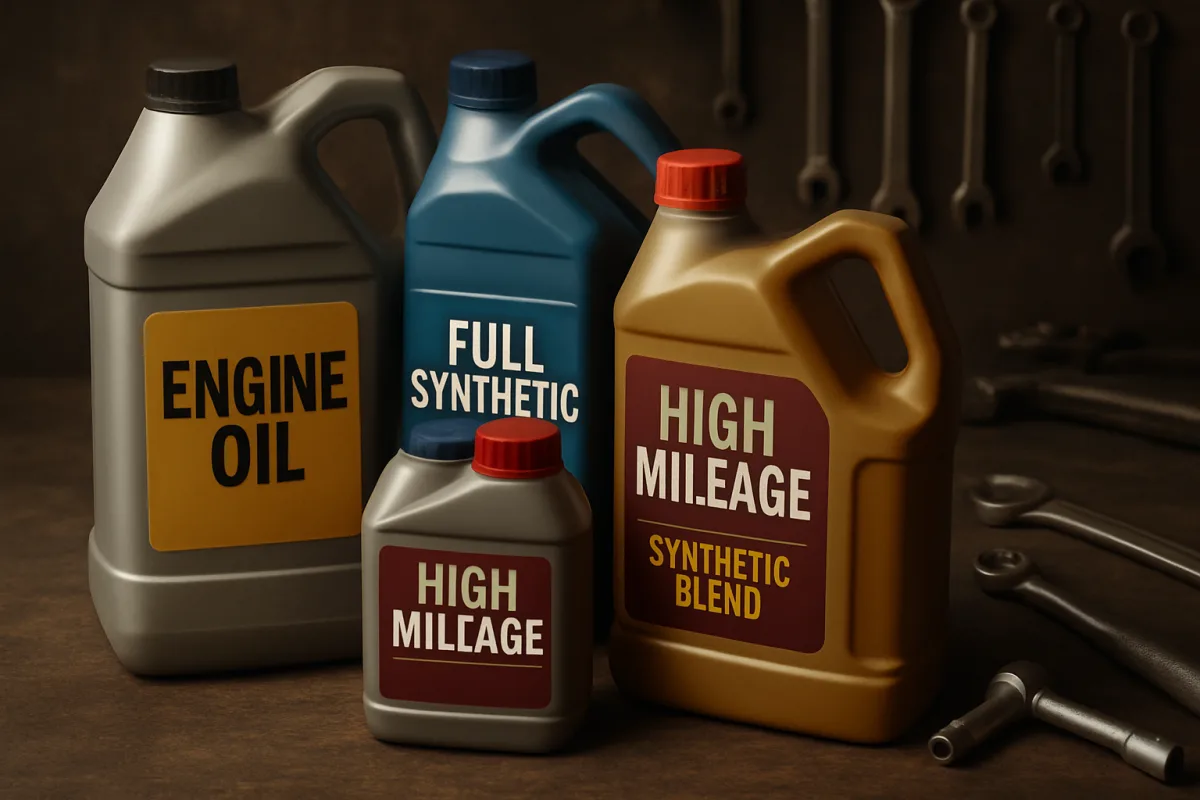
Engine oil types can be broadly categorized into conventional, synthetic, and synthetic blend oils. Conventional oils are derived from crude oil and are suitable for older engines. Synthetic oils are chemically engineered for better performance and protection, making them ideal for modern engines. Synthetic blends offer a middle ground, combining both types for enhanced protection and performance. Choosing the right oil depends on your vehicle's requirements, driving conditions, and manufacturer recommendations.
Quick Summary
Understanding engine oil types is crucial for maintaining vehicle performance. The main categories include conventional, synthetic, and synthetic blend oils, each with unique benefits. Conventional oils are best for older vehicles, while synthetic oils are designed for high-performance engines. Synthetic blends provide a compromise between cost and protection. This guide will help you choose the right oil for your needs.
Curator Notes
Engine oils play a vital role in the performance and longevity of your vehicle's engine. The three primary types of engine oil are conventional, synthetic, and synthetic blends. Conventional oils are derived from crude oil and are suitable for older engines that do not require the advanced properties of synthetic oils.
They are generally less expensive but may not provide the same level of protection under extreme conditions. Synthetic oils, on the other hand, are engineered from chemical compounds to offer superior performance. They provide better lubrication, higher resistance to breakdown, and improved fuel efficiency.
This makes them ideal for modern engines that operate under more demanding conditions. However, they tend to be more expensive than conventional oils. Synthetic blends combine the benefits of both conventional and synthetic oils.
They offer enhanced protection and performance at a lower cost than full synthetic oils. This makes them a popular choice for drivers looking for a balance between price and performance. Ultimately, the best choice depends on your vehicle's specifications, driving habits, and environmental conditions.
Recommended Options
- Mobil 1 Extended Performance: Best for high-performance vehicles Offers excellent protection and performance under extreme conditions. Signal checked: Highly rated by users and experts for its longevity and performance. Alternative to consider: Castrol EDGE Full Synthetic
- Castrol GTX MAGNATEC: Best for daily drivers and older vehicles Features intelligent molecules that cling to engine parts for added protection. Signal checked: Popular among consumers for its affordability and effectiveness. Alternative to consider: Valvoline Daily Protection
- Valvoline Advanced Full Synthetic: Best for drivers in extreme temperatures Provides excellent protection in both hot and cold weather. Signal checked: Well-reviewed for its performance in various driving conditions. Alternative to consider: Pennzoil Platinum
Best Sources
Videos and Community Signals
Engines are built to use a motor oil of a specific viscosity. Find out what the different viscosity ratings mean in this video. #AMSOIL ...
Can thin motor oils protect your engine? Sponsored by Mobil 1 motor oil – Visit AutoZone to find the right Mobil 1 motor oil for you: ...
Comparison
| Decision Point | Good Starting Choice | When to Go Further |
|---|---|---|
| Oil Type | Conventional oil for older engines | Synthetic oil for high-performance needs |
| Cost | Lower cost for conventional oils | Higher investment for synthetic oils with better protection |
| Performance | Adequate for standard driving conditions | Superior performance in extreme conditions with synthetic oils |
FAQ
Synthetic oil is chemically engineered for better performance, while conventional oil is derived from crude oil and is suitable for older engines.
It is generally recommended to change your engine oil every 5,000 to 7,500 miles, but always refer to your vehicle's manual for specific guidelines.