Emergency Fund Paycheck Guide
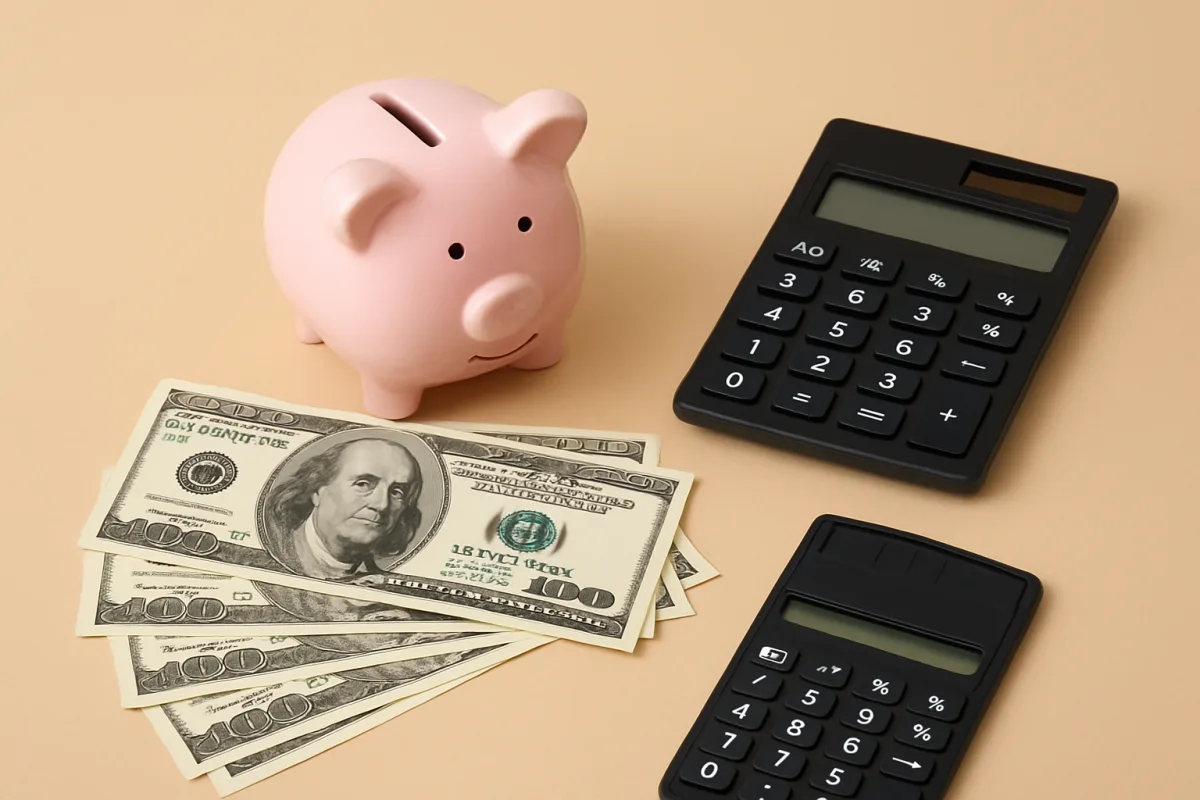
Building an emergency fund is a crucial step in personal finance, helping you prepare for unexpected expenses. A good rule of thumb is to save three to six months' worth of living expenses. Start by assessing your monthly costs, then set a realistic savings goal. Automate your savings by setting up a dedicated account and transferring a portion of each paycheck. This approach not only builds your fund but also instills discipline in your financial habits. Remember, the key is consistency and patience, as it takes time to reach your goal.
Quick Summary
An emergency fund is essential for financial stability, serving as a safety net for unexpected expenses. To create one, calculate your monthly living costs and aim to save three to six months' worth. Automate your savings to make the process easier and more consistent. This guide provides actionable steps to help you build your emergency fund effectively, ensuring you're prepared for financial surprises without derailing your budget.
Curator Notes
Establishing an emergency fund is a foundational aspect of personal finance that can significantly reduce stress during unexpected situations. The first step is to determine how much money you need to cover your essential expenses for three to six months. This figure should include rent or mortgage, utilities, groceries, transportation, and any other necessary bills.
By having a clear target, you can create a more focused savings plan. Once you have a target amount, consider setting up a separate savings account specifically for your emergency fund. This helps to keep your savings distinct from your everyday spending money, reducing the temptation to dip into it for non-emergencies.
Look for high-yield savings accounts that offer better interest rates, allowing your money to grow while remaining accessible. Automating your savings can also streamline the process. Set up a direct deposit from your paycheck into your emergency fund account.
This way, you won't have to think about it, and you'll be less likely to skip a month. Even small, consistent contributions can add up over time, making it easier to reach your goal without feeling overwhelmed. It's important to regularly review your emergency fund as your financial situation changes.
If you receive a raise, consider increasing your contributions. Conversely, if you face financial difficulties, it’s okay to pause contributions temporarily. The goal is to maintain a balance that feels manageable and sustainable.
Many people underestimate the importance of having an emergency fund, often believing they can rely on credit cards or loans in a pinch. However, this can lead to debt accumulation and financial strain. An emergency fund provides peace of mind, allowing you to handle unexpected expenses without resorting to high-interest debt.
Lastly, remember that building an emergency fund is a marathon, not a sprint. It requires discipline and commitment, but the financial security it provides is invaluable. Celebrate milestones along the way, whether it’s saving your first $1,000 or reaching your ultimate goal.
This positive reinforcement can keep you motivated. In summary, prioritize building your emergency fund by setting clear goals, automating your savings, and regularly reviewing your progress. With time and consistency, you'll create a financial cushion that can help you navigate life's uncertainties with confidence.
Best Sources
Videos and Community Signals
In this video, I'll teach you my 12-week plan to RESET your finances. This should take you about 90 days. Let me know if you ...
Make sure to do this every time AFTER you get paid. This is a great paycheck budget routine, ritual and habit. It's what I did in the ...
Comparison
| Decision Point | Good Starting Choice | When to Go Further |
|---|---|---|
| Online booking | A simple booking page with service duration, staff assignment and confirmation emails. | Multi-location calendars, deposits, cancellation rules and waitlist handling. |
| Client records | Basic notes, visit history and contact details are enough to start. | Segmentation, purchase history, memberships, forms and before-after notes become more important. |
| Reminders | SMS or email reminders help reduce no-shows without adding admin work. | Automated rebooking, follow-up campaigns and missed-appointment recovery matter more. |
| Payments | Card capture and checkout should be simple and transparent. | Packages, memberships, staff commissions, tips and refunds need cleaner reporting. |
| Marketing | Light email or SMS campaigns are useful if they are easy to run. | Automated win-back, birthday offers, review requests and audience segments create more leverage. |
FAQ
Aim to save three to six months' worth of living expenses to cover unexpected costs.
A high-yield savings account is ideal, as it offers easy access and better interest rates.
It's best to reserve your emergency fund for true emergencies to maintain financial stability.
Set up a direct deposit from your paycheck into a separate savings account designated for emergencies.
If you withdraw from your fund, aim to replenish it as soon as possible to maintain your financial safety net.