Dog Training Methods Compared
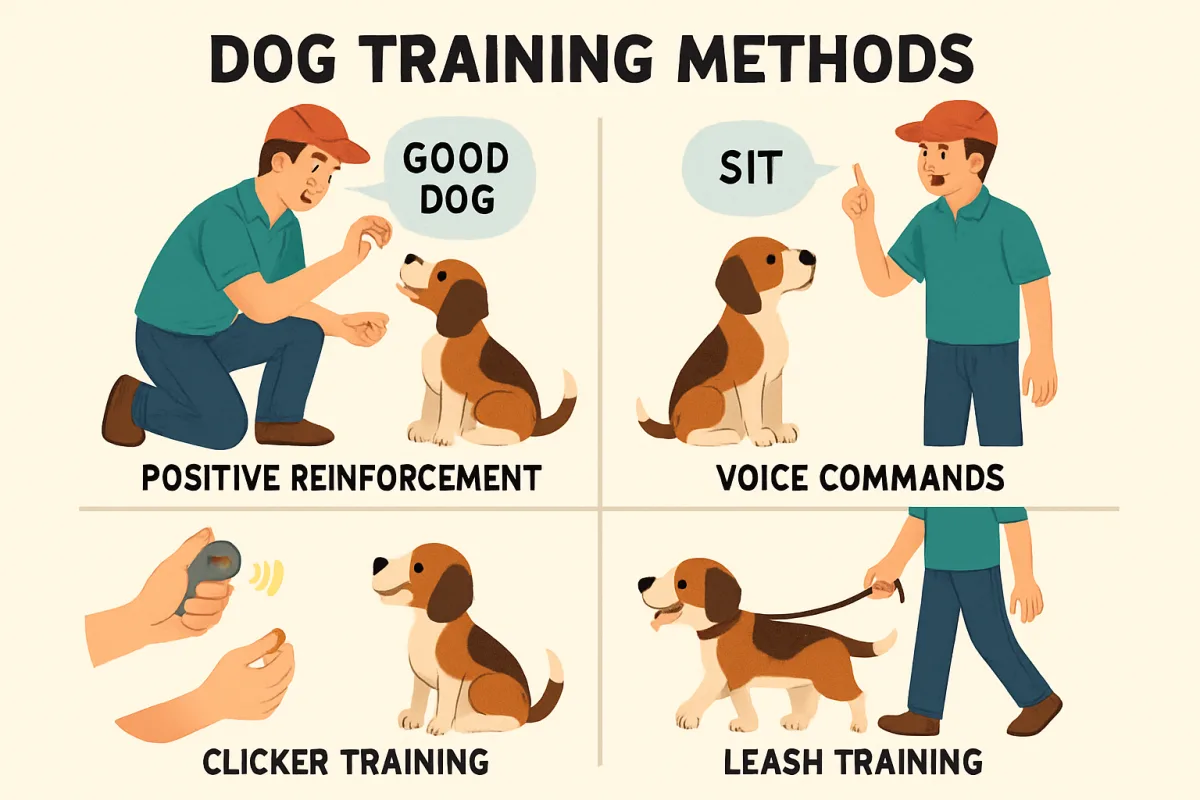
Dog training methods vary widely, but the most common include positive reinforcement, clicker training, and dominance training. Positive reinforcement is favored for its effectiveness and humane approach, while clicker training provides clear communication. Dominance training, though popular in the past, is increasingly criticized for its potential to harm the dog-owner relationship. Each method has its pros and cons, making it essential to choose one that aligns with your dog's personality and your training goals.
Quick Summary
This guide compares various dog training methods, focusing on positive reinforcement, clicker training, and dominance training. Each method has unique advantages and disadvantages, influencing their effectiveness based on the dog's temperament and the owner's goals. Understanding these differences can help you select the most suitable approach for your training needs.
Curator Notes
Dog training methods can significantly impact the relationship between a dog and its owner. Positive reinforcement, which involves rewarding desired behaviors, is widely regarded as the most effective and humane method. It fosters a trusting relationship and encourages dogs to learn through motivation rather than fear.
This method is particularly beneficial for puppies and dogs with anxiety or fear issues, as it builds confidence and strengthens the bond between dog and owner. Clicker training is a specific form of positive reinforcement that uses a clicker to mark desired behaviors, followed by a reward. This method provides clear communication and can accelerate the learning process.
It's especially useful for teaching complex commands or tricks, as the click sound helps the dog understand exactly what behavior is being rewarded. On the other hand, dominance training is based on the idea of establishing a hierarchy between the dog and owner. While it was once a popular method, it has come under scrutiny for potentially leading to fear-based responses and damaging the trust between the dog and owner.
Many trainers now advocate for more positive approaches, emphasizing the importance of understanding canine behavior and communication. Ultimately, the best training method depends on the individual dog and the owner's training goals. A combination of techniques may also be effective, allowing for a more tailored approach to each dog's needs.
Recommended Options
- Karen Pryor Academy Training: Best for Dog owners seeking structured training programs Offers comprehensive courses on positive reinforcement and clicker training. Signal checked: Highly rated by graduates for its effective teaching methods. Alternative to consider: Local dog training classes
- The Monks of New Skete Dog Training Book: Best for Owners looking for a detailed guide on various training methods Combines traditional and modern training techniques with a focus on understanding dog behavior. Signal checked: Well-reviewed and recommended by dog trainers. Alternative to consider: The Culture Clash by Jean Donaldson
- PetSafe Clicker Training Kit: Best for Owners wanting to implement clicker training at home Signal checked: Popular among dog training communities for its effectiveness. Alternative to consider: Other clicker training kits
Best Sources
Videos and Community Signals
Training your dog should be a priority, giving your dog rules and boundaries is so key to having a successful relationship with ...
shorts #dog #dogtraining This link will give you access to all of our socials, online courses, training tips and equipment ...
Comparison
| Decision Point | Good Starting Choice | When to Go Further |
|---|---|---|
| Training Method | Positive Reinforcement: Best for building trust and motivation. | Clicker Training: Ideal for precise communication and complex commands. |
| Effectiveness | Positive Reinforcement: Generally effective for most dogs. | Dominance Training: May work for some but risks damaging the relationship. |
| Ease of Use | Positive Reinforcement: Simple to implement with treats. | Clicker Training: Requires practice to master timing. |
FAQ
The best method varies by dog and owner, but positive reinforcement is widely recommended for its effectiveness and humane approach.
Yes, combining methods can be effective, especially if tailored to your dog's needs.
It can be harmful if it leads to fear or aggression; positive methods are generally preferred.