Dog Socialization Tips for Shy Dogs
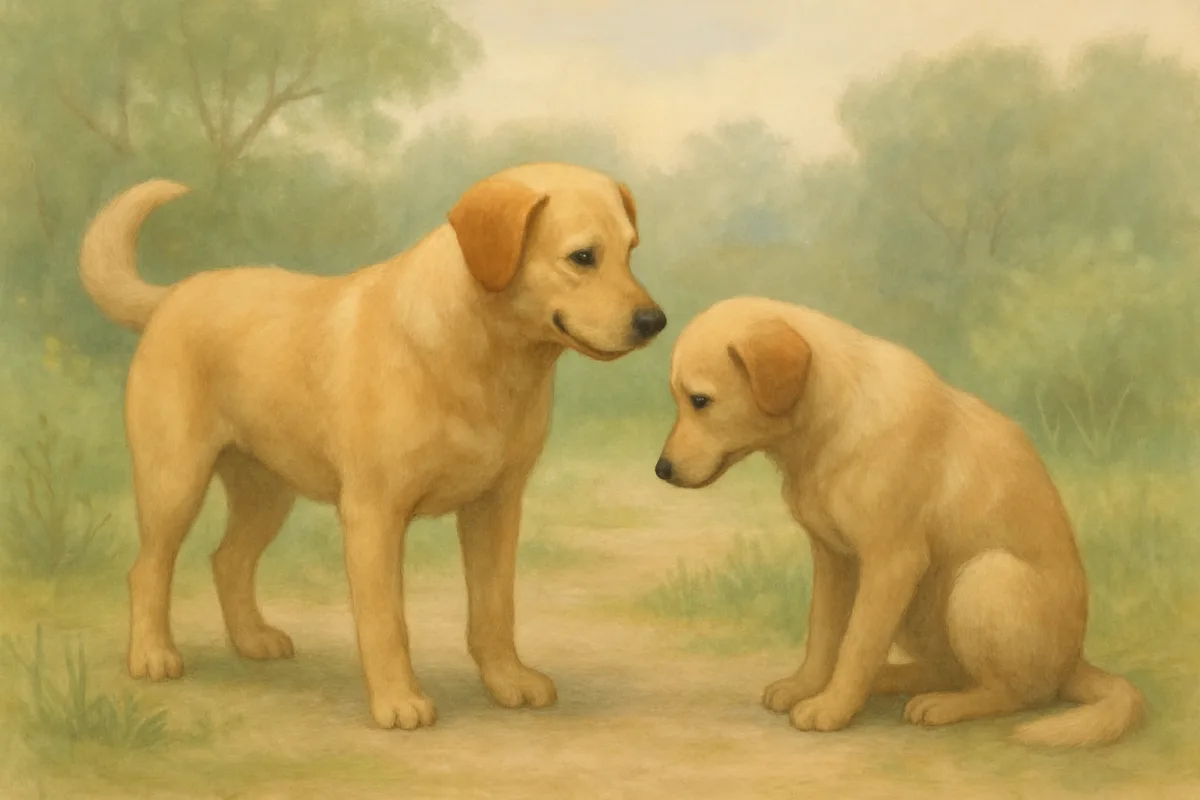
Socializing a shy dog requires patience and a structured approach. Start by creating a safe environment where your dog feels secure. Gradually introduce them to new experiences, people, and other dogs at their own pace. Use positive reinforcement, such as treats and praise, to encourage confident behavior. Consider enrolling in a training class or seeking guidance from a professional trainer specializing in shy or fearful dogs.
Quick Summary
Helping shy dogs socialize can be challenging but rewarding. Begin by ensuring your dog feels safe and secure. Gradually expose them to new experiences while using positive reinforcement techniques. Professional guidance can also be beneficial in this journey.
Curator Notes
Socializing a shy dog is a gradual process that requires understanding and patience. First, it's essential to create a safe space for your dog. This could be a quiet room in your home where they can retreat when feeling overwhelmed.
Familiarizing them with their environment helps build confidence before introducing new stimuli. Next, start with low-stress interactions. This could involve short walks in quiet areas or inviting a calm, friendly dog over for a brief visit.
Always allow your dog to approach at their own pace. Use treats and praise to reward positive interactions, reinforcing their confidence. Over time, gradually increase the complexity of social situations, ensuring that each experience is positive.
Additionally, consider enrolling your dog in a training class designed for shy or fearful dogs. Professional trainers can provide tailored strategies and support, helping both you and your dog navigate socialization challenges effectively. Remember, every dog is unique, and progress may vary, so be patient and celebrate small victories along the way.
Recommended Options
- PetSafe Easy Walk Harness: Best for Dogs that pull on the leash This harness discourages pulling and provides better control during walks, making outings less stressful for shy dogs. Signal checked: Highly rated by pet owners for its effectiveness and comfort. Alternative to consider: Freedom No-Pull Harness
- Thundershirt Classic Dog Anxiety Jacket: Best for Dogs with anxiety during social situations Provides gentle, constant pressure that can help calm anxious dogs. Signal checked: Widely recommended by veterinarians and trainers. Alternative to consider: Anxiety Wrap
- Petco Positive Reinforcement Training Classes: Best for Owners seeking professional guidance Offers structured classes specifically designed for shy or fearful dogs. Signal checked: Positive reviews from dog owners who have seen improvements in their pets. Alternative to consider: Local dog training schools
Best Sources
Videos and Community Signals
Here I share with you 5 EASY ways for you to build confidence in your fearful, anxious dog! Some dogs are predisposed to anxiety ...
Should your dog be friendly all the time? Proper dog training takes guidance and leadership, and so does socializing your dog.
Comparison
| Decision Point | Good Starting Choice | When to Go Further |
|---|---|---|
| Training method | Positive reinforcement techniques | Behavior modification strategies with professional guidance |
| Socialization environment | Familiar, low-stress settings | Controlled group settings with other dogs and people |
| Support resources | Online tutorials and articles | In-person training classes with certified trainers |
FAQ
The time varies by dog, but it can take weeks to months. Consistency and patience are key.
Consult a professional trainer immediately to address aggressive behavior safely.
Yes, start with familiar people and gradually introduce new experiences in a controlled environment.