Dog Brushes for Different Coat Types
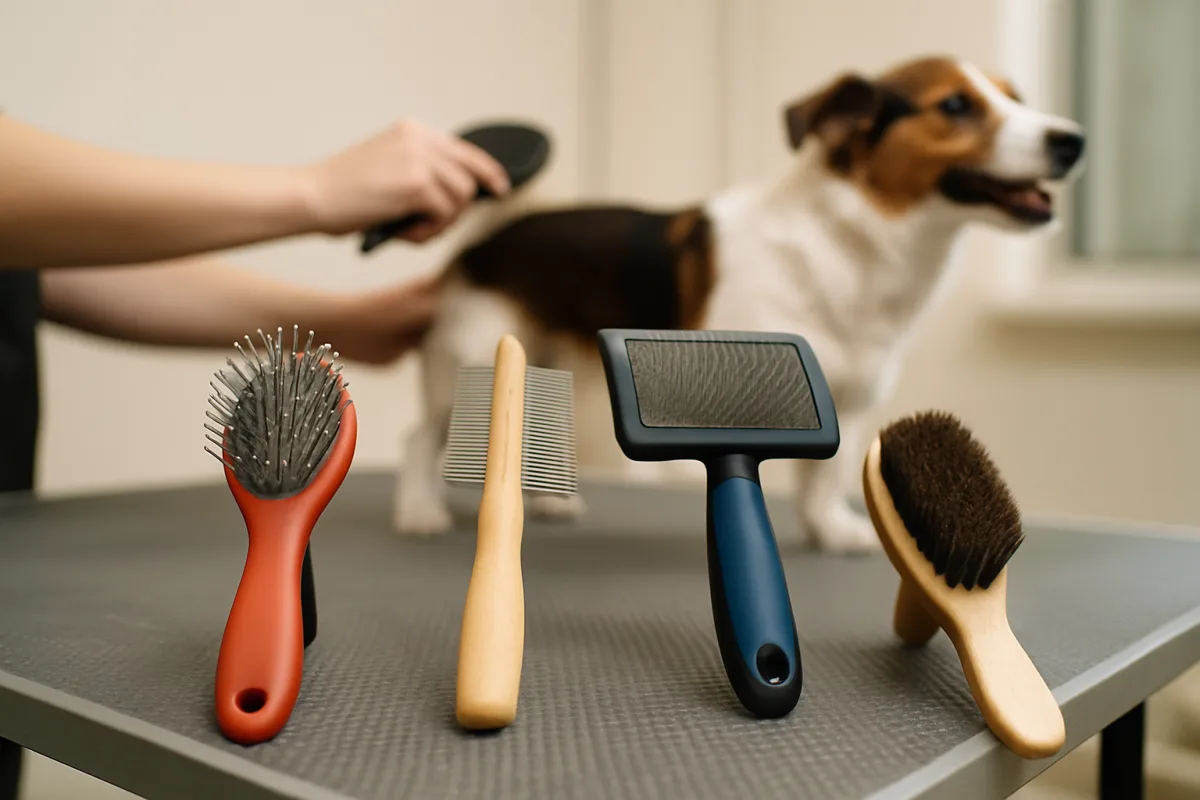
Choosing the right dog brush depends on your dog's coat type. For short-haired dogs, a bristle brush is effective for removing loose hair and distributing oils. Long-haired breeds benefit from a slicker brush to detangle and remove mats. Double-coated dogs require an undercoat rake to manage shedding. Each brush type serves a unique purpose, ensuring your dog's coat remains healthy and well-groomed.
Quick Summary
Selecting the appropriate brush for your dog's coat type is essential for maintaining their coat health. Short-haired dogs typically need bristle brushes, while long-haired breeds benefit from slicker brushes. Double-coated dogs require undercoat rakes. Understanding these differences helps in choosing the best grooming tool for your pet.
Curator Notes
Dog grooming is crucial for maintaining your pet's coat health, and selecting the right brush is a key part of this process. Short-haired dogs, such as Beagles or Boxers, usually require a bristle brush. This type of brush effectively removes loose hair and helps distribute natural oils, promoting a shiny coat.
It's easy to use and perfect for regular grooming sessions to keep shedding in check. For long-haired breeds like Golden Retrievers or Shih Tzus, a slicker brush is ideal. This brush features fine, bent wires that can penetrate deep into the coat, helping to detangle and remove mats.
Regular use of a slicker brush can prevent painful tangles and keep the coat looking its best. Lastly, double-coated breeds, such as Huskies or German Shepherds, benefit from an undercoat rake. This tool is designed to reach the dense undercoat, effectively removing loose fur and minimizing shedding during seasonal changes.
Understanding your dog's specific grooming needs will not only keep their coat healthy but also enhance your bond through regular grooming sessions. Always consider your dog's comfort and choose brushes that suit their coat type for optimal results.
Recommended Options
- Hertzko Slicker Brush: Best for Long-haired breeds Features fine, bent wires that effectively detangle and remove mats. Signal checked: Highly rated on Amazon with thousands of positive reviews. Alternative to consider: FURminator deShedding Tool
- Pet Necks Undercoat Rake: Best for Double-coated breeds Designed specifically to reach the undercoat, reducing shedding. Signal checked: Recommended by professional groomers and dog trainers. Alternative to consider: GoPets Dematting Comb
- PetFusion Bristle Brush: Best for Short-haired breeds Gentle bristles that effectively distribute oils and remove loose hair. Signal checked: Well-reviewed for its ergonomic design and effectiveness. Alternative to consider: Earth Rated Dog Brush
Best Sources
Videos and Community Signals
Using the correct dog grooming combs helps make your job easier and gives your comb a longer life. The 50:50 comb is a great ...
There are many shapes, sizes, and bristle types to choose from when searching for the right brush for your dog. In this video, I will ...
Comparison
| Decision Point | Good Starting Choice | When to Go Further |
|---|---|---|
| Coat Type | Short-haired dogs | Long-haired or double-coated dogs |
| Brush Type | Bristle brush for easy grooming | Slicker or undercoat rake for thorough grooming |
| Frequency of Grooming | Weekly for short-haired breeds | Daily for long-haired or double-coated breeds |
FAQ
Short-haired dogs typically need brushing once a week, while long-haired and double-coated breeds may require daily grooming.
It depends on your dog's coat type: bristle brushes for short hair, slicker brushes for long hair, and undercoat rakes for double coats.
It's not recommended as human brushes may not effectively address the specific needs of a dog's coat.