DLSS 4 vs FSR 4 vs XeSS Compared
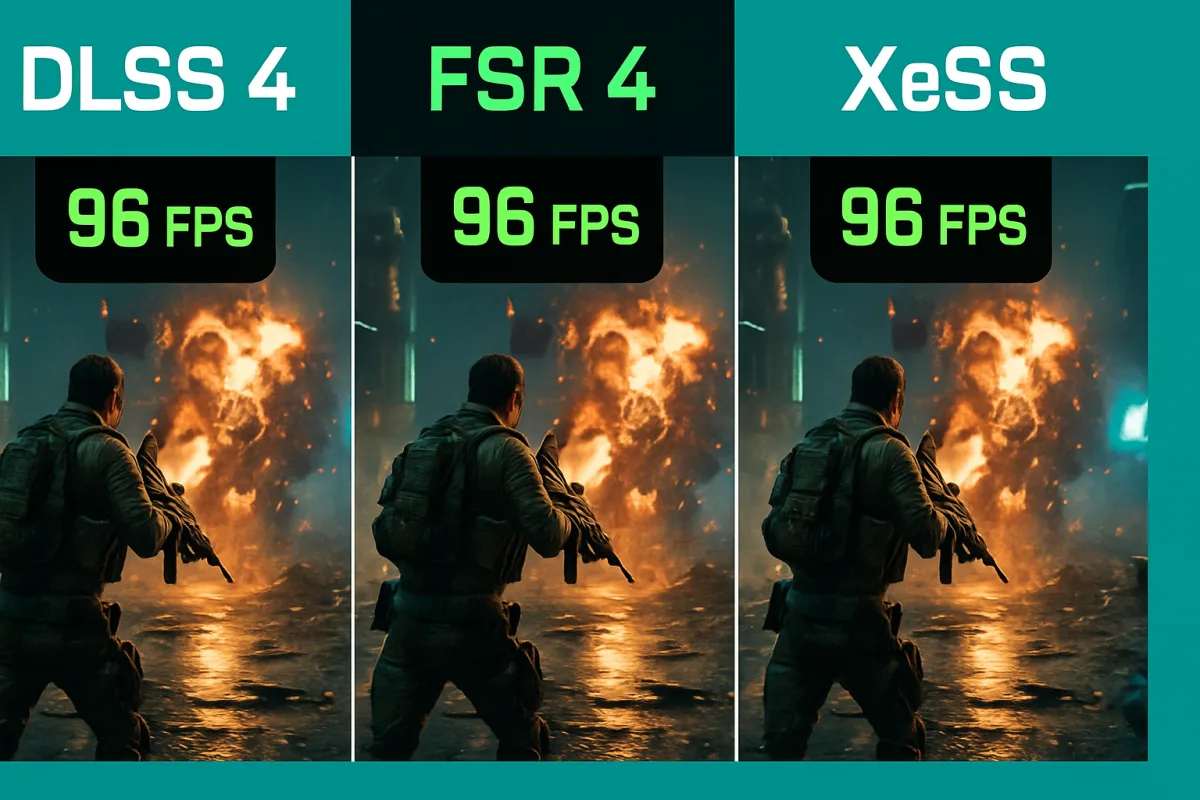
DLSS 4, FSR 4, and XeSS are advanced upscaling technologies used in gaming to enhance performance and visual fidelity. DLSS 4, developed by NVIDIA, leverages AI to upscale lower-resolution images while maintaining high-quality visuals. FSR 4, from AMD, is an open-source alternative that aims to provide similar benefits without requiring specific hardware. XeSS, Intel's offering, focuses on integrating AI with its own hardware architecture. Each has its strengths and ideal use cases depending on the hardware and gaming preferences.
Quick Summary
This comparison explores DLSS 4, FSR 4, and XeSS, three leading upscaling technologies in gaming. Each technology offers unique advantages and is suited for different hardware setups, impacting performance and visual quality. Understanding these differences can help gamers make informed decisions based on their specific needs.
Curator Notes
DLSS 4 (Deep Learning Super Sampling) is NVIDIA's proprietary technology that uses AI and machine learning to upscale lower-resolution images in real-time. This results in improved frame rates and enhanced visual quality, particularly in graphically demanding games. DLSS 4 is particularly effective on NVIDIA's RTX graphics cards, which are designed to leverage its capabilities, making it a preferred choice for gamers using this hardware.
On the other hand, FSR 4 (FidelityFX Super Resolution) from AMD is an open-source solution that aims to provide similar performance boosts without being tied to specific hardware. This makes FSR 4 more accessible to a wider range of gamers, including those using older or non-AMD graphics cards. While FSR 4 may not always match the quality of DLSS 4, it offers a solid alternative for gamers looking to enhance performance without significant hardware investment.
Intel's XeSS (Xe Super Sampling) is another contender that integrates AI technology with Intel's hardware architecture. XeSS is designed to work across various platforms, including Intel's Arc graphics cards, and aims to provide competitive performance similar to DLSS and FSR. Each technology has its unique strengths, and the choice between them often depends on the specific hardware and gaming preferences of the user.
Recommended Options
- NVIDIA DLSS 4: Best for Gamers with NVIDIA RTX graphics cards Utilizes AI for superior image quality and performance. Signal checked: Widely praised in gaming reviews for enhancing visual fidelity. Alternative to consider: FSR 4 for broader hardware compatibility.
- AMD FSR 4: Best for Gamers seeking an open-source solution Compatible with a variety of hardware, not limited to AMD cards. Signal checked: Gaining popularity for its versatility and performance improvements. Alternative to consider: DLSS 4 for users with NVIDIA hardware.
- Intel XeSS: Best for Users of Intel Arc graphics cards Integrates well with Intel's hardware ecosystem. Signal checked: Emerging as a competitive option in the gaming community. Alternative to consider: FSR 4 for non-Intel hardware.
Best Sources
Videos and Community Signals
Insta360 Store: https://bit.ly/HardwareStorelink2pro - Affiliate code: INRWNIX Amazon - https://bit.ly/HardwareAMZLink2pro - Gift ...
We've got the best test in visual AI - Nvidia's DLSS 4 vs AMDs FSR 4. We finally got access to an RX 9000 series card so we'll be ...
Comparison
| Decision Point | Good Starting Choice | When to Go Further |
|---|---|---|
| Image Quality | FSR 4 for decent quality on various hardware. | DLSS 4 for top-tier quality on NVIDIA RTX cards. |
| Hardware Compatibility | FSR 4 for broad compatibility. | DLSS 4 for exclusive NVIDIA RTX support. |
| Performance Boost | FSR 4 for moderate performance gains. | DLSS 4 for significant performance improvements. |
FAQ
DLSS is NVIDIA's AI-driven upscaling, FSR is AMD's open-source alternative, and XeSS is Intel's solution, each optimized for different hardware.
DLSS generally offers the best performance improvements, especially on NVIDIA RTX cards, while FSR and XeSS provide good alternatives depending on hardware.