Disciplined Habit Building
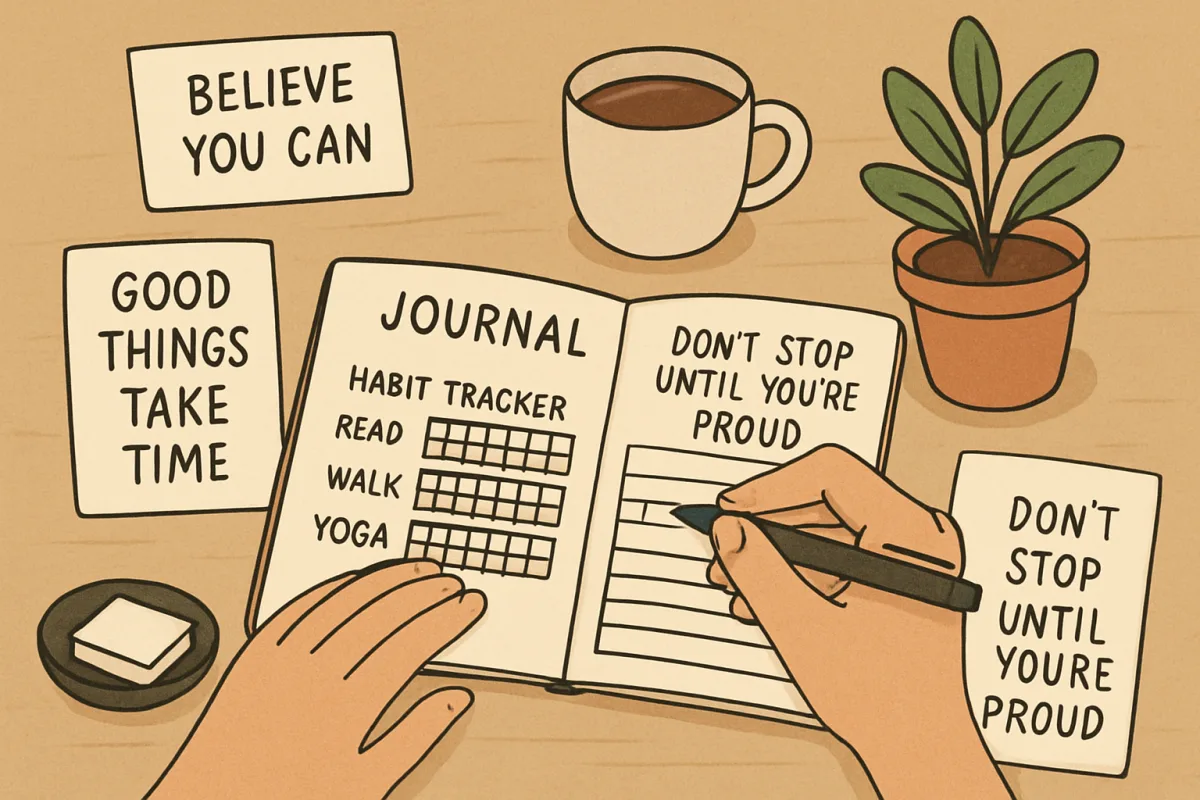
Building disciplined habits requires a structured approach that combines self-awareness, goal setting, and consistent practice. Start by identifying specific habits you want to cultivate, and break them down into manageable steps. Use tools like habit trackers or apps to monitor your progress and stay accountable. Additionally, consider the environment around you; removing distractions and creating cues can significantly enhance your chances of success. Remember, consistency is key, and it often takes time to see meaningful results. Adjust your strategies as needed to maintain motivation and engagement.
Quick Summary
Effective habit building hinges on a disciplined approach that emphasizes clarity, consistency, and adaptability. Begin by defining clear, achievable goals and breaking them into smaller, actionable steps. Utilize tools such as habit trackers to maintain accountability and measure progress. Environmental factors play a crucial role; by minimizing distractions and establishing positive cues, you can reinforce your new habits. Remember, the journey requires patience and flexibility, allowing for adjustments along the way to sustain motivation and ensure long-term success.
Curator Notes
Establishing disciplined habits is a transformative process that requires intentionality and commitment. Start by clearly defining the habits you wish to adopt. This clarity helps in setting realistic and achievable goals.
For instance, if your goal is to exercise regularly, specify the frequency and duration of your workouts. This specificity makes it easier to track your progress and stay motivated. Once you have your goals in place, break them down into smaller, manageable steps.
This approach prevents overwhelm and allows for gradual integration into your daily routine. For example, if you aim to read more, start with just ten pages a day instead of committing to an entire book. Gradual progress fosters a sense of achievement, which can be a powerful motivator.
Utilizing habit tracking tools can enhance your commitment to new habits. Many apps allow you to log your daily activities, providing visual feedback on your progress. This not only keeps you accountable but also helps identify patterns in your behavior.
For instance, you might notice that you are more likely to stick to your habits on certain days of the week. Another critical factor is your environment. Assess your surroundings and remove distractions that hinder your progress.
For example, if you’re trying to eat healthier, keep nutritious snacks visible and accessible while hiding junk food. Additionally, create cues that remind you to engage in your new habits. Setting reminders on your phone or placing sticky notes in visible areas can reinforce your commitment.
Consistency is paramount in habit building. Research suggests that it takes an average of 66 days for a new behavior to become automatic. Therefore, patience is essential.
If you miss a day, don’t be discouraged; instead, focus on getting back on track without guilt. Flexibility in your approach can also be beneficial. If a particular strategy isn’t working, be open to adjusting your methods.
Lastly, consider the role of community and support in your habit-building journey. Sharing your goals with friends or joining a group can provide encouragement and accountability. Engaging with others who share similar aspirations can also inspire you to stay committed and motivated.
In summary, disciplined habit building is a multifaceted process that requires clear goals, manageable steps, effective tracking, environmental adjustments, and a supportive community. By focusing on these elements, you can cultivate lasting habits that enhance your overall well-being.
Best Sources
Videos and Community Signals
21 Life-Changing Habits You MUST Start Today | Transform Your Mind & Body FAST Do you want to change your life, boost ...
TIME STAMPS 0:00 - Intro 01:23 - Set Clear & Specific Goals 03:54 - Develop a Routine and Stick to IT 05:11 - Harness Dopamine ...
Comparison
| Decision Point | Good Starting Choice | When to Go Further |
|---|---|---|
| Online booking | A simple booking page with service duration, staff assignment and confirmation emails. | Multi-location calendars, deposits, cancellation rules and waitlist handling. |
| Client records | Basic notes, visit history and contact details are enough to start. | Segmentation, purchase history, memberships, forms and before-after notes become more important. |
| Reminders | SMS or email reminders help reduce no-shows without adding admin work. | Automated rebooking, follow-up campaigns and missed-appointment recovery matter more. |
| Payments | Card capture and checkout should be simple and transparent. | Packages, memberships, staff commissions, tips and refunds need cleaner reporting. |
| Marketing | Light email or SMS campaigns are useful if they are easy to run. | Automated win-back, birthday offers, review requests and audience segments create more leverage. |
FAQ
Identify the specific habit you want to develop, set clear and achievable goals, and break them down into smaller, manageable steps.
Research indicates it typically takes about 66 days for a new behavior to become automatic, but this can vary based on the individual and the complexity of the habit.
Habit tracking apps like Habitica, Streaks, or even simple spreadsheets can help you monitor your progress and stay accountable.
Set small milestones, celebrate your successes, and consider joining a community for support and encouragement.
Don't be discouraged; focus on getting back on track the next day without guilt. Consistency over time is more important than perfection.