Dilution in Startup Funding Explained
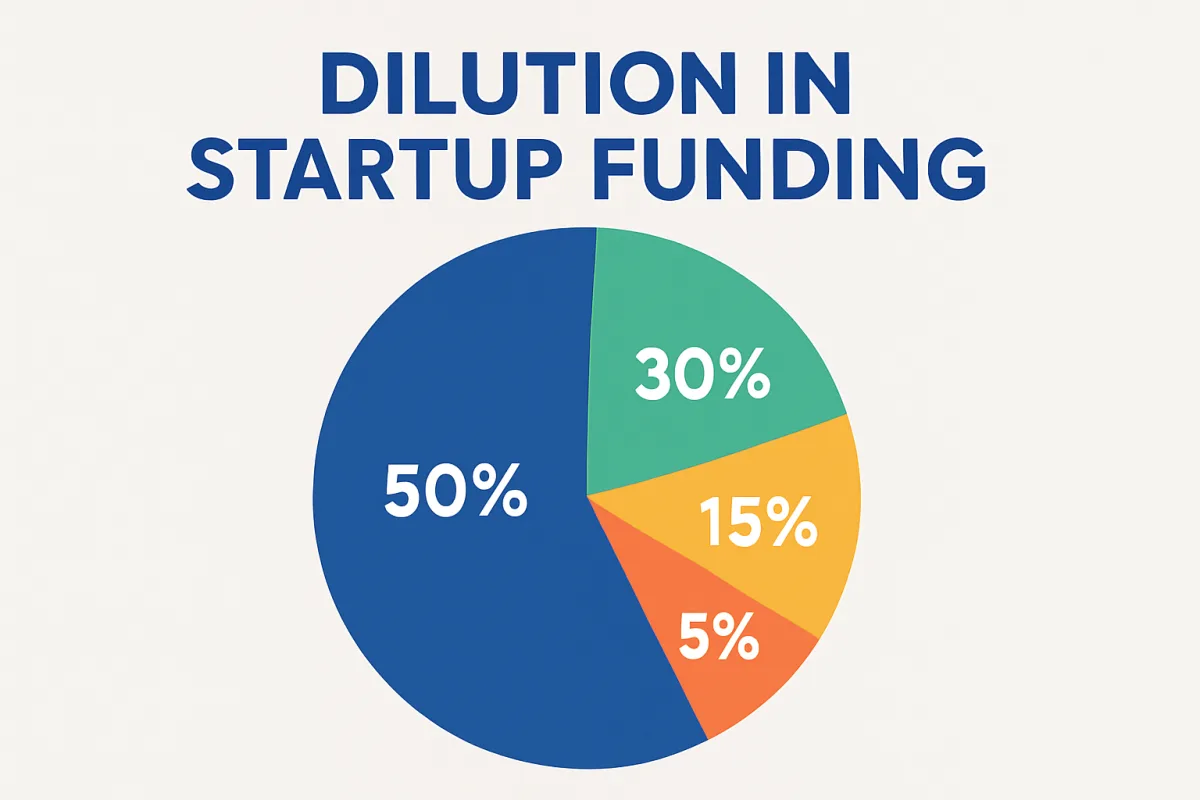
Dilution in startup funding refers to the reduction in ownership percentage of existing shareholders when a company issues new shares. This often occurs during funding rounds where new investors buy equity in exchange for capital. Understanding dilution is crucial for founders and early investors as it affects control, decision-making, and potential returns on investment.
Quick Summary
Dilution in startup funding is a key concept that impacts ownership stakes when new shares are issued. It is essential for founders and investors to grasp how dilution affects their equity and control over the company, especially during funding rounds. This guide explores the implications of dilution, its causes, and strategies to manage it effectively.
Curator Notes
Dilution occurs when a startup issues additional shares, leading to a decrease in the ownership percentage of existing shareholders. This is a common practice during funding rounds, where new investors contribute capital in exchange for equity. For instance, if a startup has 1,000 shares and issues another 500 shares, the existing shareholders' ownership percentage decreases, even though the overall value of the company may increase with the new capital.
Understanding dilution is vital for founders and early investors as it directly impacts control over the company and potential returns. Founders may face challenges in retaining decision-making power if they dilute their shares too much. Moreover, investors need to be aware of how their stakes may change with each funding round, which can affect their influence and financial outcomes.
Strategies to manage dilution include negotiating terms with investors, issuing convertible notes, or opting for alternative funding methods that minimize equity loss.
Best Sources
Videos and Community Signals
Dilution is one of the most important things early-stage founders need to be aware of during startup fundraising; not paying ...
Slidebean helps founders navigate fundraising → https://yt.slidebean.com/ny4 Enroll in the Financial Modeling Bootcamp for ...
Comparison
| Decision Point | Good Starting Choice | When to Go Further |
|---|---|---|
| Online booking | A simple booking page with service duration, staff assignment and confirmation emails. | Multi-location calendars, deposits, cancellation rules and waitlist handling. |
| Client records | Basic notes, visit history and contact details are enough to start. | Segmentation, purchase history, memberships, forms and before-after notes become more important. |
| Reminders | SMS or email reminders help reduce no-shows without adding admin work. | Automated rebooking, follow-up campaigns and missed-appointment recovery matter more. |
| Payments | Card capture and checkout should be simple and transparent. | Packages, memberships, staff commissions, tips and refunds need cleaner reporting. |
| Marketing | Light email or SMS campaigns are useful if they are easy to run. | Automated win-back, birthday offers, review requests and audience segments create more leverage. |
FAQ
Dilution is primarily caused by the issuance of new shares during funding rounds, which can include seed funding, Series A, B, or C rounds. Each time new shares are issued, the percentage ownership of existing shareholders decreases.
Startups can manage dilution by negotiating favorable terms with investors, considering convertible notes, or exploring alternative funding options that do not require issuing new equity.
Not necessarily. While dilution reduces ownership percentage, it can also lead to increased capital that helps the company grow, potentially increasing the overall value of shares in the long run.