Dental Health Beyond Brushing
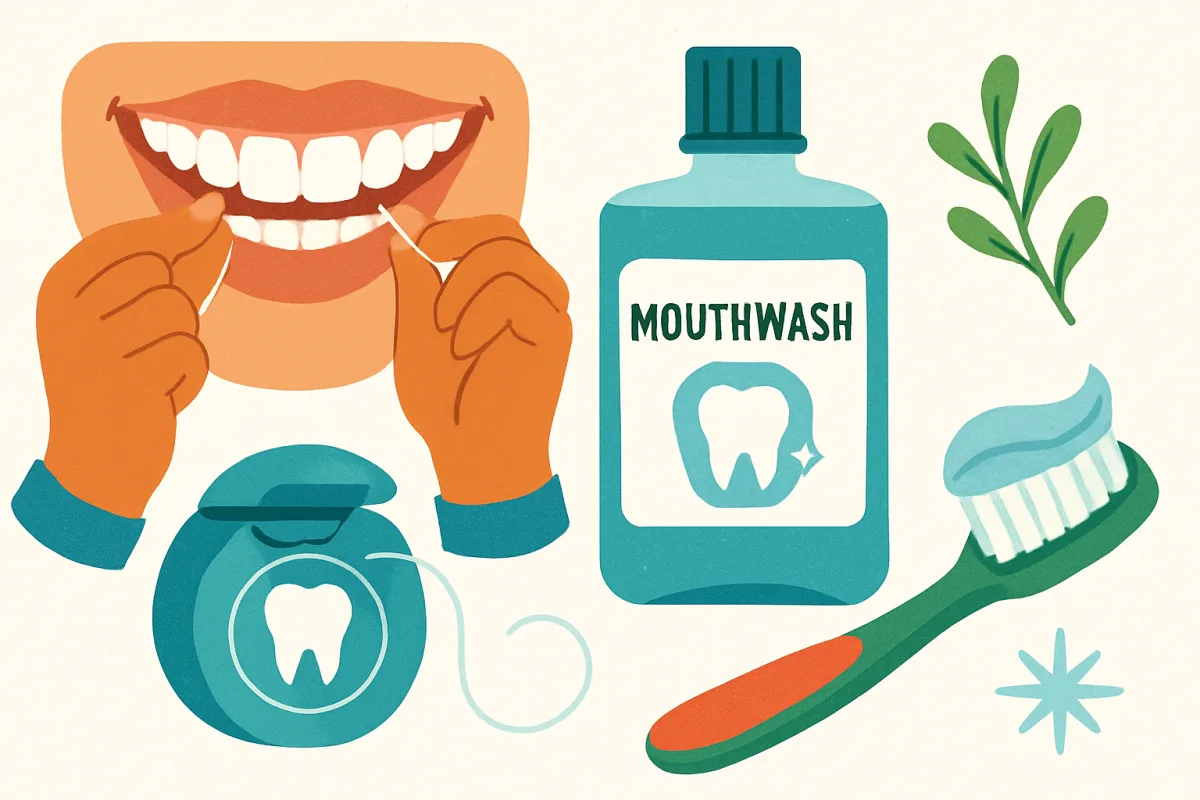
Maintaining dental health goes beyond just brushing your teeth. Essential practices include regular flossing, using mouthwash, and scheduling routine dental check-ups. These methods help remove plaque, prevent gum disease, and ensure overall oral hygiene. Additionally, a balanced diet and proper hydration play crucial roles in supporting dental health.
Quick Summary
Dental health requires more than brushing. Key practices include flossing, using mouthwash, and regular dental visits. A healthy diet and hydration also support oral hygiene.
Curator Notes
Brushing your teeth is a vital part of maintaining dental health, but it is only one piece of the puzzle. Flossing daily helps remove food particles and plaque from between teeth where a toothbrush cannot reach, significantly reducing the risk of cavities and gum disease. Mouthwash can also play a role in oral hygiene by reducing bacteria and freshening breath, making it a beneficial addition to your routine.
Regular dental check-ups are essential for professional cleaning and early detection of potential issues. Dentists can identify problems that may not be visible to the untrained eye and provide treatments to prevent further complications. Furthermore, a balanced diet rich in vitamins and minerals, particularly calcium and vitamin D, supports strong teeth and gums.
Staying hydrated is equally important, as it helps maintain saliva production, which naturally protects the mouth from decay.
Recommended Options
- Waterpik Water Flosser: Best for Individuals seeking an effective alternative to traditional flossing. The Waterpik Water Flosser is clinically proven to be more effective than string floss for reducing plaque and gingivitis. Signal checked: Highly rated on multiple dental health websites and recommended by dentists. Alternative to consider: Traditional dental floss
- Listerine Antiseptic Mouthwash: Best for Those looking to enhance their oral hygiene routine. Listerine is known for its effectiveness in killing germs that cause bad breath and plaque. Signal checked: Widely used and recommended by dental professionals. Alternative to consider: Crest Pro-Health Mouthwash
- Oral-B Electric Toothbrush: Best for Individuals wanting a superior brushing experience. Offers advanced cleaning technology and built-in timers to ensure effective brushing. Signal checked: Top-rated by dental professionals and users alike. Alternative to consider: Philips Sonicare Electric Toothbrush
Best Sources
Videos and Community Signals
Explore the crucial link between oral health and overall wellness in 'Beyond the Smile: The Surprising Impact of Oral Health.
Unlock the secrets of comprehensive dental care with our latest video: Beyond Brushing Alone! ✨ Join us on an enlightening ...
Comparison
| Decision Point | Good Starting Choice | When to Go Further |
|---|---|---|
| Flossing method | Traditional flossing for basic cleaning. | Water flosser for deeper cleaning and ease of use. |
| Mouthwash type | Non-alcoholic mouthwash for sensitive mouths. | Antiseptic mouthwash for stronger germ protection. |
| Toothbrush type | Manual toothbrush for cost-effectiveness. | Electric toothbrush for enhanced cleaning and features. |
FAQ
Flossing should be done at least once a day to effectively remove plaque and food particles.
While not strictly necessary, mouthwash can enhance your oral hygiene routine by killing bacteria and freshening breath.
It is recommended to visit the dentist every six months for routine check-ups and cleanings.