Decentralized Identity Explained
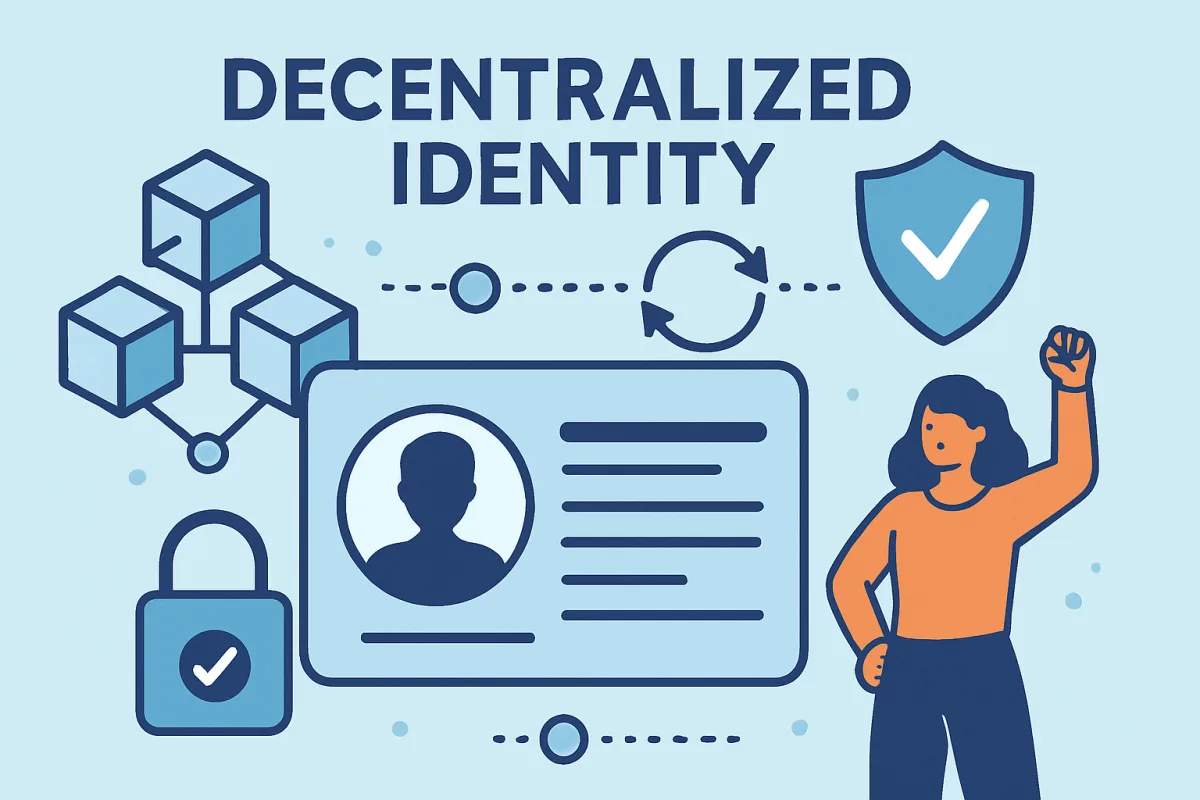
Decentralized identity refers to a digital identity model that allows individuals to control their personal information without relying on a central authority. This approach leverages blockchain technology to create secure, verifiable identities that can be used across various platforms. Users can manage their credentials, share specific data as needed, and maintain privacy, reducing the risk of identity theft and data breaches. The decentralized nature also empowers users, giving them ownership over their digital identities.
Quick Summary
Understanding decentralized identity is crucial in today's digital landscape, where privacy and security are paramount. This model allows individuals to manage their own identities without centralized control, using blockchain technology for secure verification. By enabling users to control their personal information, decentralized identity reduces risks associated with identity theft and enhances privacy. As this concept evolves, it presents new opportunities and challenges for individuals and organizations alike.
Curator Notes
Decentralized identity is a transformative concept that shifts the control of personal data from centralized entities to individuals. Traditionally, identity management has relied on organizations like banks or social media platforms, which store user data and control access. In contrast, decentralized identity allows users to create and manage their identities on a blockchain, ensuring that they have full control over their information.
One of the core benefits of decentralized identity is enhanced privacy. Users can selectively share their credentials without exposing all their personal data. For example, when verifying age for a service, a user can prove their age without revealing their full birth date or other sensitive information.
This selective sharing minimizes the risk of data breaches and identity theft, which are prevalent in centralized systems. Moreover, decentralized identity can streamline processes across various sectors, including finance, healthcare, and education. With a secure digital identity, users can access services more efficiently, reducing the need for repetitive identity verification.
This can lead to cost savings for organizations and improved user experiences. However, the transition to decentralized identity is not without challenges. Users must navigate the complexities of blockchain technology, which may pose a learning curve.
Additionally, the lack of regulatory frameworks can create uncertainty for businesses looking to adopt these systems. It's essential for stakeholders to collaborate on establishing standards that ensure security and interoperability. Another consideration is the potential for digital divide issues.
Not everyone has equal access to technology or the internet, which could hinder the adoption of decentralized identity solutions. Ensuring inclusivity will be vital for the widespread acceptance of this model. As decentralized identity continues to evolve, it will likely play a significant role in shaping the future of digital interactions.
Organizations that embrace this model can enhance security, improve user trust, and foster innovation. However, they must also be mindful of the associated challenges and work towards solutions that benefit all users. In summary, decentralized identity represents a paradigm shift in how we manage personal information online.
By empowering individuals and enhancing privacy, it offers a promising alternative to traditional identity systems, albeit with challenges that need to be addressed for broader adoption.
Best Sources
Videos and Community Signals
What is decentralized identity? How does it give you more control over your digital identity and keep your information on the ...
Web3 social space is heading for exciting developments. The infrastructure and the tools to support this ecosystem, including ...
Comparison
| Decision Point | Good Starting Choice | When to Go Further |
|---|---|---|
| Online booking | A simple booking page with service duration, staff assignment and confirmation emails. | Multi-location calendars, deposits, cancellation rules and waitlist handling. |
| Client records | Basic notes, visit history and contact details are enough to start. | Segmentation, purchase history, memberships, forms and before-after notes become more important. |
| Reminders | SMS or email reminders help reduce no-shows without adding admin work. | Automated rebooking, follow-up campaigns and missed-appointment recovery matter more. |
| Payments | Card capture and checkout should be simple and transparent. | Packages, memberships, staff commissions, tips and refunds need cleaner reporting. |
| Marketing | Light email or SMS campaigns are useful if they are easy to run. | Automated win-back, birthday offers, review requests and audience segments create more leverage. |
FAQ
Decentralized identity is a digital identity model that allows individuals to control their personal information using blockchain technology, eliminating reliance on central authorities.
It enables users to share specific credentials without exposing all personal data, reducing the risk of identity theft and data breaches.
Challenges include the complexity of blockchain technology, lack of regulatory frameworks, and potential digital divide issues.