Dairy Free Alternatives Compared
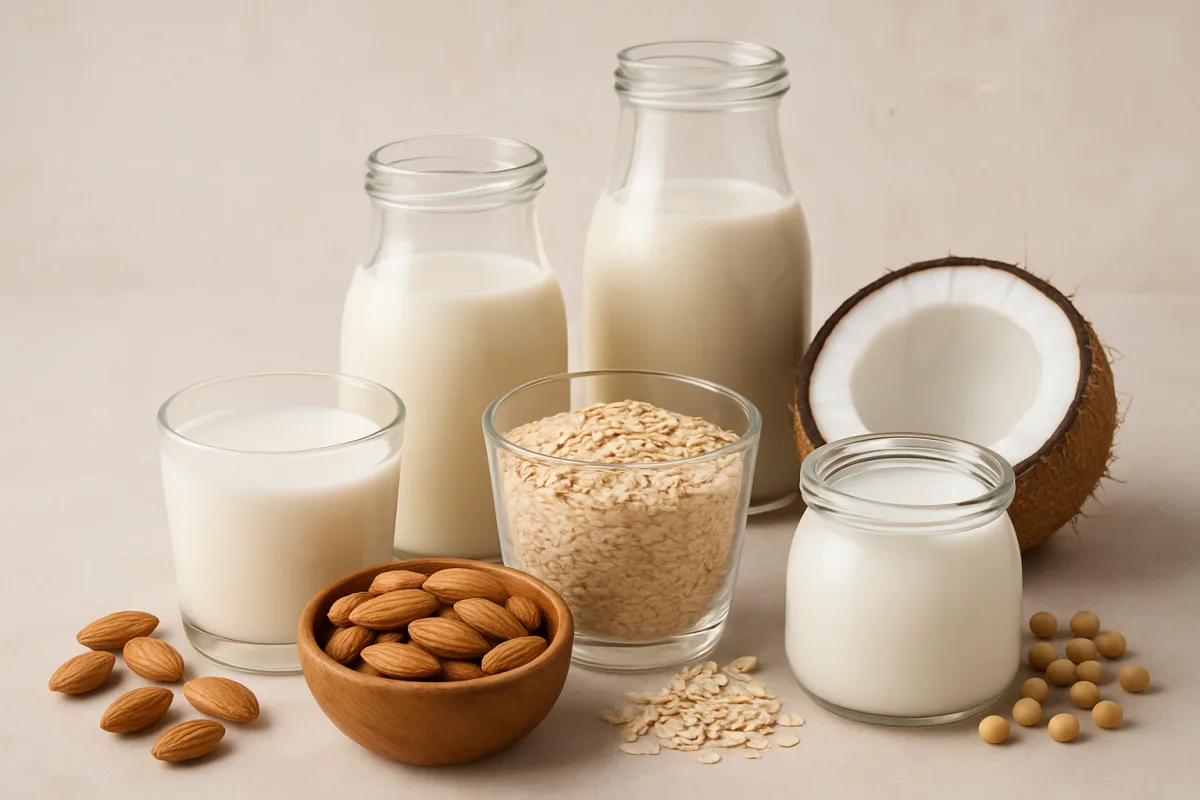
Dairy-free alternatives have become increasingly popular as more people seek plant-based options for health, ethical, or dietary reasons. Key alternatives include almond milk, soy milk, oat milk, coconut milk, and cashew cheese. Almond milk is low in calories and has a mild flavor, making it versatile for smoothies and baking. Soy milk is high in protein and often fortified with vitamins, making it a nutritious choice. Oat milk has a creamy texture that works well in coffee and cereals, while coconut milk offers a rich flavor ideal for cooking. Cashew cheese is a great option for those looking for a dairy-free cheese substitute, providing a creamy texture without dairy. Each option has its pros and cons depending on dietary needs and culinary uses.
Quick Summary
Choosing the right dairy-free alternative can be overwhelming given the variety available. Almond milk is a low-calorie option, while soy milk provides protein. Oat milk is creamy and ideal for coffee, and coconut milk adds richness to dishes. Cashew cheese serves as a tasty cheese substitute. Understanding the unique benefits and potential drawbacks of each can help you make informed choices based on your dietary needs and preferences.
Curator Notes
The rise of dairy-free alternatives reflects a growing awareness of health and dietary preferences. Almond milk stands out for its low calorie count and versatility, making it a popular choice for smoothies and baking. However, it often lacks protein, which may be a concern for some consumers.
Those looking for a protein-rich option might prefer soy milk, which is not only high in protein but also fortified with essential vitamins. This makes it a solid choice for those needing a nutritional boost. Oat milk has gained traction for its creamy texture and ability to froth well, making it an excellent addition to coffee and cereals.
However, it can be higher in carbohydrates, which might not suit everyone’s dietary goals. Coconut milk, on the other hand, is rich and flavorful, perfect for cooking and baking, but it is also high in saturated fats, which some may want to limit. Cashew cheese offers a dairy-free alternative for cheese lovers, providing a creamy texture that can enhance various dishes.
While it is a great substitute, it may not be suitable for those with nut allergies. Each alternative has its unique flavor profile and nutritional benefits, so it’s essential to consider personal dietary needs when making a choice. When selecting a dairy-free alternative, consider factors such as taste, nutritional content, and potential allergens.
For instance, those with nut allergies should avoid almond and cashew products, while individuals seeking lower carbohydrate options might lean towards almond or soy milk. Additionally, the environmental impact of production can also influence choices, as some alternatives have a lower carbon footprint than others. Cost is another consideration; some dairy-free options can be pricier than traditional dairy products.
However, many brands offer affordable choices, especially in larger quantities. It’s worth exploring local brands that may provide fresher options at a lower price. Ultimately, the best dairy-free alternative depends on individual preferences and dietary restrictions.
Trying different options can help you find the right fit for your lifestyle, whether you’re looking for something to pour over cereal, blend into smoothies, or use in cooking. Experimenting with various brands and flavors can also lead to discovering new favorites that align with your health goals.
Recommended Options
- Silk Almond Milk: Best for Low-calorie diets and smoothies Silk's almond milk is versatile and low in calories, making it a popular choice. Signal checked: Widely available and highly rated for taste. Alternative to consider: Oat Milk for creaminess.
- Silk Soy Milk: Best for Protein-rich diets High in protein and often fortified with vitamins. Signal checked: Commonly recommended for its nutritional benefits. Alternative to consider: Almond Milk for lower calories.
- Oatly Oat Milk: Best for Coffee and cereals Creamy texture that froths well, ideal for lattes. Signal checked: Popular among coffee shops and consumers. Alternative to consider: Soy Milk for protein.
- Thai Kitchen Coconut Milk: Best for Cooking and baking Rich flavor that enhances various dishes. Signal checked: Well-reviewed for its quality in recipes. Alternative to consider: Almond Milk for lighter options.
- Miyoko's Creamery Cashew Cheese: Best for Cheese lovers seeking dairy-free options Creamy texture that mimics traditional cheese. Signal checked: Highly rated for taste and texture. Alternative to consider: Nut-based cheese alternatives.
Best Sources
Videos and Community Signals
Kiki milk is one of my faves! Get 20% off w/ code FLAVCITY: https://www.kikimilk.com/ Download my FREE app & scan away: ...
Food scientist Rosemary Trout analyzes each and every plant-based milk. From household staples like almond milk and oak milk ...
Comparison
| Decision Point | Good Starting Choice | When to Go Further |
|---|---|---|
| Caloric Content | Almond Milk (low-calorie) | Soy Milk (higher protein, moderate calories) |
| Protein Content | Soy Milk (high protein) | Oat Milk (moderate protein, creamy) |
| Flavor Profile | Almond Milk (mild flavor) | Coconut Milk (rich and flavorful) |
| Best Use | Almond Milk (smoothies, baking) | Oat Milk (coffee, frothing) |
FAQ
Oat milk is often considered the best for coffee due to its creamy texture and ability to froth well.
Soy milk is higher in protein and often fortified with vitamins, making it a more nutritious option for many.
Yes, coconut milk can add richness and flavor to baked goods, but consider its higher fat content.