Cybersecurity Bootcamps Guide
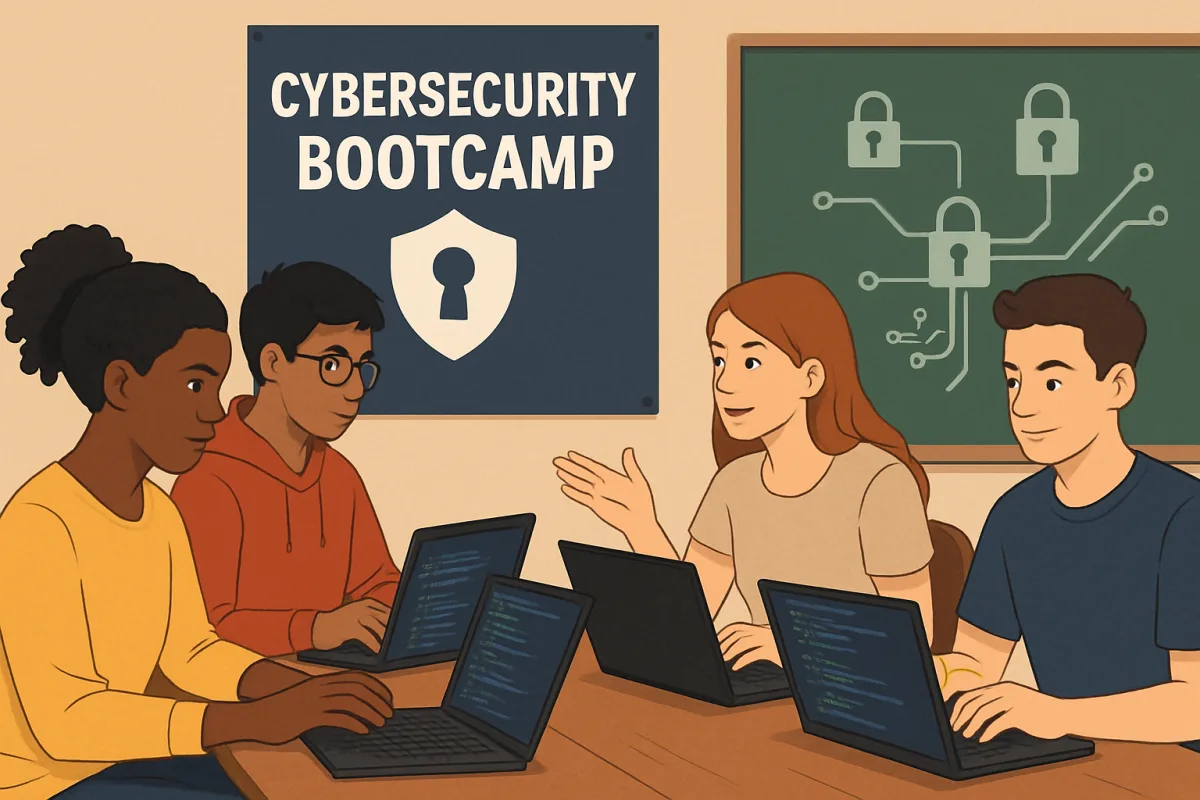
Cybersecurity bootcamps offer intensive training programs designed to equip individuals with the skills needed to enter the cybersecurity field. These bootcamps typically last from a few weeks to several months and cover essential topics such as network security, ethical hacking, and incident response. Many bootcamps also provide hands-on projects and career support, making them a viable option for those looking to pivot into tech careers quickly. However, prospective students should consider factors like cost, curriculum, and job placement rates before enrolling.
Quick Summary
Cybersecurity bootcamps are fast-paced training programs that prepare individuals for careers in cybersecurity. They focus on practical skills in areas like ethical hacking, network security, and risk management. While these bootcamps can be a quick route into the tech industry, it's crucial to evaluate their curriculum, costs, and job placement success. Researching various options will help you find a bootcamp that aligns with your career goals and learning style.
Curator Notes
Cybersecurity bootcamps have gained popularity as a rapid pathway into the tech industry, particularly for those looking to switch careers. These programs are typically immersive, lasting anywhere from a few weeks to several months, and are designed to provide hands-on experience in critical areas of cybersecurity. Topics often include ethical hacking, network security, and incident response, which are essential for anyone looking to work in this field.
One of the key advantages of bootcamps is their focus on practical skills. Many programs incorporate real-world projects and simulations, allowing students to apply what they learn in a controlled environment. This hands-on approach can be particularly beneficial for those who thrive in experiential learning settings.
Additionally, many bootcamps offer career services, such as resume workshops and interview preparation, which can significantly enhance job placement opportunities. However, prospective students should be aware of the financial commitment involved. Bootcamps can range from a few thousand to over $20,000, depending on the program's length and reputation.
It's essential to weigh the cost against potential return on investment, especially considering that some bootcamps may not have strong job placement rates. Another consideration is the curriculum. Not all bootcamps are created equal; some may focus more on theory than practical skills, while others might not cover the latest industry trends.
Researching the curriculum and speaking to alumni can provide valuable insights into what to expect. Additionally, the learning environment can vary widely. Some bootcamps offer online courses, while others are in-person or hybrid.
Your personal learning style should guide your choice. For instance, if you prefer face-to-face interaction, an in-person bootcamp might be more suitable. Lastly, networking opportunities can be a significant benefit of attending a bootcamp.
Many programs have connections with industry professionals and companies, which can facilitate job placements. Engaging with instructors and peers can also expand your professional network, which is crucial in the tech industry. In summary, while cybersecurity bootcamps can provide a fast track into a rewarding career, thorough research is essential.
Evaluating costs, curriculum quality, and job placement success will help you make an informed decision that aligns with your career aspirations.
Recommended Options
- Springboard Cybersecurity Bootcamp: Best for Individuals seeking a comprehensive, mentor-led program. Offers personalized mentorship and a job guarantee. Signal checked: High job placement rates and positive alumni reviews. Alternative to consider: Thinkful Cybersecurity Bootcamp
- Flatiron School Cybersecurity Bootcamp: Best for Those looking for a structured curriculum with strong support. Focuses on both technical skills and soft skills. Signal checked: Well-regarded in the tech community with a solid alumni network. Alternative to consider: General Assembly Cybersecurity Bootcamp
- Nucamp Cybersecurity Bootcamp: Best for Budget-conscious learners wanting flexible online options. Affordable pricing and flexible scheduling. Signal checked: Positive reviews for accessibility and support. Alternative to consider: Codecademy Cybersecurity Path
Best Sources
Videos and Community Signals
Advance your career in Cyber Security with Simplilearn's Cyber Security Courses: https://bit.ly/Ben-CyberSecurity Again, that's ...
Are you looking to jumpstart your career in cybersecurity? The right bootcamp can give you the skills you need to succeed in this ...
Comparison
| Decision Point | Good Starting Choice | When to Go Further |
|---|---|---|
| Cost | Look for bootcamps under $10,000 for a basic program. | Consider programs over $10,000 for comprehensive support and mentorship. |
| Curriculum Depth | Choose bootcamps that cover fundamental topics like network security. | Select those that include advanced topics like threat intelligence and compliance. |
| Job Placement Support | Look for bootcamps with basic resume and interview prep. | Opt for those offering job guarantees and extensive networking opportunities. |
FAQ
Yes, if you choose a reputable program with strong job placement rates, they can provide a quick entry into the field.
You will learn skills such as ethical hacking, network security, and incident response, among others.
Most bootcamps last between 8 to 24 weeks, depending on the program structure.