Customer Data Platforms Compared
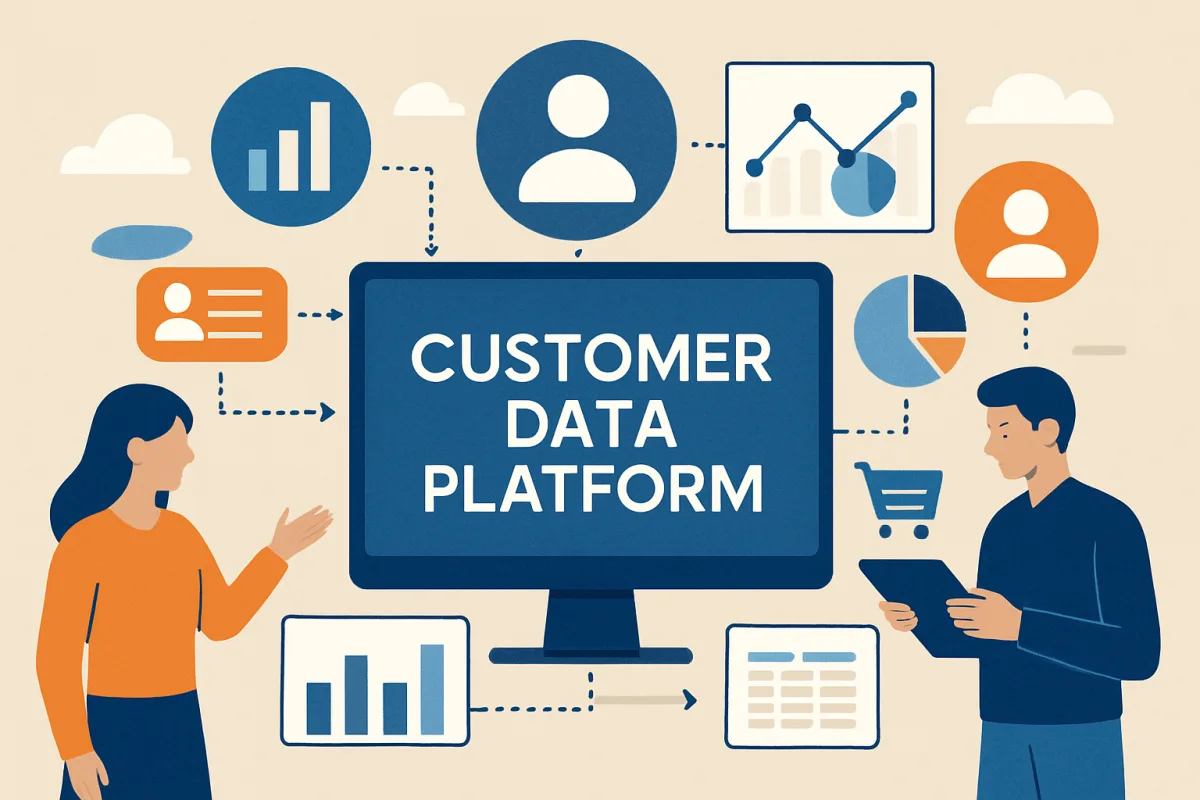
Customer Data Platforms (CDPs) are crucial for businesses aiming to consolidate customer data from various sources. Leading options include Segment, BlueConic, and Tealium. Segment is favored for its extensive integration capabilities, making it ideal for tech-savvy teams. BlueConic stands out with its real-time data collection, perfect for marketers focused on personalization. Tealium is known for its strong compliance features, making it suitable for enterprises handling sensitive data. The best choice depends on specific business needs and technical expertise.
Quick Summary
This page compares top Customer Data Platforms (CDPs) like Segment, BlueConic, and Tealium. Each platform offers unique features tailored to different business needs, from integration capabilities to data compliance. Understanding these differences can help businesses choose the right CDP for their customer data strategy.
Curator Notes
Customer Data Platforms (CDPs) serve as centralized hubs for customer data, enabling businesses to unify information from various sources. This is particularly important in today's data-driven landscape, where personalized marketing and customer insights are critical for success. Segment, BlueConic, and Tealium are three of the leading CDPs, each with distinct strengths that cater to different business requirements.
Segment is particularly well-regarded for its robust integration capabilities, allowing businesses to connect various data sources seamlessly. This makes it an excellent choice for tech-savvy teams looking to leverage multiple tools and platforms. On the other hand, BlueConic excels in real-time data collection, making it ideal for marketers focused on delivering personalized experiences.
Its user-friendly interface and strong analytics features help marketers make data-driven decisions quickly. Tealium, meanwhile, is known for its strong compliance features, which are essential for enterprises handling sensitive customer data. Its focus on data governance and privacy makes it a preferred choice for larger organizations that must adhere to strict regulatory standards.
Ultimately, the best CDP for a business will depend on its specific needs, technical expertise, and the importance of features like integration, real-time data collection, and compliance.
Recommended Options
- Segment: Best for Tech-savvy teams needing extensive integrations Offers robust integration capabilities with numerous tools and platforms. Signal checked: Highly rated for its flexibility and ease of use among developers. Alternative to consider: Mixpanel for analytics-focused teams.
- BlueConic: Best for Marketers focused on real-time personalization Excels in real-time data collection and user-friendly analytics. Signal checked: Popular among marketing teams for its intuitive interface. Alternative to consider: HubSpot for integrated marketing solutions.
- Tealium: Best for Enterprises managing sensitive data Strong compliance features and data governance tools. Signal checked: Trusted by large organizations for its security and regulatory compliance. Alternative to consider: Adobe Experience Platform for comprehensive enterprise solutions.
Best Sources
Videos and Community Signals
QuickPivot's Laura Tentas explains how important a Customer Data Platform is to draw real-time actionable insights from their ...
Welcome to Marketplace Growth by Accoil Analytics, where we make product analytics un-complicated! Today, our cofounders ...
Comparison
| Decision Point | Good Starting Choice | When to Go Further |
|---|---|---|
| Integration capabilities | Segment for extensive integrations | Tealium for compliance-focused integrations |
| Real-time data collection | BlueConic for marketers | Segment for tech-savvy teams needing flexibility |
| Compliance features | Tealium for enterprises | BlueConic for marketers needing GDPR compliance |
FAQ
A Customer Data Platform (CDP) is a software solution that consolidates customer data from various sources into a single, unified database.
Consider your business needs, technical expertise, and the specific features that are most important, such as integration capabilities, real-time data collection, and compliance.