Cultural Etiquette Asia Travel
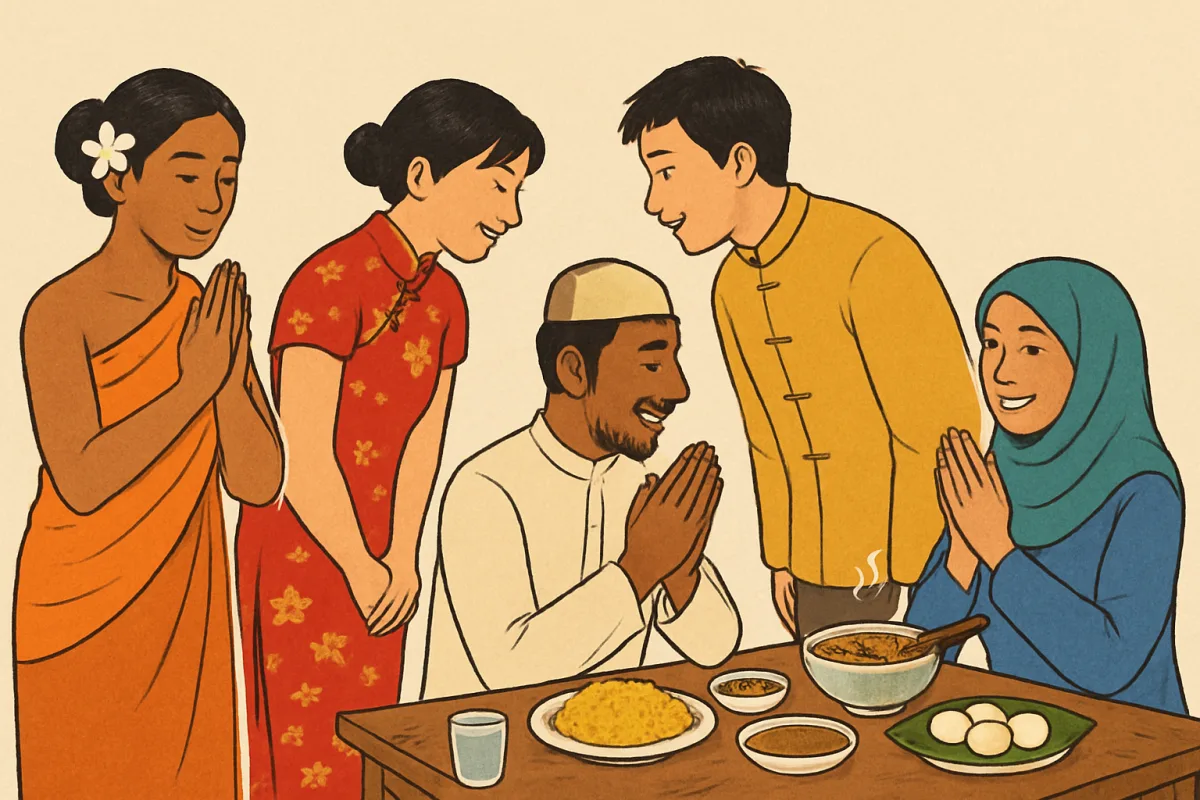
Understanding cultural etiquette is essential for travelers in Asia, where customs and traditions vary significantly across countries. Key practices include greeting styles, dining etiquette, and dress codes. For instance, in Japan, bowing is a common greeting, while in Thailand, the 'wai' gesture is preferred. Dining etiquette can also differ; in China, finishing all food on your plate may be seen as polite, while in India, eating with your right hand is customary. Being aware of these nuances can enhance your travel experience and foster respect with local communities.
Quick Summary
Traveling in Asia requires a nuanced understanding of cultural etiquette, which varies widely across the region. Familiarizing yourself with local customs can significantly enhance your interactions and experiences. For example, in Japan, bowing is a common greeting, while in Thailand, the 'wai' gesture is preferred. Dining practices also differ; in China, leaving food on your plate may be considered rude, whereas in India, using your right hand for eating is customary. Respecting these traditions not only enriches your travel experience but also fosters goodwill with locals.
Curator Notes
Cultural etiquette in Asia is a rich tapestry of traditions and practices that vary from country to country. Understanding these nuances is crucial for travelers who wish to engage respectfully with local communities. For example, in Japan, bowing is not just a form of greeting but also a sign of respect.
The depth of the bow can convey different meanings, making it essential to observe and adapt to local customs. In Thailand, the 'wai' gesture, which involves pressing your palms together in a prayer-like position, is a common way to greet others. The height of your hands indicates the level of respect you are showing.
Failing to use this gesture can be seen as disrespectful, especially towards elders or those in authority. Dining etiquette is another area where cultural differences are pronounced. In China, it is customary to finish all the food on your plate as a sign of appreciation, while in India, using your right hand to eat is considered polite.
Understanding these dining customs can prevent unintentional faux pas and enhance your dining experience. Dress codes also vary significantly across Asia. In many countries, modest dress is appreciated, especially when visiting religious sites.
For instance, in Indonesia, wearing a sarong when entering a temple is often required. Being mindful of local dress codes shows respect for cultural values and can help you blend in more easily. Additionally, understanding the concept of 'saving face' is vital in many Asian cultures.
This means avoiding public confrontation and maintaining harmony in social interactions. Being aware of how your actions may affect others can lead to more positive interactions. In summary, being informed about cultural etiquette in Asia not only enriches your travel experience but also fosters goodwill with locals.
Taking the time to learn about and respect these customs can lead to deeper connections and a more enjoyable journey. Travelers should also consider seeking local guides or resources that provide insights into specific cultural practices in the countries they visit. This can enhance understanding and appreciation of the local way of life, making for a more fulfilling travel experience.
Best Sources
Videos and Community Signals
Subscribe Here: https://bit.ly/3vjGGCX Get My Top 100 Travel Pics FREE! https://bit.ly/3ig1qZw Japan is an incredible ...
These 11 surprising etiquette in Japan need to be adopted everywhere in the world. In this quick Japan travel guide video, we ...
Comparison
| Decision Point | Good Starting Choice | When to Go Further |
|---|---|---|
| Online booking | A simple booking page with service duration, staff assignment and confirmation emails. | Multi-location calendars, deposits, cancellation rules and waitlist handling. |
| Client records | Basic notes, visit history and contact details are enough to start. | Segmentation, purchase history, memberships, forms and before-after notes become more important. |
| Reminders | SMS or email reminders help reduce no-shows without adding admin work. | Automated rebooking, follow-up campaigns and missed-appointment recovery matter more. |
| Payments | Card capture and checkout should be simple and transparent. | Packages, memberships, staff commissions, tips and refunds need cleaner reporting. |
| Marketing | Light email or SMS campaigns are useful if they are easy to run. | Automated win-back, birthday offers, review requests and audience segments create more leverage. |
FAQ
Common greetings vary by country; for example, bowing in Japan, the 'wai' gesture in Thailand, and handshakes in many other regions.
Dining etiquette differs; in China, finishing your plate is polite, while in India, use your right hand for eating.
Yes, many Asian countries require modest dress in religious sites, such as wearing a sarong in Indonesia.
'Saving face' refers to maintaining dignity and avoiding public embarrassment, which is important in social interactions.