Crypto Wallets For Beginners
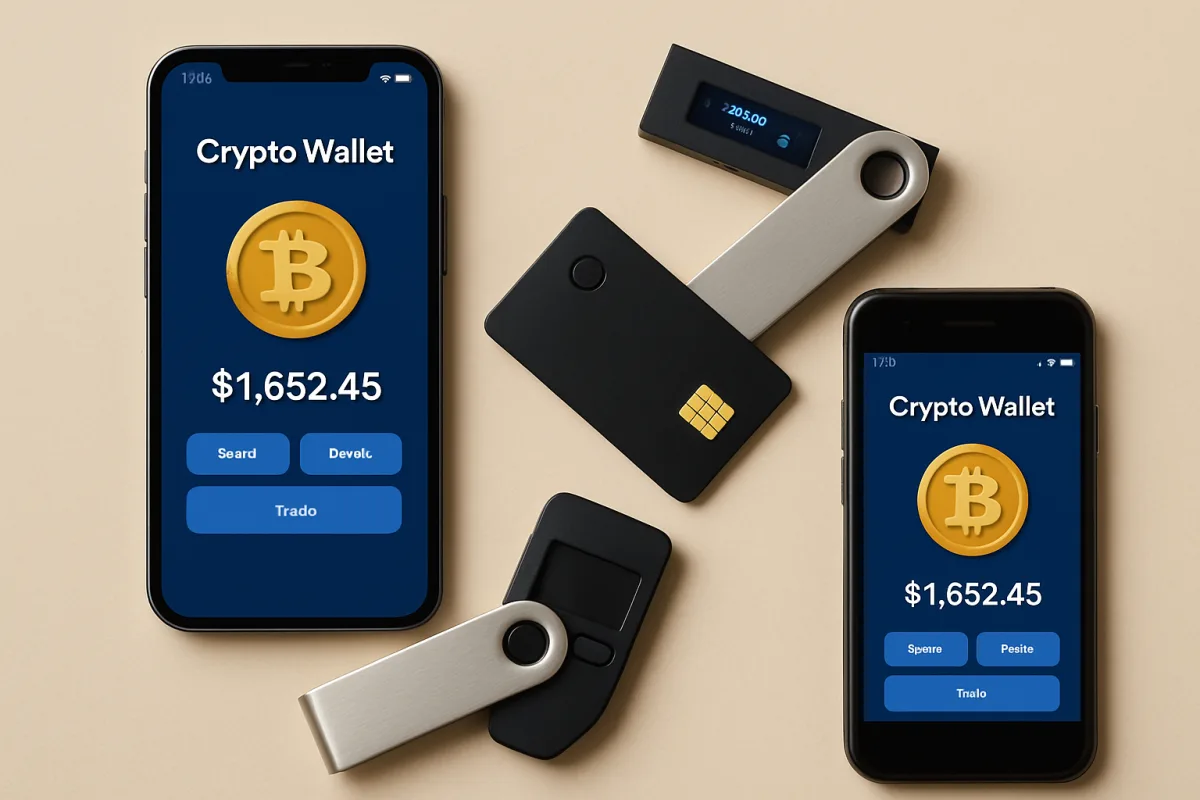
For beginners in cryptocurrency, selecting the right wallet is crucial for security and ease of use. Popular options include Coinbase Wallet, which is user-friendly and integrates seamlessly with the Coinbase exchange, making it ideal for newcomers. Another strong contender is Exodus, known for its intuitive interface and built-in exchange features. For those prioritizing security, Ledger Nano S offers robust hardware protection, although it comes with a steeper learning curve. Each wallet has its strengths, so consider your specific needs, such as ease of access or security level, before making a choice.
Quick Summary
Choosing a crypto wallet as a beginner can be daunting, but several user-friendly options stand out. Coinbase Wallet is perfect for those already using the Coinbase exchange, while Exodus offers a seamless experience with built-in exchange capabilities. For heightened security, Ledger Nano S is a top choice, though it may require more technical knowledge. Understanding the trade-offs between convenience and security is essential for making an informed decision that aligns with your cryptocurrency journey.
Curator Notes
Selecting a crypto wallet is one of the first steps for anyone venturing into the world of cryptocurrency. With various types available—software, hardware, and paper wallets—beginners should focus on user-friendly options that provide a balance of security and accessibility. Software wallets, like mobile or desktop applications, are generally easier to set up and use, making them ideal for newcomers who want to start trading quickly.
Coinbase Wallet is often recommended for beginners due to its straightforward interface and integration with the Coinbase exchange. This makes it easy for users to buy, sell, and manage their cryptocurrencies all in one place. However, while it offers convenience, it’s essential to remember that being an online wallet means it’s more vulnerable to hacks compared to hardware wallets.
Exodus is another excellent choice, particularly for those who appreciate a visually appealing interface. It supports multiple cryptocurrencies and includes a built-in exchange feature, allowing users to swap assets without leaving the app. While it’s user-friendly, it’s worth noting that Exodus is a hot wallet, which means it’s connected to the internet and carries inherent risks.
For those who prioritize security, hardware wallets like the Ledger Nano S provide a safer alternative. These wallets store your private keys offline, making them less susceptible to online threats. However, they do come with a learning curve and require some technical knowledge to set up and manage effectively.
Another option is Trezor, which is similar to Ledger but offers a slightly different user interface and additional features. Both Ledger and Trezor are excellent for long-term storage of cryptocurrencies, especially for users who plan to hold their assets rather than trade frequently. Ultimately, the best wallet for you will depend on your specific needs and how you plan to use your cryptocurrencies.
If you’re looking for quick access and ease of use, software wallets like Coinbase or Exodus are suitable. However, if security is your primary concern, investing in a hardware wallet could be the better route. As you make your decision, consider factors such as transaction fees, supported currencies, and customer support.
Each wallet has its unique features and trade-offs, so take the time to evaluate what matters most to you before committing to a choice.
Recommended Options
- Coinbase Wallet: Best for beginners using the Coinbase exchange User-friendly interface and seamless integration with Coinbase. Signal checked: High user ratings and widespread adoption among new users. Alternative to consider: Exodus for a more visually appealing interface.
- Exodus: Best for users who want built-in exchange features Intuitive design and supports multiple cryptocurrencies. Signal checked: Positive reviews for ease of use and functionality. Alternative to consider: Coinomi for additional currency support.
- Ledger Nano S: Best for users prioritizing security Offers robust offline storage for cryptocurrencies. Signal checked: Highly regarded in the crypto community for security. Alternative to consider: Trezor for a similar hardware wallet experience.
Best Sources
Videos and Community Signals
A beginners guide to crypto wallets, what they are, how they work and how to get started using crypto apps, dex's and more ...
Not every cold wallet is truly safe or Web3-ready. Jake Claver explains what to look for in cold storage that actually protects your ...
Comparison
| Decision Point | Good Starting Choice | When to Go Further |
|---|---|---|
| Ease of Use | Coinbase Wallet for quick setup. | Exodus for more features but slightly more complex. |
| Security | Exodus for software security. | Ledger Nano S for top-tier hardware security. |
| Supported Cryptocurrencies | Coinbase Wallet for major coins. | Exodus for a wider variety. |
FAQ
A crypto wallet is a digital tool that allows you to store, send, and receive cryptocurrencies.
Software wallets are convenient but can be vulnerable to hacks; using strong passwords and two-factor authentication can enhance security.
Hot wallets are connected to the internet and are more convenient, while cold wallets store cryptocurrencies offline and offer better security.