Crossovers vs SUVs Explained
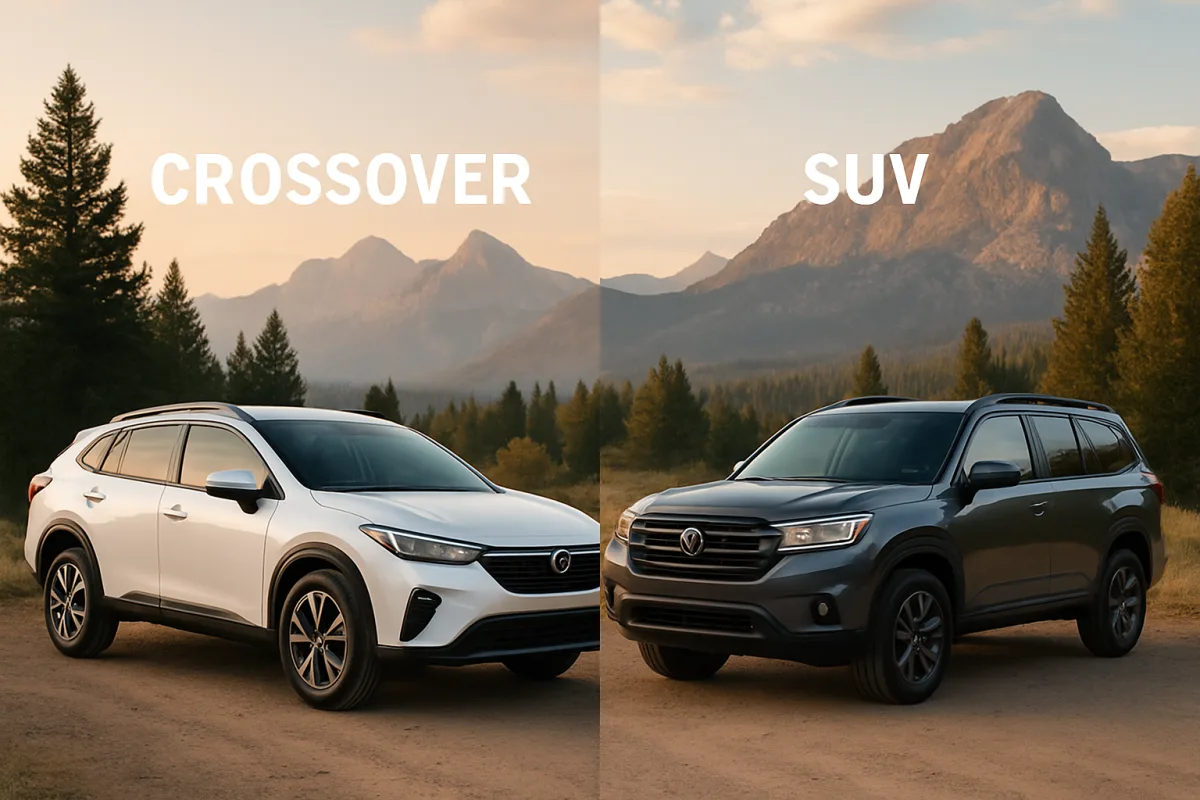
Crossovers and SUVs are often confused, but they serve different purposes. Crossovers are built on car platforms, offering better fuel efficiency and a smoother ride, making them ideal for urban driving. SUVs, on the other hand, are built on truck platforms, providing more ruggedness and off-road capability, which is better for adventurous terrains. Understanding these differences can help buyers choose the right vehicle based on their needs.
Quick Summary
This guide explores the key differences between crossovers and SUVs, helping potential buyers understand which vehicle type suits their lifestyle. Crossovers typically offer better fuel efficiency and comfort, while SUVs provide enhanced off-road capabilities and durability.
Curator Notes
Crossovers and SUVs are two popular vehicle types that cater to different driving needs and preferences. Crossovers are generally built on a car's platform, which allows for a lighter structure and improved fuel efficiency. This makes them an excellent choice for city driving, where maneuverability and comfort are paramount.
They often feature a more car-like driving experience, with a focus on passenger comfort and technology integration. In contrast, SUVs are built on truck platforms, which gives them a more robust frame and the ability to handle rough terrains. They typically offer higher towing capacities and more cargo space, making them suitable for families and outdoor enthusiasts.
However, this ruggedness often comes at the cost of fuel efficiency and ride comfort. Buyers should consider their primary use—whether they prioritize comfort and efficiency or off-road capability and space—when choosing between the two.
Recommended Options
- Honda CR-V: Best for Urban drivers seeking efficiency and comfort The Honda CR-V is known for its spacious interior, excellent fuel economy, and reliability. Signal checked: Consistently high ratings in consumer reports and sales rankings. Alternative to consider: Toyota RAV4
- Jeep Grand Cherokee: Best for Adventurers needing off-road capability The Jeep Grand Cherokee offers exceptional off-road performance and luxury features. Signal checked: Strong reputation for off-road capability and customer satisfaction. Alternative to consider: Ford Explorer
Best Sources
Videos and Community Signals
While the term "SUV" or "sport utility vehicle" has been used broadly to describe all types of utility vehicles, there really is a ...
Have you ever wondered what makes an SUV different from a crossover? While they look similar on the outside, their construction ...
Comparison
| Decision Point | Good Starting Choice | When to Go Further |
|---|---|---|
| Platform Type | Crossover (car-based) | SUV (truck-based) |
| Fuel Efficiency | Better fuel economy | Lower fuel economy but more power |
| Cargo Space | Adequate for daily needs | More space for gear and passengers |
| Off-road Capability | Limited off-road use | Designed for rugged terrains |
FAQ
The main difference lies in their construction; crossovers are built on car platforms for better fuel efficiency, while SUVs are built on truck platforms for off-road capabilities.
It depends on your needs. Crossovers typically offer better fuel efficiency and comfort, while SUVs provide more space and towing capacity.