Cross-Chain Bridges Explained
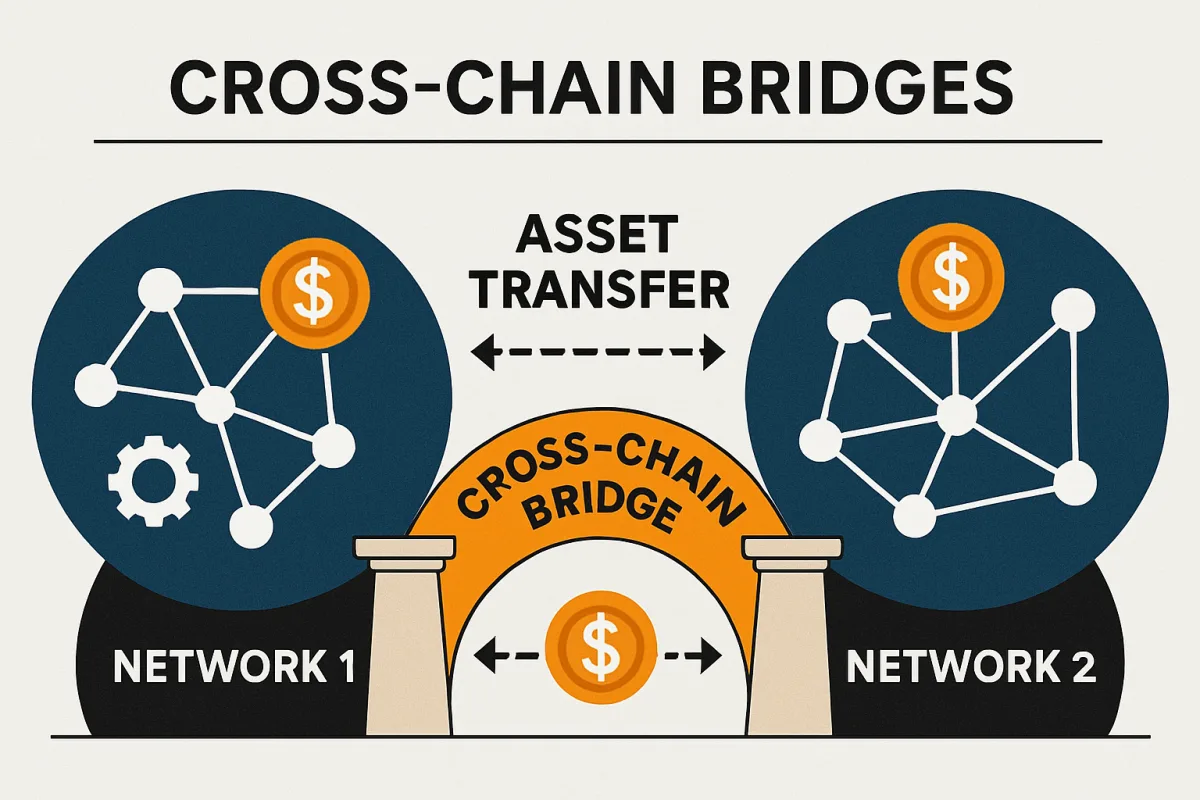
Cross-chain bridges are essential tools in the blockchain ecosystem, enabling the transfer of assets and data between different blockchain networks. They facilitate interoperability, allowing users to move tokens across chains seamlessly. Popular options include the Binance Smart Chain Bridge and the Avalanche Bridge, each catering to specific use cases and offering unique features. However, users should be aware of potential risks such as security vulnerabilities and transaction fees associated with these bridges. Understanding the mechanics and implications of using cross-chain bridges is crucial for anyone looking to navigate the decentralized finance (DeFi) landscape effectively.
Quick Summary
Cross-chain bridges play a vital role in enhancing blockchain interoperability by allowing assets to move between different networks. Notable examples include the Binance Smart Chain Bridge and the Avalanche Bridge, each with distinct functionalities. While they offer significant advantages, such as increased liquidity and access to diverse ecosystems, users must also consider risks like security issues and transaction costs. A thorough understanding of these bridges is essential for effective participation in the DeFi space, making informed decisions about asset transfers and network interactions.
Curator Notes
Cross-chain bridges have emerged as a critical component of the blockchain landscape, addressing the challenge of interoperability among various blockchain networks. These bridges allow users to transfer assets, such as tokens or NFTs, between different chains, enabling a more fluid and interconnected ecosystem. This capability is particularly important in decentralized finance (DeFi), where users often seek to leverage the unique features of multiple platforms.
The Binance Smart Chain Bridge is one of the most widely used options, allowing users to transfer assets between Binance Smart Chain and Ethereum. Its popularity stems from the low transaction fees and fast processing times, making it an attractive choice for those looking to move assets quickly. However, users should be cautious of potential security vulnerabilities that can arise from using third-party bridges.
Another notable option is the Avalanche Bridge, which offers a seamless experience for transferring assets between Avalanche and Ethereum. It stands out due to its emphasis on speed and low costs, making it suitable for users who prioritize efficiency. Yet, like all bridges, it is not without risks, including the possibility of smart contract exploits.
When considering which bridge to use, it's essential to evaluate the specific needs of your transactions. Factors such as transaction fees, speed, and the supported assets on each platform can significantly influence your choice. Additionally, understanding the underlying technology and security measures of each bridge can help mitigate risks associated with asset transfers.
It's also worth noting that while cross-chain bridges enhance liquidity and access to diverse ecosystems, they can introduce complexities. Users must navigate different interfaces and protocols, which may require a learning curve, especially for those new to blockchain technology. In conclusion, cross-chain bridges are indispensable for anyone looking to maximize their blockchain experience.
They facilitate the movement of assets across networks, but users must remain vigilant about security and transaction costs. A well-informed approach will enable users to leverage these tools effectively while minimizing potential pitfalls. As the blockchain space continues to evolve, the development of more robust and secure cross-chain solutions will likely enhance user experience and broaden the scope of decentralized applications.
Keeping abreast of emerging technologies and trends in this area will be crucial for participants in the DeFi ecosystem.
Recommended Options
- Binance Smart Chain Bridge: Best for Users looking for fast and low-cost asset transfers between Binance Smart Chain and Ethereum. Offers low fees and quick transaction times, making it user-friendly. Signal checked: Widely adopted with numerous transactions processed daily. Alternative to consider: Ethereum Bridge for more extensive Ethereum-based asset transfers.
- Avalanche Bridge: Best for Users prioritizing speed and low costs for transferring assets between Avalanche and Ethereum. Focuses on efficiency and low transaction costs, appealing for high-frequency traders. Signal checked: Gaining traction in the DeFi space with a growing user base. Alternative to consider: Polygon Bridge for users interested in Layer 2 solutions.
Best Sources
Videos and Community Signals
What exactly are cross-chain bridges, how do they work and why are blockchain bridges needed in the crypto industry? Another ...
A practical guide to cross-chain bridges explained with simple analogies and real-world examples. Learn how to move assets ...
Comparison
| Decision Point | Good Starting Choice | When to Go Further |
|---|---|---|
| Transaction Speed | Binance Smart Chain Bridge offers rapid transfers. | Avalanche Bridge provides even faster transaction speeds for high-volume users. |
| Transaction Fees | Binance Smart Chain Bridge has low fees, suitable for casual users. | Avalanche Bridge's fees are competitive, ideal for frequent traders. |
| Supported Assets | Binance Smart Chain Bridge supports major tokens. | Avalanche Bridge supports a wider range of assets, appealing to diverse users. |
FAQ
Cross-chain bridges are tools that facilitate the transfer of assets between different blockchain networks, enhancing interoperability.
While many bridges are secure, users should be cautious of potential vulnerabilities and always conduct due diligence.
Fees vary by bridge and can include transaction fees and network fees, so it's essential to check before transferring assets.