Crate Training a Puppy Guide
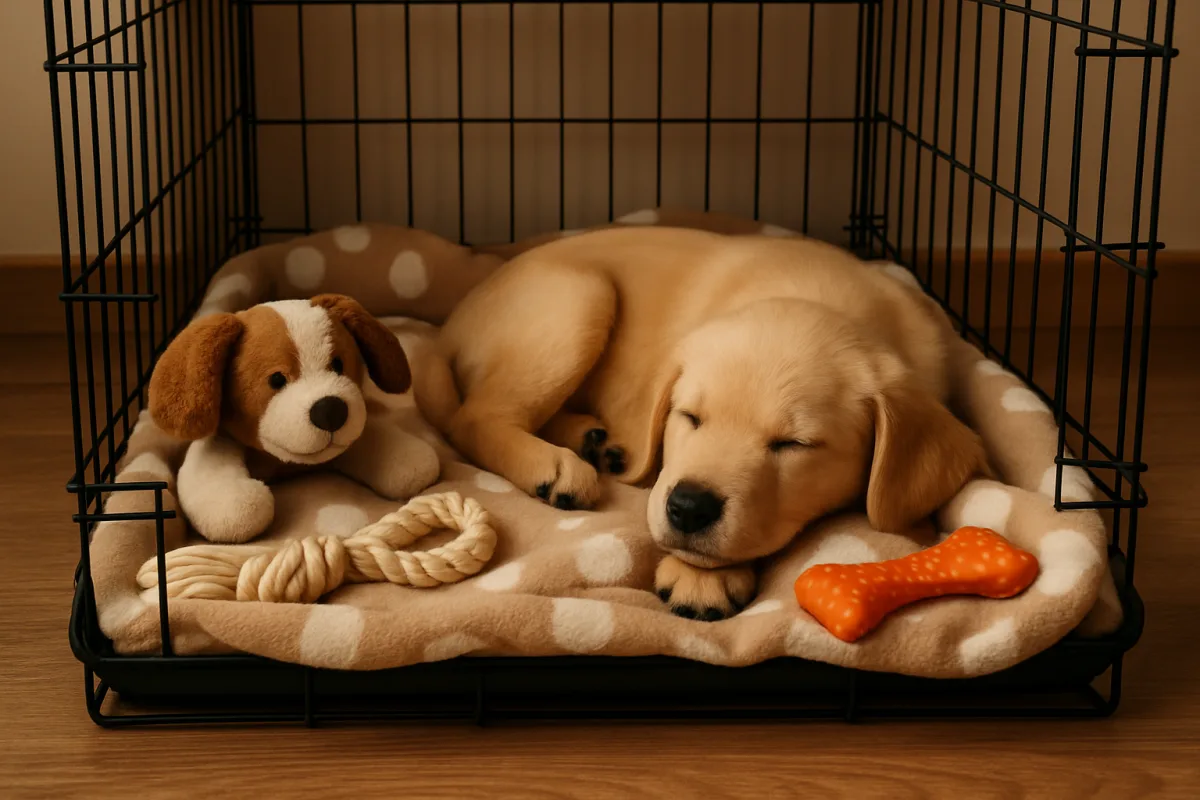
Crate training a puppy involves teaching your dog to see their crate as a safe and comfortable space. Start by introducing the crate gradually, using treats and praise to encourage your puppy to enter. Keep the crate in a common area and never use it as punishment. Gradually increase the time your puppy spends inside, ensuring they have positive experiences. Consistency and patience are key to successful crate training.
Quick Summary
Crate training is an essential skill for new puppy owners. It helps in house training and provides a safe space for your puppy. This guide covers the steps to effectively crate train your puppy, including tips on making the crate a positive environment and common mistakes to avoid.
Curator Notes
Crate training a puppy can be a rewarding experience for both the pet and the owner. The first step is to choose the right crate size; it should be large enough for your puppy to stand, turn around, and lie down comfortably, but not so large that they can use one corner as a bathroom. Introduce the crate slowly, allowing your puppy to explore it at their own pace.
Use treats and toys to make the crate inviting, and encourage your puppy to enter voluntarily. Once your puppy is comfortable entering the crate, start closing the door for short periods while you are nearby. Gradually increase the duration and distance as your puppy becomes more accustomed to being inside.
Always associate the crate with positive experiences, such as feeding or giving treats. Avoid using the crate as a form of punishment, as this can create negative associations. Be patient and consistent, as crate training can take several weeks to master, but the benefits will be worth the effort.
Recommended Options
- Petmate Two-Door Top Load Kennel: Best for Small to medium-sized puppies This kennel features a top-loading door for easy access and a sturdy design. Signal checked: Highly rated for durability and ease of use. Alternative to consider: MidWest Homes for Pets Dog Crate
- Frisco Dog Crate: Best for All sizes of puppies Available in multiple sizes and includes a divider panel for growth. Signal checked: Popular among pet owners for its versatility and affordability. Alternative to consider: AmazonBasics Folding Metal Dog Crate
Best Sources
Videos and Community Signals
Crate training your dog can be hard when you don't know what to do but there are some simple easy steps to help you have ...
How to potty train and crate train your puppy! Thank you BARK! for sponsoring the Dog Training Revolution ❤️ Get a FREE ...
Comparison
| Decision Point | Good Starting Choice | When to Go Further |
|---|---|---|
| Crate Size | Choose a crate that fits your puppy's current size. | Select a crate with a divider for future growth. |
| Material | Plastic crates for travel and security. | Metal crates for durability and ventilation. |
| Training Duration | Start with short periods (5-10 minutes). | Gradually increase to longer durations (up to several hours). |
FAQ
Puppies can typically stay in a crate for one hour per month of age, up to a maximum of 4-5 hours.
It's normal for puppies to cry initially. Ensure they have had enough exercise and bathroom breaks before crating.