Core Web Vitals Optimization
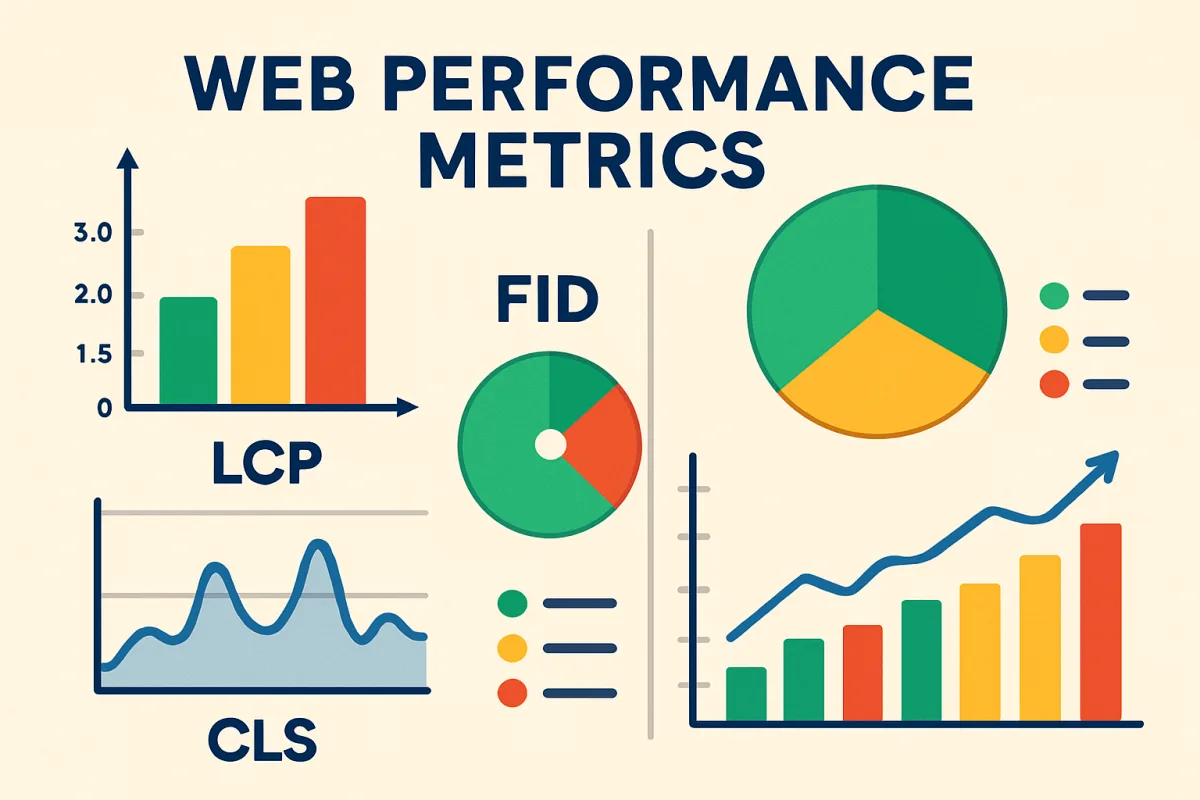
Optimizing Core Web Vitals involves improving three key metrics: Largest Contentful Paint (LCP), First Input Delay (FID), and Cumulative Layout Shift (CLS). To enhance LCP, focus on server response times and image optimization. For FID, ensure your JavaScript is efficient and minimize blocking resources. To reduce CLS, avoid unexpected layout shifts by properly sizing images and ads. Tools like Google PageSpeed Insights and Lighthouse can help identify specific areas for improvement, making it easier to enhance user experience and SEO performance.
Quick Summary
Core Web Vitals are essential metrics for measuring user experience on the web, focusing on loading performance, interactivity, and visual stability. To optimize these metrics, prioritize server speed, efficient JavaScript execution, and stable layouts. Tools such as Google PageSpeed Insights provide actionable insights for improvements. Addressing these areas not only enhances user satisfaction but also positively impacts search engine rankings. A strategic approach to optimization can lead to significant performance gains and a better overall experience for visitors.
Curator Notes
Core Web Vitals are critical for assessing the user experience on websites. They consist of three main metrics: Largest Contentful Paint (LCP), First Input Delay (FID), and Cumulative Layout Shift (CLS). Understanding these metrics is the first step in effective optimization.
LCP measures loading performance, focusing on how quickly the main content of a page is visible. Aim for an LCP of 2.5 seconds or less for optimal performance. This can often be achieved by optimizing images, leveraging browser caching, and improving server response times.
First Input Delay (FID) gauges interactivity, specifically the time it takes for a page to respond to user interactions. A good FID is under 100 milliseconds. To improve this, streamline your JavaScript by removing unnecessary code and deferring non-essential scripts.
This ensures that the main thread is available for user interactions, enhancing the overall responsiveness of your site. Cumulative Layout Shift (CLS) measures visual stability, quantifying how much the layout shifts during the page load. A CLS score of less than 0.1 is ideal.
To achieve this, ensure that images and ads have defined sizes, preventing unexpected shifts as content loads. This is particularly important for maintaining a positive user experience, as layout shifts can be frustrating for users. Utilizing tools like Google PageSpeed Insights and Lighthouse can provide valuable insights into your site's performance.
These tools not only measure your Core Web Vitals but also offer specific recommendations for improvement. Regularly monitoring these metrics can help you stay ahead of potential issues and maintain a high-quality user experience. It's also worth noting that while optimizing for Core Web Vitals is essential, it should be part of a broader strategy that includes overall site performance, accessibility, and SEO.
Balancing these elements will lead to a more comprehensive approach to web optimization. Finally, consider that optimization is an ongoing process. Regularly test your site, especially after making significant changes or updates, to ensure that your Core Web Vitals remain within recommended thresholds.
This proactive approach will help you maintain a competitive edge in search engine rankings and user satisfaction.
Recommended Options
- Google PageSpeed Insights: Best for Website owners and developers looking to analyze site performance. Offers detailed insights into Core Web Vitals and actionable recommendations. Signal checked: Widely used and trusted by web professionals. Alternative to consider: GTmetrix
- Google Lighthouse: Best for Developers wanting an in-depth performance audit. Provides comprehensive reports on performance, accessibility, and SEO. Signal checked: Integrated into Chrome DevTools, making it easily accessible. Alternative to consider: WebPageTest
- WebPageTest: Best for Detailed performance testing from various locations. Offers advanced testing options and real-world performance metrics. Signal checked: Highly regarded in the web development community. Alternative to consider: Pingdom
Best Sources
Videos and Community Signals
In this hands-on talk, we cover tips & tricks for optimizing your user-experience to meet the Core Web Vitals. We use tools like ...
Adjusting your website to meet Google's core web vitals criteria can be tricky, but our digital marketing team has the expertise to ...
Comparison
| Decision Point | Good Starting Choice | When to Go Further |
|---|---|---|
| LCP Improvement | Optimize images and server response times. | Implement lazy loading and CDN for faster delivery. |
| FID Reduction | Minimize JavaScript execution time. | Use web workers for offloading tasks. |
| CLS Mitigation | Define sizes for images and ads. | Use CSS to reserve space for dynamic content. |
FAQ
Core Web Vitals are metrics that measure the user experience of a website, focusing on loading performance, interactivity, and visual stability.
They are crucial for user satisfaction and can significantly impact search engine rankings, making optimization essential for web success.
You can use tools like Google PageSpeed Insights, Lighthouse, or WebPageTest to analyze your site's performance and get actionable insights.