Convertible Notes Explained Simply
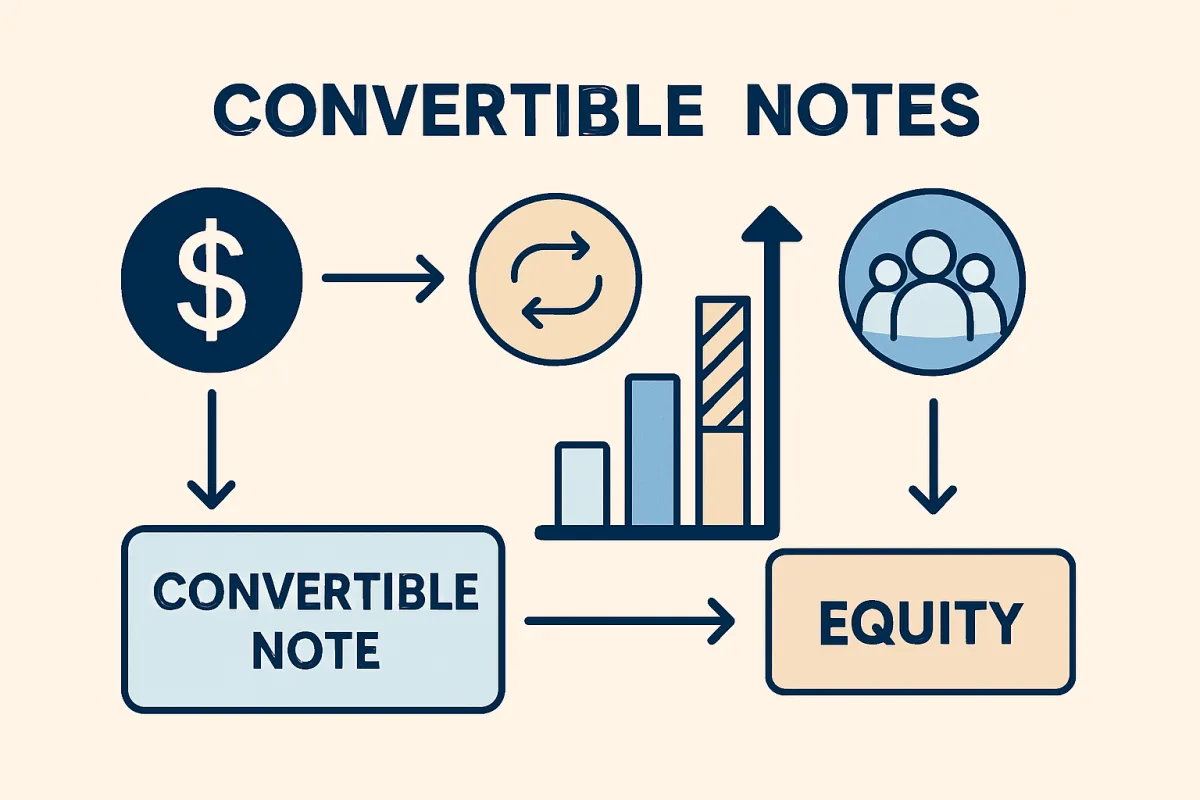
Convertible notes are short-term debt instruments that convert into equity, typically during a future financing round. They allow startups to raise capital without setting a valuation at the outset. Investors lend money with the expectation that their investment will convert into shares of the company, often at a discount or with additional benefits like interest. This mechanism is particularly useful for early-stage companies looking to attract funding while minimizing immediate valuation pressures.
Quick Summary
Convertible notes are a popular financing tool for startups, allowing them to raise funds without immediate equity valuation. They convert into equity during future financing rounds, providing investors with potential discounts or other incentives. This method simplifies early-stage funding while aligning interests between founders and investors.
Curator Notes
Convertible notes serve as a bridge between debt and equity financing, making them an attractive option for startups. When a startup issues a convertible note, it borrows money from investors with the promise that the loan will convert into equity at a later date, typically during the next funding round. This arrangement allows startups to delay valuation discussions, which can be challenging in early stages when the company's worth is uncertain.
Investors are drawn to convertible notes because they offer a way to invest in a startup with the potential for equity ownership at a favorable rate. Often, these notes come with incentives such as a discount on the future share price or interest that accrues until conversion. However, startups must be cautious, as excessive use of convertible notes can lead to dilution of ownership and complicate future funding rounds if not managed properly.
Best Sources
Videos and Community Signals
An explanation of how a convertible note works and the typical convertible note terms you'll see in a convertible note term sheet.
See a much more recent version of this video here: https://youtu.be/TOVQVfC-yG4 Ready to pitch to investors? We can help ...
Comparison
| Decision Point | Good Starting Choice | When to Go Further |
|---|---|---|
| Online booking | A simple booking page with service duration, staff assignment and confirmation emails. | Multi-location calendars, deposits, cancellation rules and waitlist handling. |
| Client records | Basic notes, visit history and contact details are enough to start. | Segmentation, purchase history, memberships, forms and before-after notes become more important. |
| Reminders | SMS or email reminders help reduce no-shows without adding admin work. | Automated rebooking, follow-up campaigns and missed-appointment recovery matter more. |
| Payments | Card capture and checkout should be simple and transparent. | Packages, memberships, staff commissions, tips and refunds need cleaner reporting. |
| Marketing | Light email or SMS campaigns are useful if they are easy to run. | Automated win-back, birthday offers, review requests and audience segments create more leverage. |
FAQ
Convertible notes allow startups to raise capital quickly without the need for immediate valuation. They also align investor interests with the company's growth, as investors benefit from future equity.
The main risks include potential dilution of ownership for founders and the possibility of complicated future funding rounds if too many convertible notes are issued.