Common Dog Health Issues by Breed
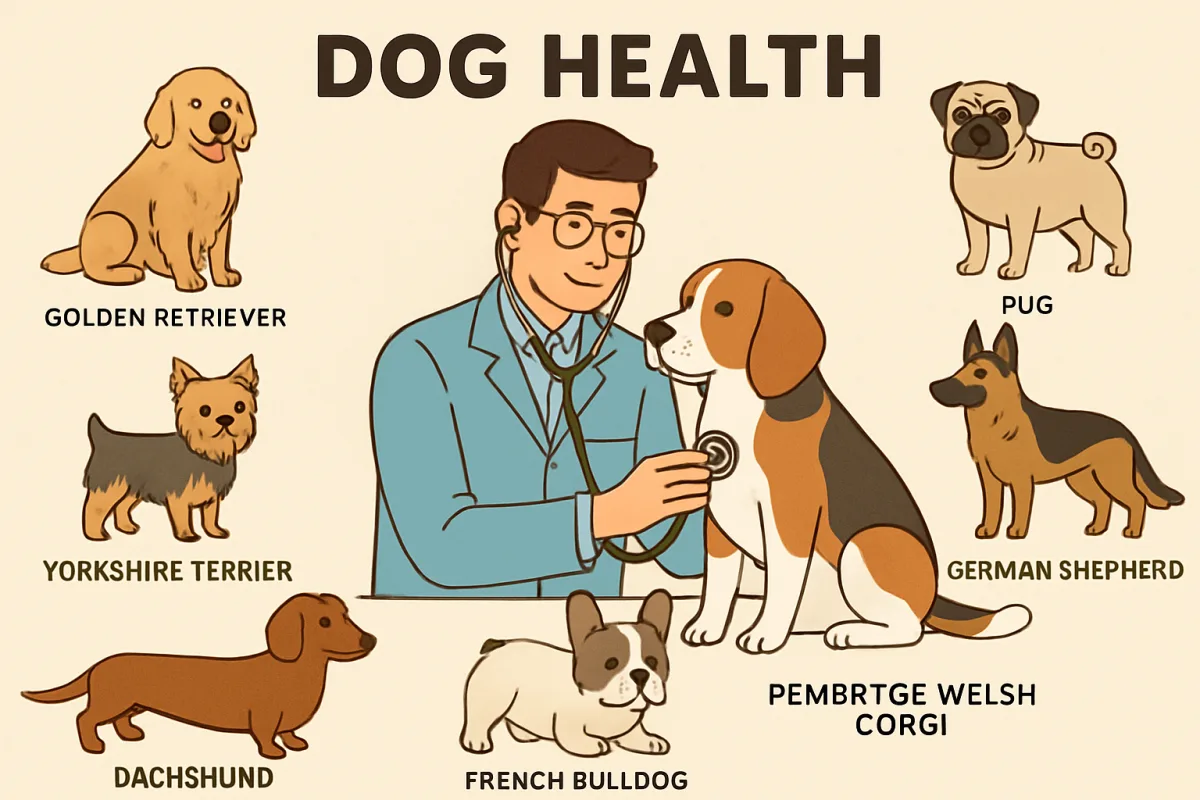
Different dog breeds are predisposed to specific health issues due to genetic factors. For example, large breeds like Great Danes often face hip dysplasia, while smaller breeds such as Dachshunds are prone to intervertebral disc disease. Understanding these breed-specific health concerns can help owners take preventive measures and seek timely veterinary care.
Quick Summary
This guide explores common health issues associated with various dog breeds, highlighting genetic predispositions and preventive care strategies. By understanding these issues, dog owners can better manage their pets' health and well-being.
Curator Notes
Dog breeds exhibit unique health challenges largely influenced by their genetics. For instance, large breeds like the Great Dane and German Shepherd are often susceptible to hip dysplasia, a condition that affects the hip joint and can lead to arthritis. Similarly, smaller breeds such as the Chihuahua and Dachshund frequently suffer from dental issues and intervertebral disc disease, respectively.
Recognizing these breed-specific conditions is crucial for proactive health management. Preventive care is essential for addressing these health issues. Regular veterinary check-ups, a balanced diet, and appropriate exercise can significantly mitigate risks.
Additionally, breed-specific health screenings can help identify potential problems early, allowing for timely intervention. Owners should also be aware of the signs of common ailments, such as limping or difficulty in mobility, which may indicate underlying health issues that require immediate attention.
Best Sources
Videos and Community Signals
10 Common Dog Health Issues Every Pet Owner Should Know Like with humans, health-related problems are part of a canine's ...
Understanding the common health issues specific to your dog's breed is essential for ensuring their long-term well-being.
Comparison
| Decision Point | Good Starting Choice | When to Go Further |
|---|---|---|
| Online booking | A simple booking page with service duration, staff assignment and confirmation emails. | Multi-location calendars, deposits, cancellation rules and waitlist handling. |
| Client records | Basic notes, visit history and contact details are enough to start. | Segmentation, purchase history, memberships, forms and before-after notes become more important. |
| Reminders | SMS or email reminders help reduce no-shows without adding admin work. | Automated rebooking, follow-up campaigns and missed-appointment recovery matter more. |
| Payments | Card capture and checkout should be simple and transparent. | Packages, memberships, staff commissions, tips and refunds need cleaner reporting. |
| Marketing | Light email or SMS campaigns are useful if they are easy to run. | Automated win-back, birthday offers, review requests and audience segments create more leverage. |
FAQ
Large dog breeds commonly face health issues such as hip dysplasia, elbow dysplasia, and certain types of heart disease. Regular veterinary check-ups and preventive care can help manage these risks.
Yes, small dog breeds often experience health issues like dental problems, patellar luxation, and heart disease. It's important for owners to monitor their small breeds closely and provide regular dental care.
Preventive measures include regular veterinary visits, a balanced diet, proper exercise, and breed-specific health screenings. Being aware of your dog's breed-related risks can also help in early detection.