Collections on Your Credit Report
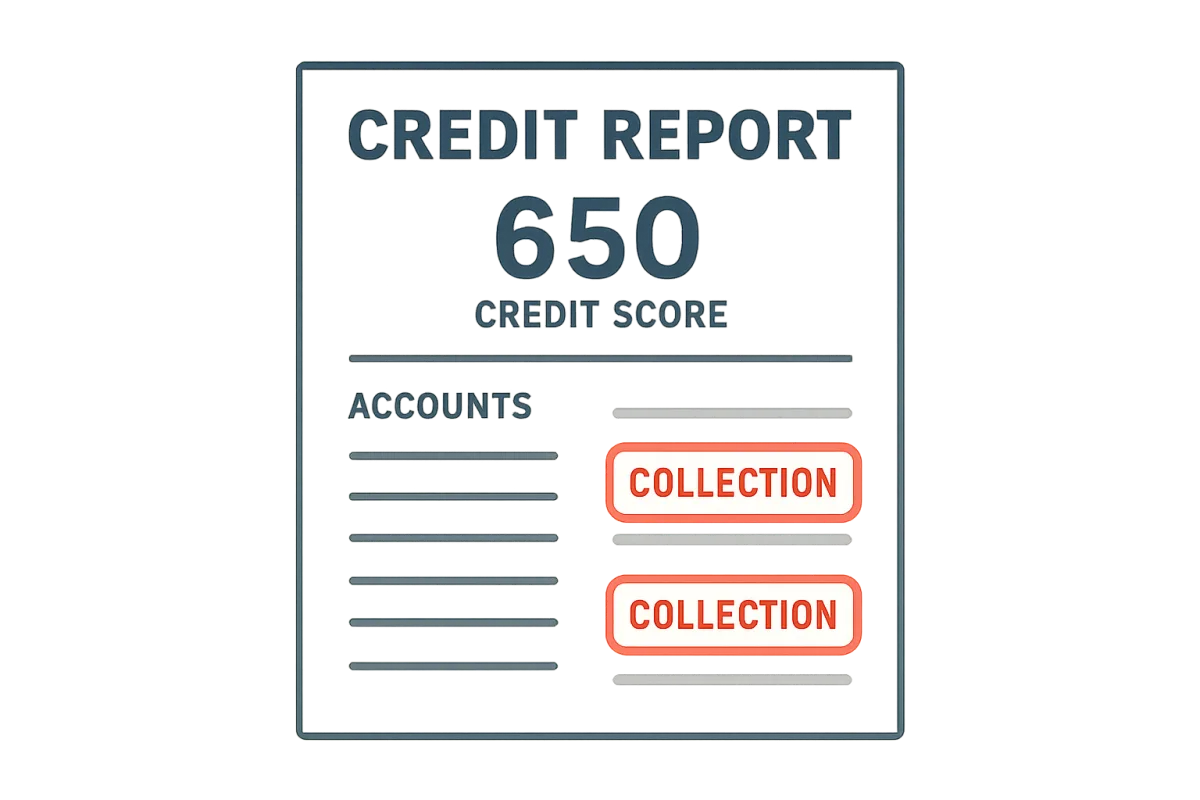
Collections on your credit report indicate unpaid debts that have been sent to a collection agency. These entries can significantly impact your credit score and remain on your report for up to seven years. It's crucial to understand how collections work, how they affect your credit, and what steps you can take to address them. You can dispute inaccuracies, negotiate with collectors, or seek professional help to manage your credit health effectively.
Quick Summary
Understanding collections on your credit report is essential for maintaining good credit health. Collections arise when debts are unpaid and handed over to collection agencies, potentially damaging your credit score. They can stay on your report for up to seven years, making it vital to address them promptly. Options include disputing inaccuracies, negotiating with collectors, or seeking professional assistance. Being proactive can help mitigate the negative effects on your credit profile.
Curator Notes
Collections on your credit report are serious entries that reflect unpaid debts. When a creditor cannot collect a debt, they may sell it to a collection agency, which then attempts to recover the amount owed. This process can lead to a significant drop in your credit score, making it harder to secure loans or favorable interest rates in the future.
Understanding how these collections work is the first step in managing your credit health. The impact of collections on your credit score can be severe. Generally, a collection account can lower your score by 100 points or more, depending on your overall credit profile.
It's important to note that even if you pay off a collection, the entry will remain on your report for up to seven years from the original delinquency date. This long-lasting effect emphasizes the need to address debts before they reach the collection stage. If you find a collection on your credit report, the first step is to verify its accuracy.
You have the right to dispute any inaccuracies with the credit bureau. If the collection agency cannot provide proof of the debt, it must be removed from your report. This process can take some time, but it's a crucial step in ensuring your credit report is accurate.
Negotiating with collection agencies is another viable option. Many collectors are willing to settle for less than the full amount owed, especially if you can pay a lump sum. Ensure you get any agreements in writing before making payments.
This can help you avoid future disputes regarding the settled amount. In some cases, seeking professional help may be beneficial. Credit counseling services can provide guidance on managing debts and improving your credit score.
They can assist in negotiating with creditors and developing a plan to pay off debts systematically. However, be cautious and choose reputable services to avoid scams. Lastly, maintaining good credit practices can help mitigate the impact of collections.
Regularly monitoring your credit report, making timely payments, and keeping credit utilization low can help maintain a healthy credit score. Being proactive and informed about your credit can empower you to make better financial decisions and avoid the pitfalls of collections.
Best Sources
Videos and Community Signals
Start eliminating debt for free with EveryDollar - https://ter.li/3w6nto Have a question for the show? Call 888-825-5225 ...
The CFPB is pressuring debt collectors like never before—and collection accounts are getting DELETED. In this video, Mike the ...
Comparison
| Decision Point | Good Starting Choice | When to Go Further |
|---|---|---|
| Online booking | A simple booking page with service duration, staff assignment and confirmation emails. | Multi-location calendars, deposits, cancellation rules and waitlist handling. |
| Client records | Basic notes, visit history and contact details are enough to start. | Segmentation, purchase history, memberships, forms and before-after notes become more important. |
| Reminders | SMS or email reminders help reduce no-shows without adding admin work. | Automated rebooking, follow-up campaigns and missed-appointment recovery matter more. |
| Payments | Card capture and checkout should be simple and transparent. | Packages, memberships, staff commissions, tips and refunds need cleaner reporting. |
| Marketing | Light email or SMS campaigns are useful if they are easy to run. | Automated win-back, birthday offers, review requests and audience segments create more leverage. |
FAQ
Collections can remain on your credit report for up to seven years from the date of the original delinquency.
Yes, you can dispute inaccuracies or negotiate with the collection agency to have it removed upon payment.
Verify the accuracy of the collection, dispute it if incorrect, and consider negotiating with the agency.