Clean Eating Basics Guide
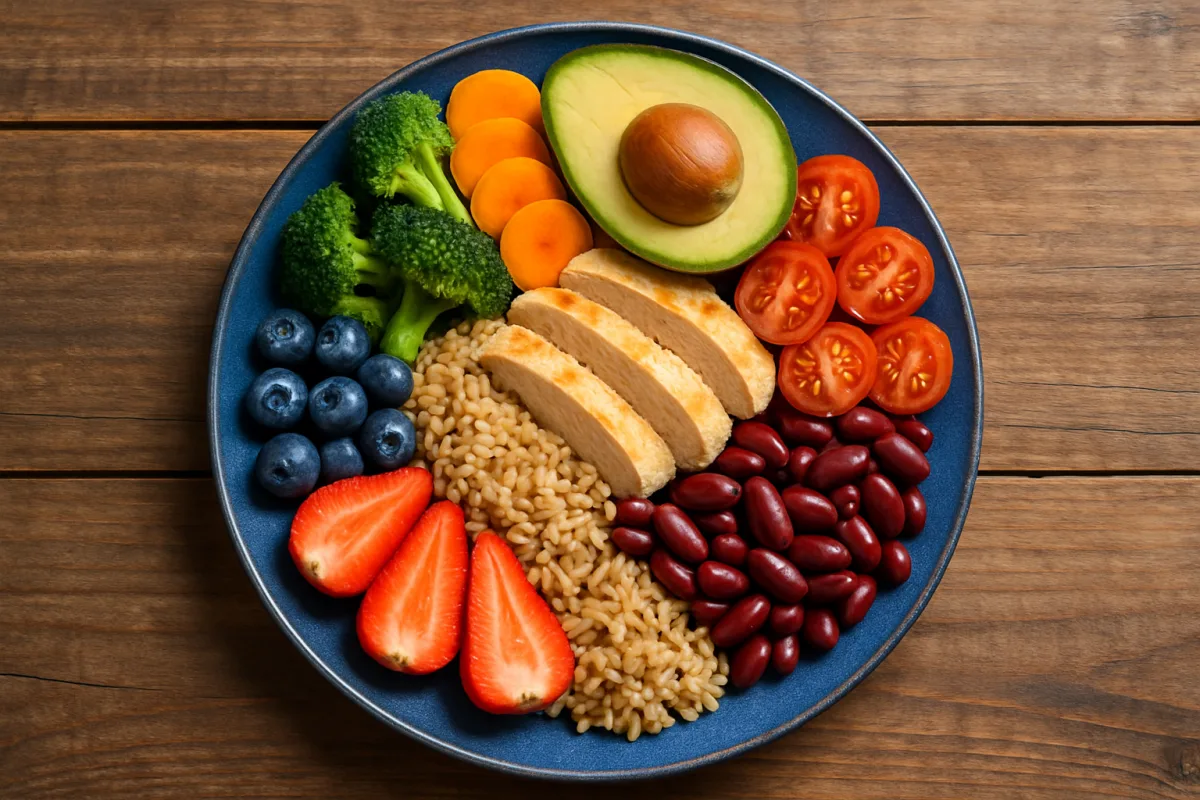
Clean eating focuses on consuming whole, minimally processed foods while avoiding additives and refined ingredients. This approach emphasizes fruits, vegetables, whole grains, lean proteins, and healthy fats. The goal is to nourish the body with nutrient-dense foods that promote overall health and well-being. By prioritizing fresh, seasonal produce and reducing reliance on packaged items, individuals can improve their dietary habits and potentially enhance their energy levels, mood, and long-term health outcomes. Clean eating is not just a diet; it's a lifestyle choice that encourages mindful eating and an awareness of food sources.
Quick Summary
Clean eating is about choosing whole, unprocessed foods and avoiding additives and refined ingredients. This lifestyle promotes better health by emphasizing fruits, vegetables, whole grains, and lean proteins. By making informed food choices, individuals can enhance their energy and overall well-being. Clean eating isn't just a trend; it's a sustainable approach to nutrition that encourages mindfulness and awareness of what we consume.
Curator Notes
Clean eating is a dietary approach that emphasizes whole, unprocessed foods. The core principle is to consume foods in their most natural state, which means prioritizing fruits, vegetables, whole grains, lean proteins, and healthy fats. This method not only nourishes the body but also helps to avoid harmful additives and preservatives often found in processed foods.
One of the main benefits of clean eating is its potential to improve overall health. By focusing on nutrient-dense foods, individuals may experience increased energy levels, improved digestion, and better mood regulation. This approach encourages a balanced intake of essential nutrients, which can lead to long-term health benefits such as weight management and reduced risk of chronic diseases.
However, clean eating is not without its challenges. It requires a commitment to meal planning and preparation, which can be time-consuming. Additionally, it may involve a learning curve as individuals become more aware of food labels and ingredient lists.
It’s essential to approach clean eating with a mindset of flexibility rather than perfection, allowing for occasional indulgences without guilt. Another consideration is the cost associated with clean eating. Fresh produce and organic options can be pricier than processed alternatives.
However, many find that the investment in quality food pays off in terms of health benefits and reduced medical expenses in the long run. Shopping seasonally and locally can help mitigate some of these costs. Mindful eating is a significant aspect of the clean eating philosophy.
This means being aware of what you eat, how much you eat, and the impact of food choices on your body. Practicing mindfulness can lead to better digestion and satisfaction with meals, reducing the likelihood of overeating. In summary, clean eating is more than just a diet; it’s a lifestyle choice that encourages individuals to be conscious of their food choices.
By focusing on whole foods and being mindful of eating habits, individuals can cultivate a healthier relationship with food and improve their overall well-being. The journey towards clean eating can be rewarding, fostering a deeper connection to the food we consume and its impact on our health.
Best Sources
Videos and Community Signals
Whether you want to learn how to lose weight, gain energy, or simply feel better, clean eating can be a super helpful guide.
View full lesson: http://ed.ted.com/lessons/how-the-food-you-eat-affects-your-brain-mia-nacamulli When it comes to what you bite, ...
Comparison
| Decision Point | Good Starting Choice | When to Go Further |
|---|---|---|
| Online booking | A simple booking page with service duration, staff assignment and confirmation emails. | Multi-location calendars, deposits, cancellation rules and waitlist handling. |
| Client records | Basic notes, visit history and contact details are enough to start. | Segmentation, purchase history, memberships, forms and before-after notes become more important. |
| Reminders | SMS or email reminders help reduce no-shows without adding admin work. | Automated rebooking, follow-up campaigns and missed-appointment recovery matter more. |
| Payments | Card capture and checkout should be simple and transparent. | Packages, memberships, staff commissions, tips and refunds need cleaner reporting. |
| Marketing | Light email or SMS campaigns are useful if they are easy to run. | Automated win-back, birthday offers, review requests and audience segments create more leverage. |
FAQ
Clean eating involves choosing whole, unprocessed foods and avoiding additives and refined ingredients to promote better health.
Clean foods include fruits, vegetables, whole grains, lean proteins, and healthy fats, while avoiding processed items.
While fresh produce can be pricier, shopping seasonally and locally can help manage costs.
Yes, clean eating encourages a flexible approach, allowing for occasional treats without guilt.
Begin by planning meals with whole foods, reading labels, and gradually reducing processed items from your diet.