Classroom Management Strategies
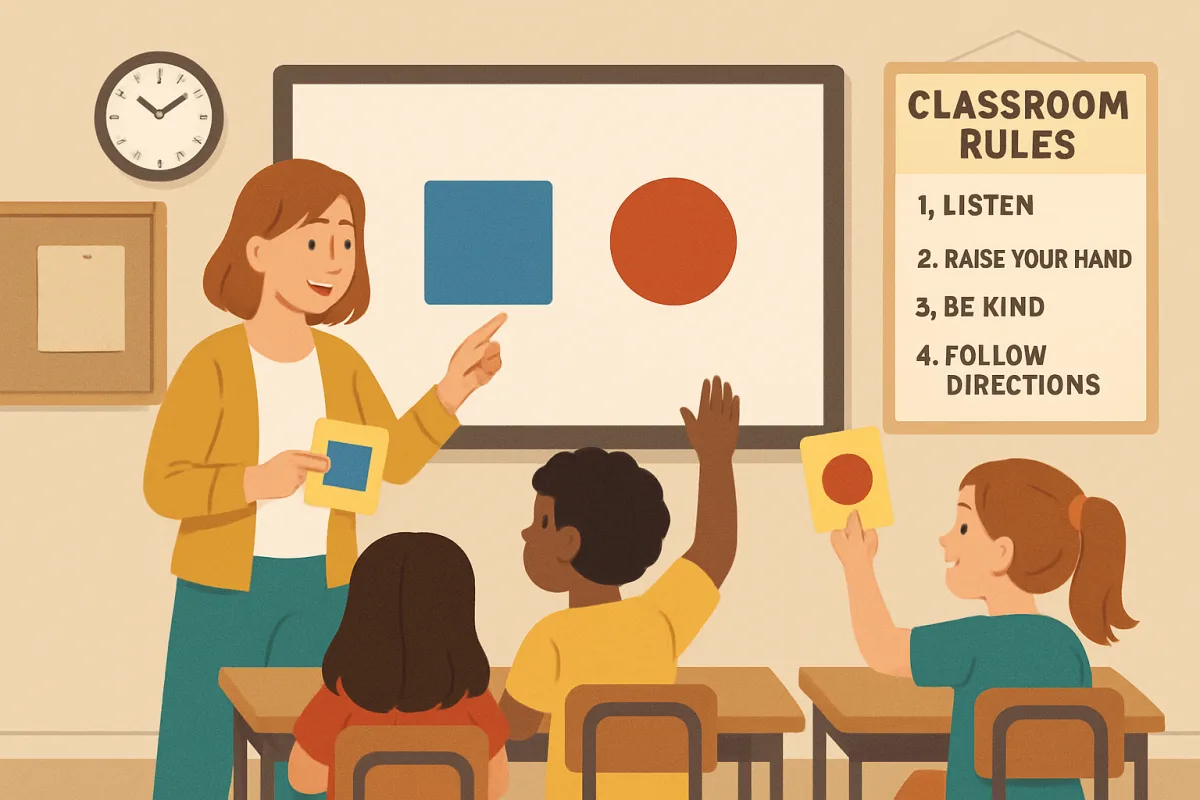
Effective classroom management strategies are essential for creating a productive learning environment. Techniques such as establishing clear rules, using positive reinforcement, and incorporating engaging activities can significantly enhance student behavior and engagement. Additionally, utilizing technology tools for tracking behavior and communication can streamline management efforts. It's important to adapt strategies to fit the unique dynamics of each classroom.
Quick Summary
This guide explores effective classroom management strategies that foster a positive learning environment. Key techniques include setting clear expectations, using positive reinforcement, and engaging students through interactive activities. By implementing these strategies, educators can improve student behavior and enhance overall classroom dynamics.
Curator Notes
Classroom management is crucial for fostering an environment conducive to learning. Establishing clear rules and expectations at the beginning of the school year sets the tone for student behavior. When students understand what is expected of them, they are more likely to comply.
Additionally, using positive reinforcement—such as praise or rewards—can motivate students to adhere to these rules and engage more actively in class activities. Incorporating interactive and engaging activities is another effective strategy. Activities that involve collaboration, hands-on learning, or technology can capture students' attention and reduce disruptive behavior.
Furthermore, utilizing technology tools for tracking student behavior and communication can help teachers manage their classrooms more efficiently. Tools like ClassDojo or Google Classroom allow for real-time feedback and can enhance communication between teachers, students, and parents. Ultimately, the key to successful classroom management lies in adaptability.
Each classroom has its unique dynamics, and strategies should be tailored to meet the specific needs of the students. Regular reflection and adjustment of management techniques can lead to a more harmonious and productive learning environment.
Recommended Options
- ClassDojo: Best for Teachers looking for a behavior tracking tool ClassDojo allows teachers to communicate with parents and track student behavior in real-time. Signal checked: Widely used in schools, with positive reviews from educators. Alternative to consider: Classroom Management Apps like Classcraft
- Google Classroom: Best for Educators seeking a comprehensive learning management system Integrates seamlessly with other Google tools, making it easy to manage assignments and communication. Signal checked: Popular among educators for its user-friendly interface and integration capabilities. Alternative to consider: Microsoft Teams for Education
- Positive Discipline: Best for Teachers interested in a comprehensive approach to classroom management Focuses on building respectful relationships and teaching social-emotional skills. Signal checked: Backed by research and widely adopted in various educational settings. Alternative to consider: Responsive Classroom approach
Best Sources
Videos and Community Signals
When students act out in class, it can be challenging to find positive ways to address their behavior. Here's what the research ...
Discover practical teacher strategies for behaviour management in early childhood education to foster a positive learning ...
Comparison
| Decision Point | Good Starting Choice | When to Go Further |
|---|---|---|
| Behavior Tracking | ClassDojo for simple behavior management | Google Classroom for integrated learning management |
| Parent Communication | ClassDojo for direct updates | Google Classroom for comprehensive assignment feedback |
| Teaching Approach | Positive Discipline for foundational strategies | Responsive Classroom for advanced social-emotional learning |
FAQ
Key components include setting clear expectations, using positive reinforcement, engaging students with interactive activities, and maintaining open communication with parents.
Technology can streamline communication, track student behavior in real-time, and provide tools for organizing assignments and feedback.