CBT vs DBT: What's the Difference?
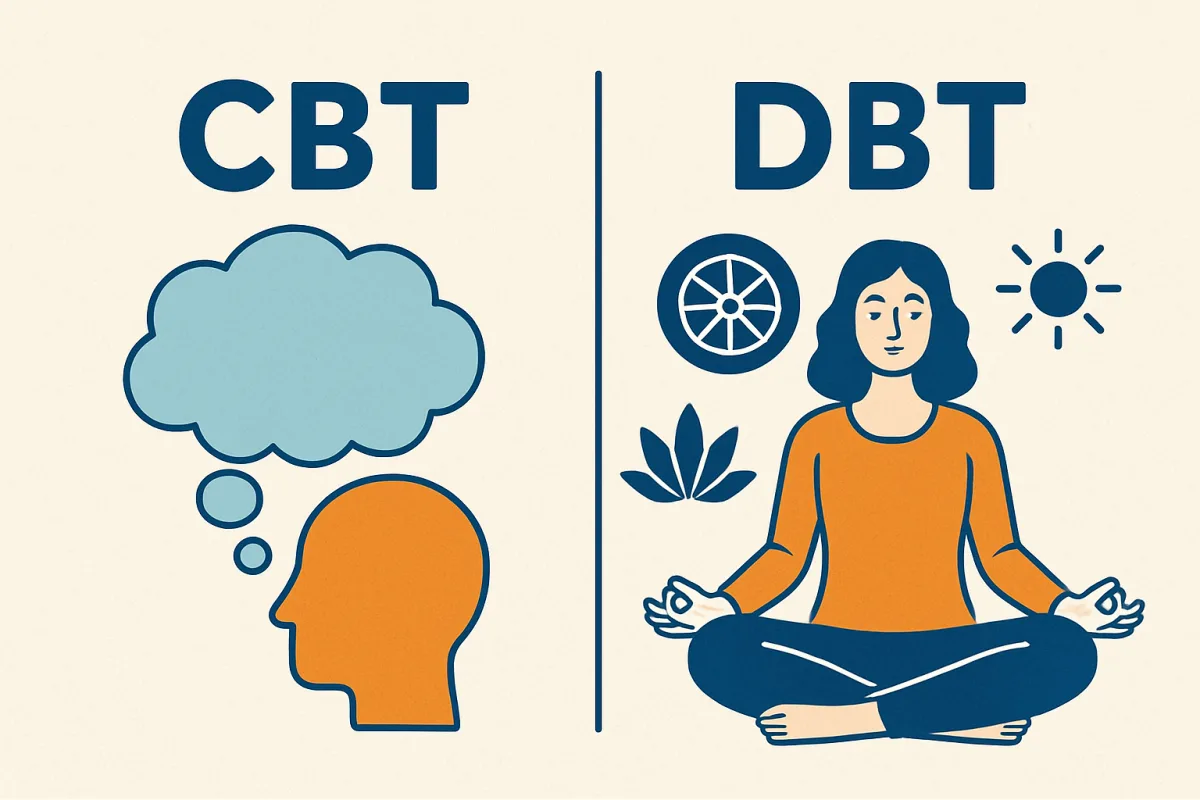
Cognitive Behavioral Therapy (CBT) and Dialectical Behavior Therapy (DBT) are both effective therapeutic approaches, but they serve different purposes and populations. CBT focuses on identifying and changing negative thought patterns and behaviors, making it suitable for a variety of mental health issues like anxiety and depression. DBT, on the other hand, is specifically designed for individuals with borderline personality disorder and emphasizes emotional regulation and interpersonal effectiveness. While CBT is more structured and goal-oriented, DBT incorporates mindfulness and acceptance strategies, making it a more holistic approach. Choosing between them depends on the specific needs and conditions of the individual seeking therapy.
Quick Summary
Understanding the differences between Cognitive Behavioral Therapy (CBT) and Dialectical Behavior Therapy (DBT) is crucial for selecting the right therapeutic approach. CBT is primarily focused on altering negative thought patterns and behaviors, making it effective for conditions such as anxiety and depression. In contrast, DBT is tailored for those with emotional regulation issues, particularly individuals with borderline personality disorder. It combines traditional cognitive-behavioral techniques with mindfulness practices, fostering emotional resilience. The choice between CBT and DBT should be guided by the individual's specific mental health needs and therapeutic goals.
Curator Notes
Cognitive Behavioral Therapy (CBT) is a structured, time-limited approach that aims to change unhelpful cognitive distortions and behaviors. It is widely used for treating anxiety disorders, depression, and other mental health issues. The method involves identifying negative thought patterns, challenging them, and replacing them with more constructive thoughts.
This approach is particularly effective because it empowers individuals to take control of their mental health by providing practical tools for managing their symptoms. On the other hand, Dialectical Behavior Therapy (DBT) was developed specifically for individuals with borderline personality disorder (BPD). It incorporates elements of CBT but adds a focus on mindfulness and emotional regulation.
DBT emphasizes the importance of accepting one's feelings while also working towards change. This dual focus helps individuals develop skills to manage intense emotions and improve interpersonal relationships, which are often challenging for those with BPD. One key difference lies in the structure of the therapies.
CBT typically involves weekly sessions over a few months, focusing on specific goals and outcomes. DBT, however, often includes a combination of individual therapy and group skills training, extending over a longer period. This comprehensive approach is designed to provide ongoing support and reinforcement of skills learned in therapy.
Another important distinction is the target population. While CBT can be beneficial for a wide range of mental health issues, DBT is specifically aimed at those struggling with severe emotional dysregulation. Therefore, individuals with BPD or those who experience self-harming behaviors may find DBT more beneficial than CBT.
When considering which therapy to pursue, it's essential to evaluate personal mental health needs. For someone dealing with anxiety or depression, CBT might be the more appropriate choice. Conversely, individuals who struggle with emotional instability and interpersonal conflicts may benefit more from DBT's unique focus on mindfulness and emotional skills.
Ultimately, both CBT and DBT have proven effective in their respective areas. The decision should be based on the individual's specific symptoms, therapeutic goals, and the recommendation of a qualified mental health professional. Understanding these differences can empower individuals to make informed choices about their mental health treatment options.
Best Sources
Videos and Community Signals
Manage your health with CareClinic—track symptoms, medications, and more. Download free https://careclinic.io/ Discover the ...
DBT vs CBT vs ART - here's how each one works its magic: CBT: Your client's brain learns that thoughts aren't facts. Behind the ...
Comparison
| Decision Point | Good Starting Choice | When to Go Further |
|---|---|---|
| Focus | CBT focuses on changing negative thought patterns. | DBT emphasizes emotional regulation and mindfulness. |
| Target Population | CBT is suitable for a wide range of mental health issues. | DBT is specifically designed for individuals with borderline personality disorder. |
| Structure | CBT typically involves weekly sessions for a few months. | DBT includes individual therapy and group skills training over a longer duration. |
| Skills Developed | CBT helps with cognitive restructuring and behavioral changes. | DBT teaches mindfulness, distress tolerance, and interpersonal effectiveness. |
FAQ
While CBT can be helpful, DBT is specifically designed for borderline personality disorder and may be more effective.
CBT usually lasts a few months with weekly sessions, while DBT can extend over a year with both individual and group sessions.
Yes, both CBT and DBT are supported by extensive research and have been shown to be effective for their respective target populations.