Cat Health Screenings Worth Getting
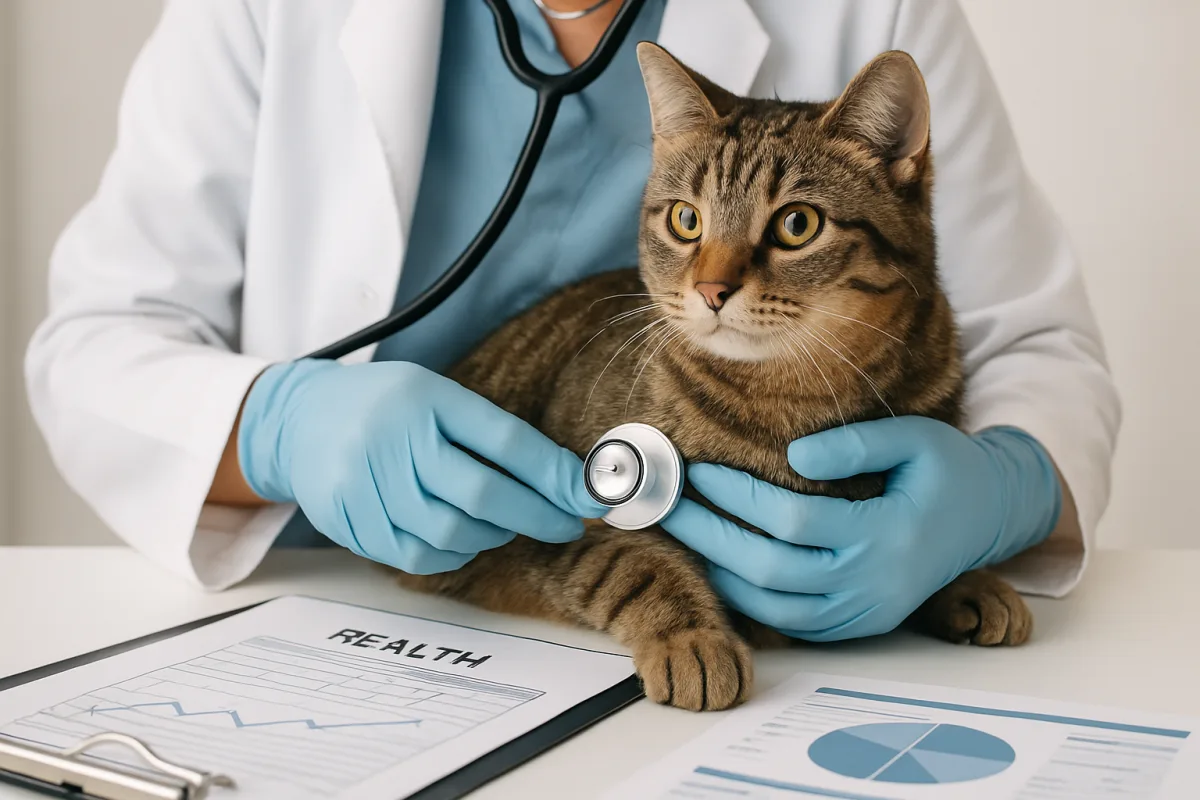
Cat health screenings are essential for early detection of health issues. Key screenings include wellness exams, blood tests, and vaccinations. Regular screenings can help catch conditions like diabetes, kidney disease, and dental issues early, improving treatment outcomes. Consult your veterinarian to determine the best screening schedule based on your cat's age, breed, and health history.
Quick Summary
Regular health screenings for cats are crucial for early detection of potential health issues. Important screenings include wellness exams, blood tests, and vaccinations. These help ensure your cat's long-term health and well-being.
Curator Notes
Health screenings for cats play a vital role in preventive care. Regular wellness exams allow veterinarians to assess your cat's overall health, check for signs of illness, and provide necessary vaccinations. These exams are typically recommended annually, but older or at-risk cats may require more frequent visits.
Blood tests are another important aspect of cat health screenings. They can detect underlying conditions such as diabetes, kidney disease, and hyperthyroidism before symptoms become apparent. Early detection through blood work can lead to more effective treatment options and better outcomes for your feline friend.
Additionally, dental health screenings are essential, as dental disease is common in cats and can lead to more serious health issues if left untreated. Regular dental check-ups and cleanings can prevent pain and other complications, ensuring your cat maintains a good quality of life.
Recommended Options
- Wellness Exam: Best for All cats, especially those over 7 years old Comprehensive health assessment including physical examination and vaccination updates. Signal checked: Veterinarians recommend annual wellness exams for early detection of health issues. Alternative to consider: Home health monitoring tools
- Blood Test: Best for Cats with existing health issues or those over 7 years old Identifies underlying health problems through blood analysis. Signal checked: Studies show early blood testing can significantly improve treatment outcomes. Alternative to consider: Urinalysis for kidney function assessment
- Vaccinations: Best for All cats, particularly kittens and those in contact with other animals Protects against common infectious diseases. Signal checked: Vaccination protocols are widely endorsed by veterinary associations. Alternative to consider: Titer testing to assess immunity levels
Best Sources
Videos and Community Signals
Is Wessie 22% American Shorthair? Or 12% Ragdoll? After using three tests, I learned that different DNA tests gave radically ...
www.vetlogic.co.uk We use video, animations, images, text and self-assessment to produce the most effective online training ...
Comparison
| Decision Point | Good Starting Choice | When to Go Further |
|---|---|---|
| Frequency of screenings | Annual wellness exams for healthy cats | Biannual exams for senior or at-risk cats |
| Type of tests | Basic physical exam and vaccinations | Comprehensive blood work and dental checks |
| Cost considerations | Low-cost clinics for basic exams | Full-service veterinary hospitals for extensive testing |
FAQ
Cats should have annual wellness exams, but older or at-risk cats may need biannual visits.
Signs include changes in appetite, weight loss, lethargy, or unusual behavior.
Yes, older cats often require more frequent blood tests and dental evaluations.