Carbs Worth Eating vs Carbs to Limit
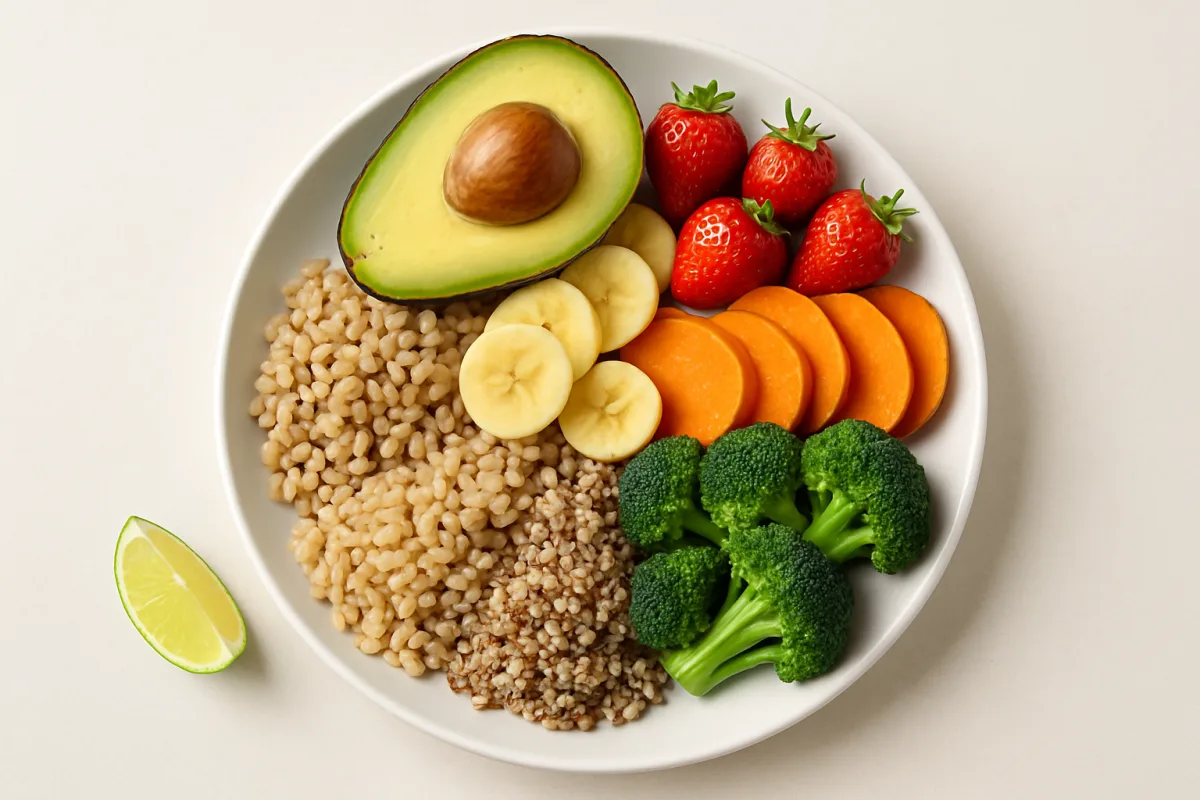
When considering carbohydrates, it's essential to differentiate between those that provide nutritional benefits and those that can contribute to health issues. Carbs worth eating include whole grains, fruits, and vegetables, which offer fiber, vitamins, and minerals. In contrast, carbs to limit include refined sugars and processed grains, which can lead to weight gain and other health problems. Understanding these distinctions can help guide healthier dietary choices.
Quick Summary
This guide explores the types of carbohydrates to include in your diet versus those to limit. Whole grains, fruits, and vegetables are beneficial, while refined sugars and processed grains should be minimized. Learn how to make informed choices for better health.
Curator Notes
Carbohydrates are a crucial part of our diet, but not all carbs are created equal. Whole grains, fruits, and vegetables are rich in fiber, vitamins, and minerals, making them essential for a balanced diet. These foods help with digestion, provide sustained energy, and can reduce the risk of chronic diseases.
Incorporating these carbs can lead to better overall health and well-being. On the other hand, refined sugars and processed grains often lack nutritional value and can lead to health issues such as obesity and diabetes. These carbs are typically found in sugary snacks, white bread, and many processed foods.
Limiting these types of carbohydrates can help maintain a healthy weight and improve metabolic health. Understanding the difference between these carbohydrate types is vital for making informed dietary choices.
Recommended Options
- Quinoa: Best for Individuals seeking a nutritious whole grain alternative High in protein and fiber, gluten-free, and rich in essential nutrients. Signal checked: Widely recommended by nutritionists and has a high consumer rating. Alternative to consider: Brown rice
- Oats: Best for Those looking for a hearty breakfast option Rich in beta-glucans, which can lower cholesterol and improve heart health. Signal checked: Popular among health enthusiasts and featured in numerous diet plans. Alternative to consider: Barley
- Sweet Potatoes: Best for People wanting a nutritious, low-glycemic carbohydrate Signal checked: Often recommended in dietary guidelines for their health benefits. Alternative to consider: Butternut squash
Best Sources
Videos and Community Signals
If you want to learn how to lose fat then you are going to have to possibly re-learn how to eat carbs. Let's face it, you have likely ...
Carbs don't make you fat. Only too many total calories does. The anti-carb crowd loves to use their own personal anecdotes as ...
Comparison
| Decision Point | Good Starting Choice | When to Go Further |
|---|---|---|
| Nutritional Value | Focus on whole foods like fruits and vegetables. | Incorporate whole grains and legumes for added fiber and protein. |
| Impact on Blood Sugar | Choose low-glycemic options like sweet potatoes. | Monitor portion sizes of higher-glycemic foods. |
| Processing Level | Opt for minimally processed foods. | Limit intake of highly processed snacks and beverages. |
FAQ
The best sources include whole grains, fruits, vegetables, and legumes, which provide essential nutrients and fiber.
Refined carbohydrates can lead to weight gain, increased blood sugar levels, and a higher risk of chronic diseases.