Car Lease vs Buy: Which Is Better?
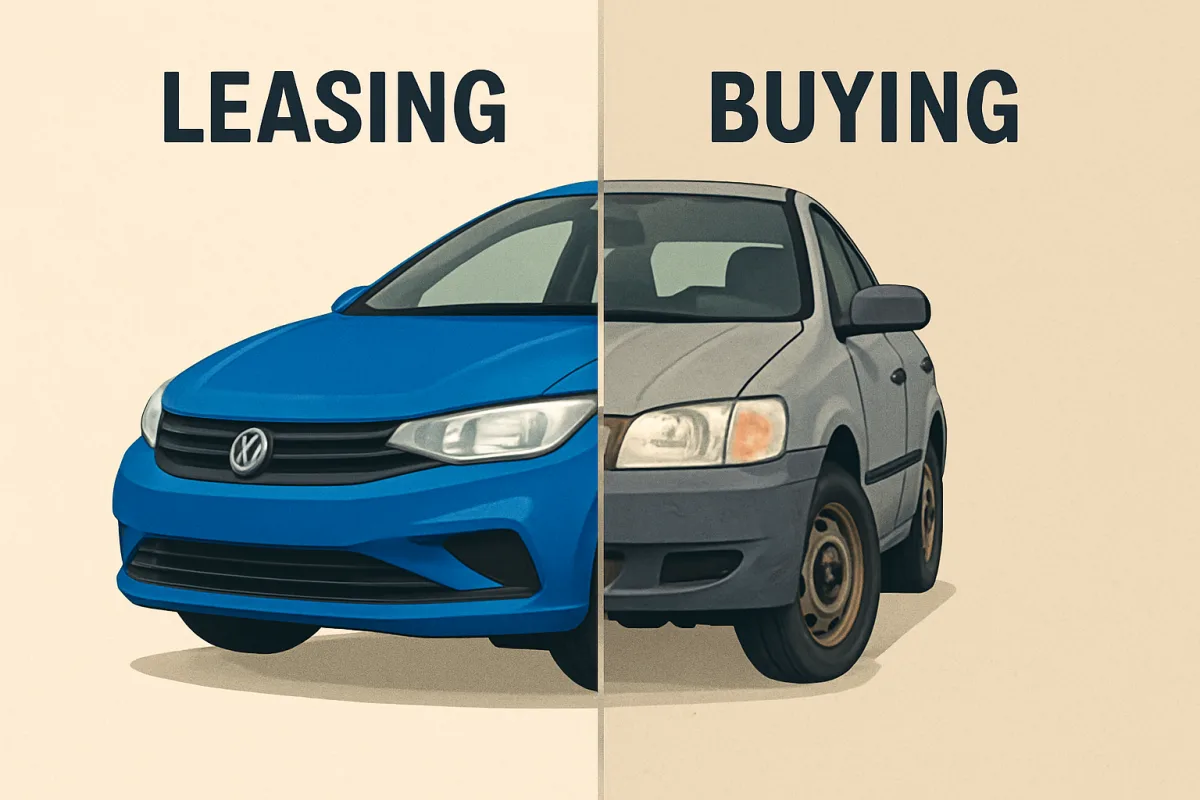
Deciding whether to lease or buy a car depends on your financial situation and driving habits. Leasing typically offers lower monthly payments and the ability to drive a new car every few years, making it ideal for those who prefer new vehicles and lower upfront costs. However, buying a car is often more economical in the long run, as you own the vehicle outright and can drive it as long as you want without mileage restrictions. Consider your budget, how long you plan to keep the car, and your driving needs when making this decision.
Quick Summary
Leasing a car usually involves lower monthly payments and access to newer models, while buying offers long-term ownership and no mileage limits. Your choice should reflect your financial goals and driving habits.
Curator Notes
When considering whether to lease or buy a car, it's essential to evaluate your personal circumstances. Leasing often appeals to those who enjoy driving the latest models without the commitment of ownership. Monthly payments for leases are generally lower than for purchases, and maintenance costs may also be covered under warranty.
However, leases typically come with mileage limits and potential fees for wear and tear, which can add up if you drive extensively. On the other hand, buying a car means you own the vehicle outright once it's paid off. This option is usually more cost-effective over time, especially if you plan to keep the car for several years.
You won't face mileage restrictions, and you can customize the vehicle as you wish. However, the upfront costs and monthly payments are generally higher compared to leasing. Ultimately, the decision should be based on your financial situation, how often you want to change cars, and your driving habits.
Recommended Options
- Toyota Camry: Best for Individuals seeking reliability and resale value. The Camry is known for its longevity and strong resale value, making it a solid purchase option. Signal checked: High ratings in reliability and customer satisfaction. Alternative to consider: Honda Accord
- Honda Civic: Best for Those looking for a compact car with good fuel efficiency. The Civic offers a blend of performance, comfort, and fuel economy. Signal checked: Strong sales and positive reviews across multiple platforms. Alternative to consider: Mazda3
- Ford F-150: Best for Individuals needing a versatile truck for work and personal use. The F-150 is America's best-selling truck, known for its capability and features. Signal checked: Consistently high sales figures and customer loyalty. Alternative to consider: Chevrolet Silverado
Best Sources
Videos and Community Signals
Leasing vs Buying a Car: Which is ACTUALLY Cheaper? We discuss this in today's video with a full scenario based on a Rav 4 ...
Start eliminating debt for free with EveryDollar - https://ter.li/3w6nto Have a question for the show? Call 888-825-5225 ...
Comparison
| Decision Point | Good Starting Choice | When to Go Further |
|---|---|---|
| Monthly Payments | Leasing offers lower payments, making it accessible for budget-conscious drivers. | Buying typically involves higher payments but leads to ownership and no future payments. |
| Ownership | Leasing means you never own the car, which can be a drawback for some. | Buying gives you full ownership, allowing you to keep the car as long as you want. |
| Mileage Limits | Leases often have mileage restrictions, which can incur extra charges. | Buying has no mileage limits, offering flexibility for frequent drivers. |
| Maintenance Costs | Leased vehicles are often under warranty, covering most maintenance costs. | Owners are responsible for all maintenance, which can add to long-term costs. |
FAQ
Leasing usually results in lower monthly payments compared to buying, but you won't own the car at the end of the lease.
At the end of a lease, you typically return the car to the dealer, with options to buy it or lease a new vehicle.
Yes, just like buying, you can negotiate the terms of a lease, including the price.