Cameras for YouTube Beginners
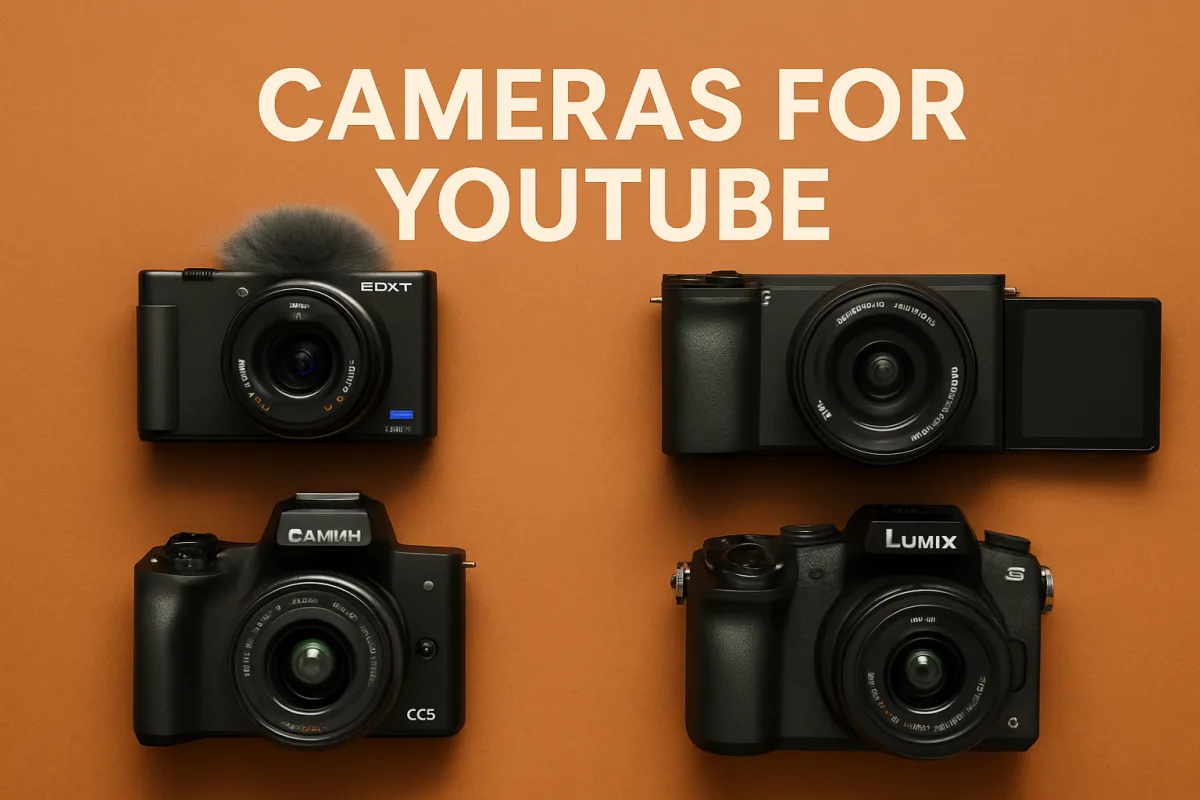
For YouTube beginners, the best cameras include the Canon EOS M50 Mark II, Sony ZV-1, and Panasonic Lumix G7. The Canon EOS M50 Mark II is ideal for vlogging, offering excellent autofocus and a flip-out screen. The Sony ZV-1 is compact and designed specifically for content creators, featuring a high-quality lens and built-in stabilization. The Panasonic Lumix G7 is a versatile mirrorless option with 4K video capabilities, making it great for both beginners and more advanced users. Each camera offers unique features tailored to different types of content creation.
Quick Summary
Choosing the right camera is crucial for YouTube beginners. Options like the Canon EOS M50 Mark II, Sony ZV-1, and Panasonic Lumix G7 cater to different needs, from vlogging to versatile shooting. This guide explores the best cameras for new creators, highlighting their standout features and suitability for various content styles.
Curator Notes
When starting a YouTube channel, selecting the right camera can significantly impact your content quality. The Canon EOS M50 Mark II is a popular choice among beginners due to its user-friendly interface and excellent autofocus system. Its flip-out screen is perfect for vlogging, allowing you to frame your shots easily while recording.
This camera also supports 4K video, although with a crop, which is a consideration for those focused on high-resolution content. The Sony ZV-1 is another excellent option, especially designed for vloggers and content creators. Its compact size makes it portable, while the built-in stabilization ensures smooth footage.
The camera features a fast lens and a microphone input, which enhances audio quality—an often overlooked aspect of video production. This makes it ideal for those who prioritize ease of use and high-quality output. Lastly, the Panasonic Lumix G7 offers a more versatile approach with its mirrorless design and 4K video capabilities.
It’s suitable for those who might want to explore different filming styles, from vlogging to cinematic shots. The interchangeable lenses provide flexibility, allowing users to adapt to various shooting conditions. Each of these cameras has its strengths, catering to different types of YouTube content creators.
Recommended Options
- Canon EOS M50 Mark II: Best for Vloggers and content creators seeking ease of use User-friendly with excellent autofocus and a flip-out screen Signal checked: Highly rated by users for its video quality and features Alternative to consider: Nikon Z50
- Sony ZV-1: Best for Vloggers looking for a compact, high-quality camera Designed specifically for content creators with built-in stabilization Signal checked: Popular among YouTubers for its portability and performance Alternative to consider: Canon G7X Mark III
- Panasonic Lumix G7: Best for Users wanting versatility and 4K video capabilities Interchangeable lenses and great video quality Signal checked: Well-reviewed for its flexibility in various shooting scenarios Alternative to consider: Fujifilm X-T200
Best Sources
Videos and Community Signals
There are so many reasons why I would choose this NEX-3N over an iPhone for professional and personal photography purposes ...
Want to get into content creation? I can help https://www.fulaancreative.com/game-plan/ My LUTs & Lightroom Profiles: ...
Comparison
| Decision Point | Good Starting Choice | When to Go Further |
|---|---|---|
| Ease of Use | Canon EOS M50 Mark II - Ideal for beginners with intuitive controls | Panasonic Lumix G7 - More complex but offers greater versatility |
| Portability | Sony ZV-1 - Compact and lightweight, perfect for on-the-go shooting | Canon EOS M50 Mark II - Slightly bulkier but still manageable |
| Video Quality | Canon EOS M50 Mark II - Good quality with 4K support | Panasonic Lumix G7 - Excellent 4K capabilities and image quality |
FAQ
The Canon EOS M50 Mark II is often recommended for its user-friendly features and excellent video quality.
Yes, using an external microphone can significantly improve audio quality, which is crucial for engaging content.
While 4K offers higher quality, many successful YouTube channels use 1080p. It depends on your content and audience.