Calorie Deficit Explained Simply
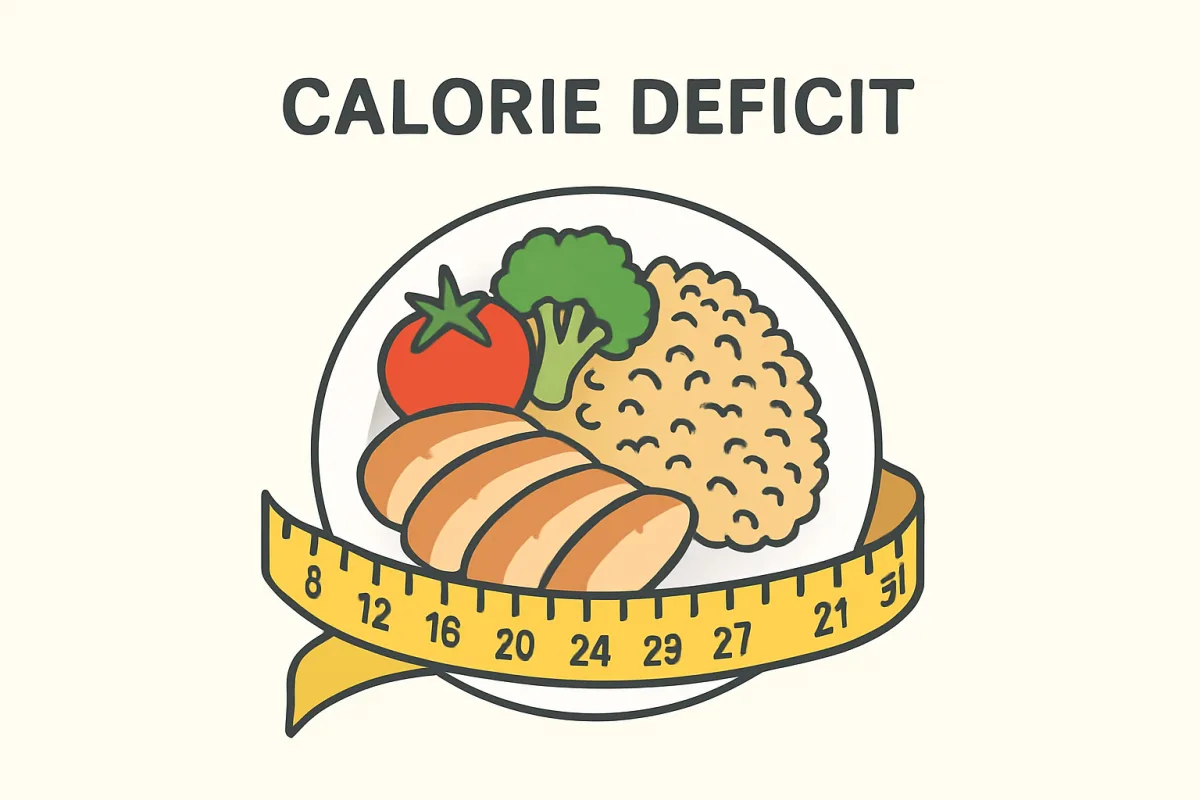
A calorie deficit occurs when you consume fewer calories than your body needs to maintain its current weight. This deficit forces your body to use stored fat for energy, leading to weight loss. To achieve a calorie deficit, you can either reduce your caloric intake, increase your physical activity, or a combination of both. Understanding this concept is crucial for effective weight management and achieving fitness goals.
Quick Summary
A calorie deficit is essential for weight loss, achieved by consuming fewer calories than your body expends. This process encourages the body to burn stored fat for energy. By adjusting diet and exercise, individuals can create a sustainable calorie deficit to meet their weight loss objectives.
Curator Notes
A calorie deficit is a fundamental principle in weight loss. It occurs when the number of calories you consume is less than the number of calories your body uses for energy. This can be achieved through dietary changes, such as reducing portion sizes or choosing lower-calorie foods, as well as increasing physical activity levels.
By creating a calorie deficit, the body turns to its fat stores for energy, resulting in weight loss over time. It's important to note that while a calorie deficit is necessary for weight loss, the quality of the calories consumed matters as well. A diet rich in whole foods, such as fruits, vegetables, lean proteins, and whole grains, can enhance overall health and support sustainable weight loss.
Additionally, extreme calorie deficits can lead to negative health effects, so it's advisable to aim for a moderate deficit that allows for gradual weight loss, typically 1-2 pounds per week.
Best Sources
Videos and Community Signals
Work with me https://go.alexsolomin.com/as-appform ▻Use my calorie calculator https://calculator.alexsolomin.com ▻Get my ...
Lose fat with me. It's free to try: https://www.studioera.co/fat-loss-program-trial Hey ladies! Here is a FULL break down of how to get ...
Comparison
| Decision Point | Good Starting Choice | When to Go Further |
|---|---|---|
| Online booking | A simple booking page with service duration, staff assignment and confirmation emails. | Multi-location calendars, deposits, cancellation rules and waitlist handling. |
| Client records | Basic notes, visit history and contact details are enough to start. | Segmentation, purchase history, memberships, forms and before-after notes become more important. |
| Reminders | SMS or email reminders help reduce no-shows without adding admin work. | Automated rebooking, follow-up campaigns and missed-appointment recovery matter more. |
| Payments | Card capture and checkout should be simple and transparent. | Packages, memberships, staff commissions, tips and refunds need cleaner reporting. |
| Marketing | Light email or SMS campaigns are useful if they are easy to run. | Automated win-back, birthday offers, review requests and audience segments create more leverage. |
FAQ
To create a calorie deficit, you should first determine your Total Daily Energy Expenditure (TDEE) using online calculators. A common approach is to reduce your caloric intake by 500-1000 calories per day to lose about 1-2 pounds per week.
Yes, you can enjoy your favorite foods in moderation while maintaining a calorie deficit. The key is to balance your overall caloric intake and ensure that you are still meeting your nutritional needs.
While exercise can help increase your caloric expenditure and make it easier to achieve a calorie deficit, it is not strictly necessary. You can create a calorie deficit through dietary changes alone.