Caloric Deficit for Fat Loss Explained
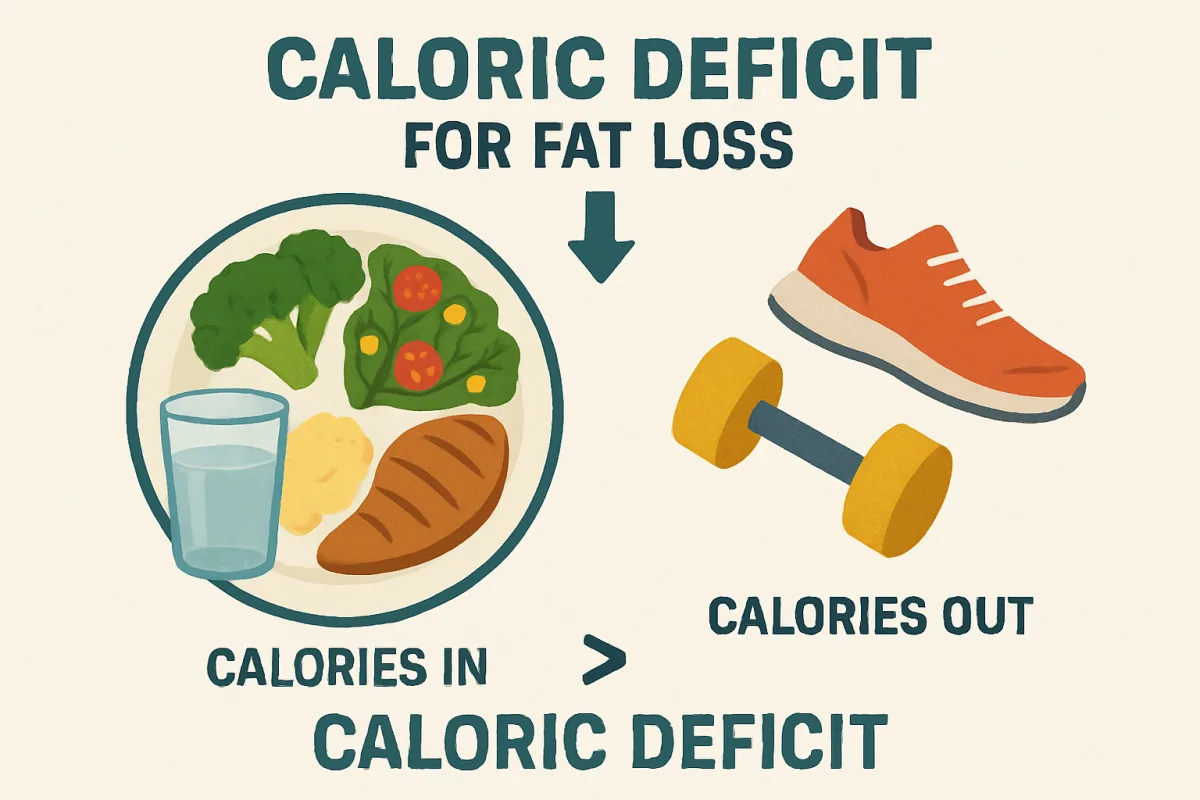
A caloric deficit occurs when you consume fewer calories than your body expends, leading to fat loss. This principle is fundamental for weight management and can be achieved through dietary changes, increased physical activity, or a combination of both. To effectively create a caloric deficit, it’s essential to monitor your daily caloric intake and expenditure, ensuring that the deficit is sustainable and healthy.
Quick Summary
Understanding caloric deficit is crucial for effective fat loss. It involves consuming fewer calories than your body uses, which can be achieved through diet and exercise. This guide explains how to create a caloric deficit safely and effectively.
Curator Notes
A caloric deficit is the cornerstone of any successful fat loss strategy. It occurs when the number of calories consumed through food and drink is less than the number of calories burned through daily activities and exercise. This deficit forces the body to utilize stored fat for energy, resulting in weight loss over time.
To create a caloric deficit, individuals can either reduce their caloric intake, increase their physical activity, or ideally, a combination of both. Tracking daily caloric intake using apps or food diaries can help maintain awareness of consumption levels. Additionally, incorporating regular exercise not only burns calories but also improves overall health and metabolism, making it easier to sustain a caloric deficit.
It's important to approach a caloric deficit cautiously. Extreme deficits can lead to muscle loss, nutritional deficiencies, and metabolic slowdown. A moderate deficit of 500 to 1000 calories per day is often recommended for safe and sustainable weight loss, equating to about 1-2 pounds of fat loss per week.
Always consult with a healthcare provider before making significant changes to diet or exercise routines.
Best Sources
Videos and Community Signals
How many calories should you cut to lose weight and keep it off? The ALL NEW RP Hypertrophy App: your ultimate guide to ...
Lose fat with me. It's free to try: https://www.studioera.co/fat-loss-program-trial Hey ladies! Here is a FULL break down of how to get ...
Comparison
| Decision Point | Good Starting Choice | When to Go Further |
|---|---|---|
| Caloric Intake Monitoring | Use a food diary or app for tracking | Consider consulting a nutritionist for personalized guidance |
| Exercise Frequency | Aim for 150 minutes of moderate exercise weekly | Incorporate strength training 2-3 times a week for optimal results |
| Sustainability of Deficit | Create a small deficit (250-500 calories) for gradual weight loss | Adjust caloric intake based on progress and energy levels |
FAQ
The number of calories varies by individual, but a common recommendation is to reduce intake by 500-1000 calories per day to lose 1-2 pounds per week.
Yes, weight loss can occur through dietary changes alone, but combining diet with exercise is more effective for overall health and maintaining muscle mass.
A moderate caloric deficit is generally safe for most people, but extreme deficits can lead to health issues. It's advisable to consult a healthcare professional.