Calisthenics for Beginners Explained
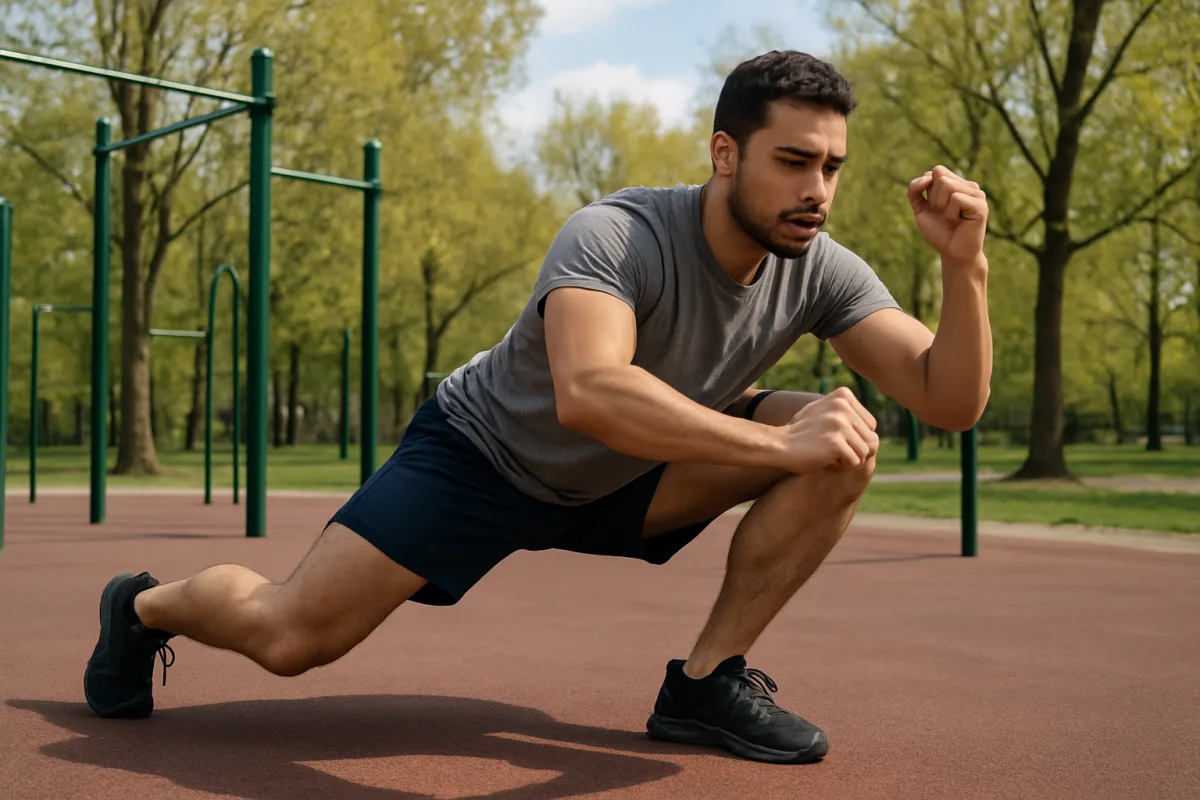
Calisthenics is a form of exercise that uses your body weight for resistance, making it accessible for beginners. Key movements include push-ups, pull-ups, squats, and planks. These exercises improve strength, flexibility, and endurance without the need for equipment, allowing for workouts anywhere. Beginners should focus on mastering form and gradually increasing repetitions. Starting with a structured routine, such as three sessions per week, can help build a solid foundation. It's essential to listen to your body and allow for recovery to avoid injury.
Quick Summary
Calisthenics offers a versatile and effective workout for beginners, relying on bodyweight exercises to build strength and flexibility. Key movements like push-ups and squats can be performed anywhere, making them convenient for all fitness levels. Beginners should prioritize proper form and gradually increase intensity. A structured routine, ideally three times a week, can enhance progress while ensuring adequate recovery. This approach not only improves physical fitness but also fosters discipline and consistency in training.
Curator Notes
Calisthenics is an excellent entry point for those new to fitness. By utilizing body weight as resistance, it eliminates the need for expensive gym memberships or equipment. Key exercises such as push-ups, pull-ups, and squats are foundational movements that engage multiple muscle groups, promoting overall strength and coordination.
These exercises can be modified to suit various fitness levels, making calisthenics highly adaptable for beginners. For those just starting, mastering the correct form is crucial. Poor technique can lead to injuries and hinder progress.
Beginners should focus on performing each movement slowly and with control, gradually increasing the number of repetitions as they become more comfortable. Incorporating a variety of exercises can also prevent boredom and keep motivation high. A structured workout routine is beneficial for beginners.
Aim for three sessions per week, allowing rest days in between to promote recovery. This schedule helps build a habit while giving muscles time to repair and grow stronger. As strength increases, beginners can explore more advanced variations of basic exercises, such as incline push-ups or assisted pull-ups.
Listening to your body is vital in any fitness journey. If you experience pain or discomfort, it’s essential to adjust your routine or consult a fitness professional. Recovery is just as important as the workouts themselves; incorporating stretching and mobility work can enhance flexibility and prevent injuries.
Community support can also play a significant role in a beginner's calisthenics journey. Online forums, social media groups, and local workout classes can provide encouragement and accountability. Engaging with others who share similar goals can make the process more enjoyable and less isolating.
Finally, tracking progress is a great way to stay motivated. Whether through a fitness app or a simple journal, noting improvements in strength, endurance, or even the number of repetitions can provide a sense of accomplishment. Celebrate small victories to maintain enthusiasm and commitment to the practice.
In summary, calisthenics is a practical and effective way for beginners to embark on their fitness journey. With a focus on form, a structured routine, and community support, anyone can develop a strong foundation in bodyweight training.
Best Sources
Videos and Community Signals
Beginner foundational strength workout for calisthenics (follow-along): https://youtu.be/s9zS9ZAMCAc?si=yHQ5D_L1qAPFflW_ ...
Want to build real strength, mobility, and body control without a gym? Start your day with this 5-minute full body calisthenics ...
Comparison
| Decision Point | Good Starting Choice | When to Go Further |
|---|---|---|
| Online booking | A simple booking page with service duration, staff assignment and confirmation emails. | Multi-location calendars, deposits, cancellation rules and waitlist handling. |
| Client records | Basic notes, visit history and contact details are enough to start. | Segmentation, purchase history, memberships, forms and before-after notes become more important. |
| Reminders | SMS or email reminders help reduce no-shows without adding admin work. | Automated rebooking, follow-up campaigns and missed-appointment recovery matter more. |
| Payments | Card capture and checkout should be simple and transparent. | Packages, memberships, staff commissions, tips and refunds need cleaner reporting. |
| Marketing | Light email or SMS campaigns are useful if they are easy to run. | Automated win-back, birthday offers, review requests and audience segments create more leverage. |
FAQ
Push-ups, squats, lunges, and planks are excellent starting exercises. They target major muscle groups and can be modified for different fitness levels.
Aim for three times a week, allowing rest days in between to promote recovery and muscle growth.
Yes, calisthenics can aid in weight loss by increasing muscle mass and boosting metabolism, especially when combined with a balanced diet.
No, calisthenics primarily uses body weight for resistance, making it accessible without any equipment.
You can track your progress by noting the number of repetitions, sets, and variations of exercises you can perform over time.