Business Deductions To Claim
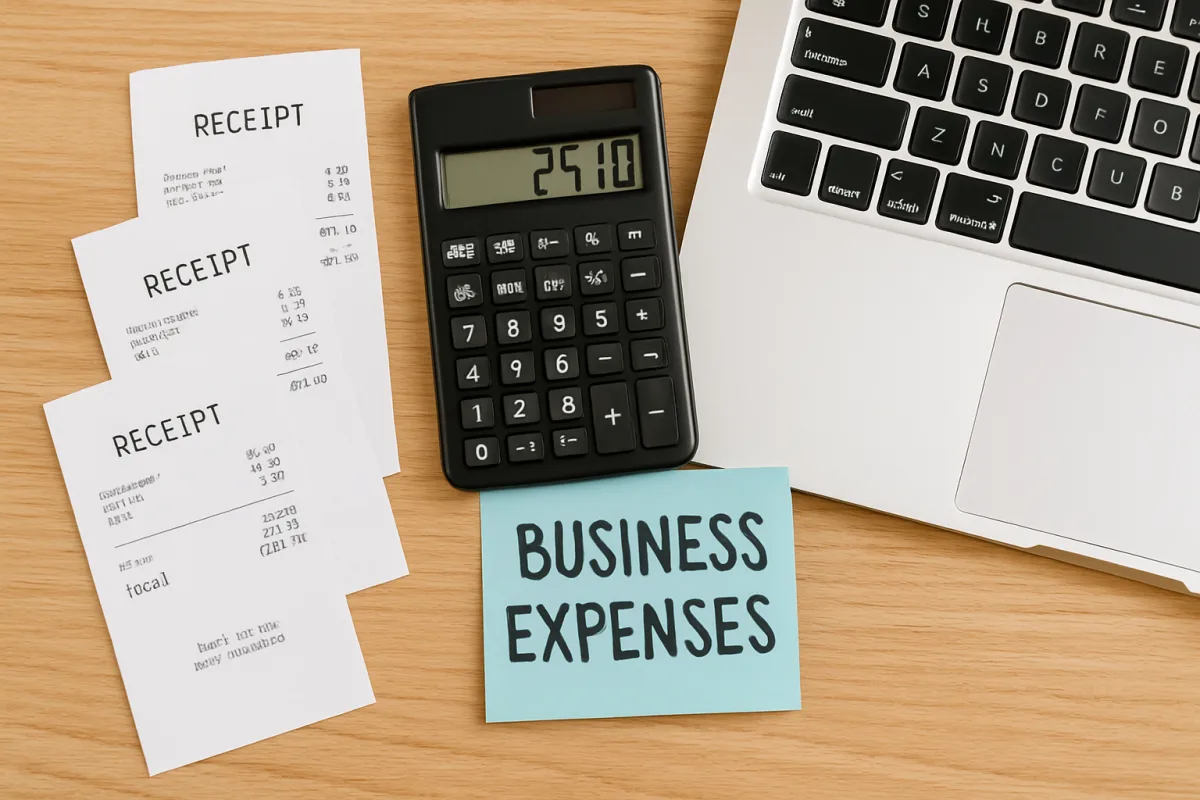
Business deductions can significantly reduce your taxable income, allowing you to keep more of your hard-earned money. Common deductions include expenses related to home office, travel, meals, and equipment. For small businesses, the IRS allows deductions for necessary and ordinary expenses, which can include advertising costs, employee wages, and even certain education expenses. Understanding which deductions apply to your business type is crucial, as it can vary widely. Consulting a tax professional can help ensure you're maximizing your deductions while remaining compliant with tax laws.
Quick Summary
Claiming business deductions is essential for reducing taxable income and enhancing cash flow. Key deductions include home office expenses, travel, meals, and equipment costs. Each deduction has specific eligibility criteria and limitations, making it vital to understand what applies to your business. Keeping meticulous records and consulting with a tax professional can help you navigate these deductions effectively. By leveraging available deductions, you can significantly improve your financial standing and invest more back into your business.
Curator Notes
Understanding business deductions is crucial for any entrepreneur looking to minimize tax liabilities. Deductions can encompass a wide range of expenses, from operational costs to specific investments in your business. For instance, if you operate from a home office, you can claim a portion of your home expenses, such as utilities and internet, proportional to the space used for business.
This can lead to substantial savings, especially for small business owners working from home. Travel expenses are another significant deduction. If you travel for business, you can deduct costs related to transportation, lodging, and meals.
However, it's important to keep accurate records and receipts to substantiate these claims. The IRS has specific guidelines on what constitutes a deductible travel expense, so familiarity with these rules is essential. Meals and entertainment expenses can also be deducted, but there are restrictions.
Generally, only 50% of meal costs can be deducted, and the meals must be directly related to business activities. This means that casual lunches with friends or family are not eligible. Understanding these nuances can help you avoid potential pitfalls during tax season.
Investments in equipment and supplies are another area where deductions can be maximized. The IRS allows businesses to deduct the cost of necessary equipment, such as computers and machinery, either through depreciation over time or as a Section 179 deduction, which allows for immediate expensing of certain assets. This can provide immediate tax relief and improve cash flow.
Education expenses related to your business can also be deductible. This includes courses, seminars, and workshops that enhance your skills or knowledge relevant to your business. However, the education must maintain or improve skills required in your current business, not qualify you for a new trade or business.
Finally, it’s important to keep meticulous records of all business-related expenses. This not only helps in claiming deductions but also serves as a safeguard in case of an audit. Utilizing accounting software can streamline this process, making it easier to track expenses and generate reports.
Consulting with a tax professional can provide tailored advice based on your specific business situation. They can help you navigate complex tax laws and ensure that you are taking full advantage of available deductions while remaining compliant with IRS regulations. This proactive approach can lead to significant savings and a healthier bottom line for your business.
Recommended Options
- Intuit QuickBooks: Best for Small to medium-sized businesses Offers comprehensive expense tracking and reporting features. Signal checked: Widely used with positive reviews for ease of use and functionality. Alternative to consider: FreshBooks for invoicing and expense tracking.
- Intuit TurboTax Business: Best for Business owners looking for an easy tax filing solution. Signal checked: High customer satisfaction ratings and extensive resources. Alternative to consider: H&R Block Business for more personalized support.
- Expensify: Best for Businesses needing to manage expenses efficiently. Automates receipt tracking and expense reporting. Signal checked: Popular among businesses for its mobile capabilities. Alternative to consider: Zoho Expense for a more budget-friendly option.
Best Sources
Videos and Community Signals
In today's video, I will tell you exactly how tax deductions work. If you are a business owner or someone responsible for filing taxes ...
Start eliminating debt for free with EveryDollar - https://ter.li/3w6nto Have a question for the show? Call 888-825-5225 ...
Comparison
| Decision Point | Good Starting Choice | When to Go Further |
|---|---|---|
| Expense Tracking | Manual tracking with spreadsheets. | Automated tracking with software like QuickBooks. |
| Tax Filing Support | Basic tax forms and instructions. | Comprehensive guidance with TurboTax Business. |
| Mobile Access | Desktop-only access. | Mobile apps for on-the-go expense tracking with Expensify. |
FAQ
You can deduct ordinary and necessary expenses related to your business, including home office, travel, meals, and equipment.
Yes, keeping detailed records and receipts is essential for substantiating your deductions.
Yes, but only 50% of the cost is deductible, and the meals must be directly related to business activities.